
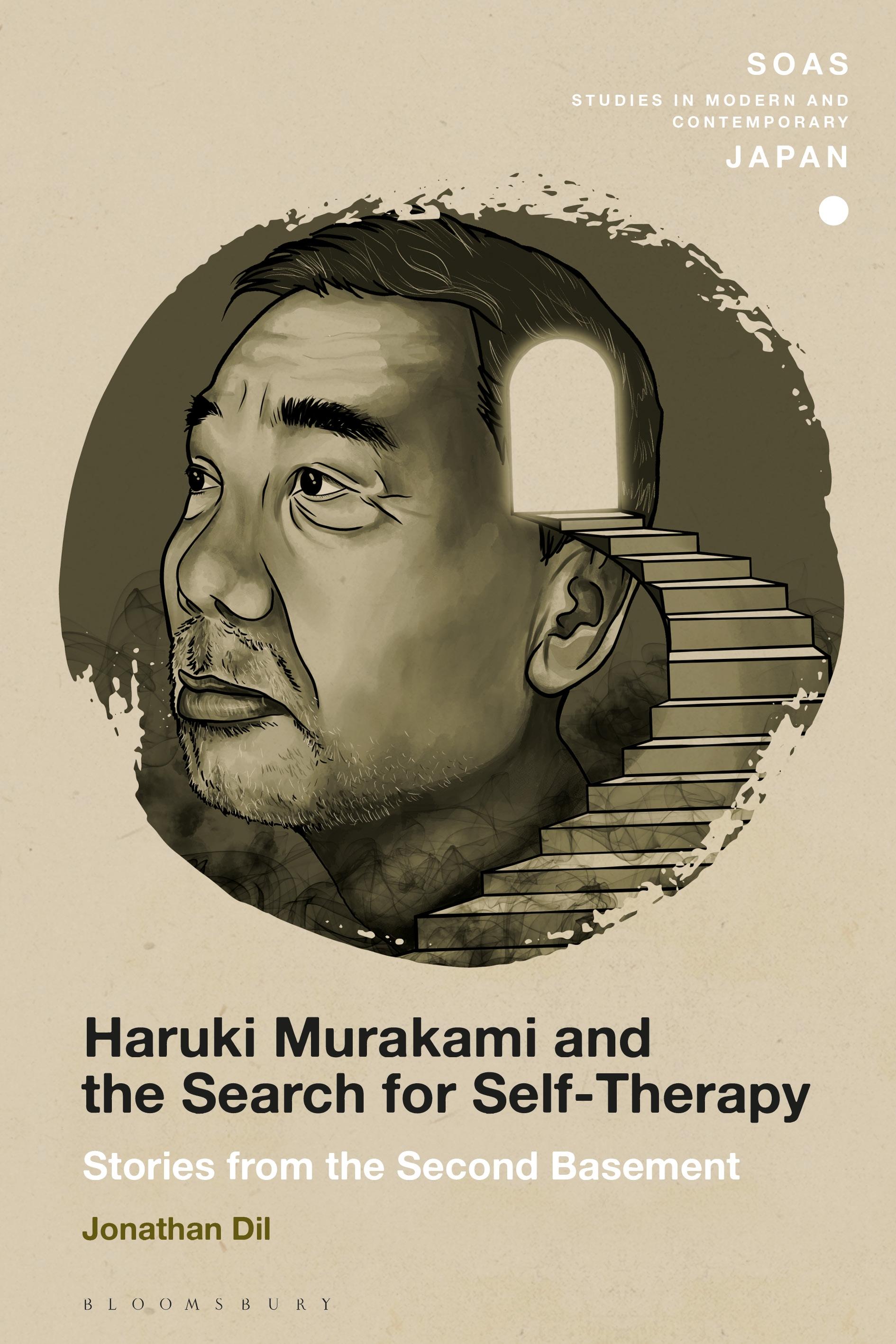
Haruki Murakami, a global literary phenomenon, has said that he started writing fiction as a means of self-therapy. What he has not discussed as much is what he needed self-therapy for. This book argues that by understanding more about why Murakami writes, and by linking this with the question of how he writes, readers can better understand what he writes. Murakami's fiction, in other words, can be read as a search for self-therapy.
In five chapters which explore Murakami's fourteen novels to date, this book argues that there are four prominent therapeutic threads woven through Murakami's fiction that can be traced back to his personal traumas - most notably Murakami's falling out with his late father and the death of a former girlfriend – and which have also transcended them in significant ways as they have been transformed into literary fiction. The first thread looks at the way melancholia must be worked through for mourning to occur and healing to happen; the second thread looks at how symbolic acts of sacrifice can help to heal intergenerational trauma; the third thread looks at the way people with avoidant attachment styles can begin to open themselves up to love again; the fourth thread looks at how individuation can manifest as a response to nihilism.
Meticulously researched and written with sensitivity, the result is a sophisticated exploration of Murakami's published novels as an evolving therapeutic project that will be of great value to all scholars of Japanese literature and culture.
In five chapters which explore Murakami's fourteen novels to date, this book argues that there are four prominent therapeutic threads woven through Murakami's fiction that can be traced back to his personal traumas - most notably Murakami's falling out with his late father and the death of a former girlfriend – and which have also transcended them in significant ways as they have been transformed into literary fiction. The first thread looks at the way melancholia must be worked through for mourning to occur and healing to happen; the second thread looks at how symbolic acts of sacrifice can help to heal intergenerational trauma; the third thread looks at the way people with avoidant attachment styles can begin to open themselves up to love again; the fourth thread looks at how individuation can manifest as a response to nihilism.
Meticulously researched and written with sensitivity, the result is a sophisticated exploration of Murakami's published novels as an evolving therapeutic project that will be of great value to all scholars of Japanese literature and culture.
Strony: 272
Kategoria: Litteraturvetenskap & Teori
e-ISBN: 9781350270565
Waga przesyłki: 1.2 kg
Wysyłka w ciągu: 1-2 dni
Płać wygodnie kartą, Klarną, Apple Pay lub Google Pay. Nie jesteś zadowolony? Zawsze masz 14-dniową gwarancję zwrotu pieniędzy. Więcej przeczytasz w naszych warunkach. Masz pytania? Napisz do nas na hello@memmo.org.
Memmo ułatwia naukę – gdziekolwiek jesteś na świecie. U nas znajdziesz podręczniki i sprytne narzędzia do nauki w jednym miejscu: streszczenia, quizy, podcasty i fiszki. A do tego Ted, Twój kumpel do nauki, który odpowie na wszystko, co Cię nurtuje. Ponad 50 000 studentów już tu się uczy – stworzone, byś uczył się szybciej i mniej stresował.