
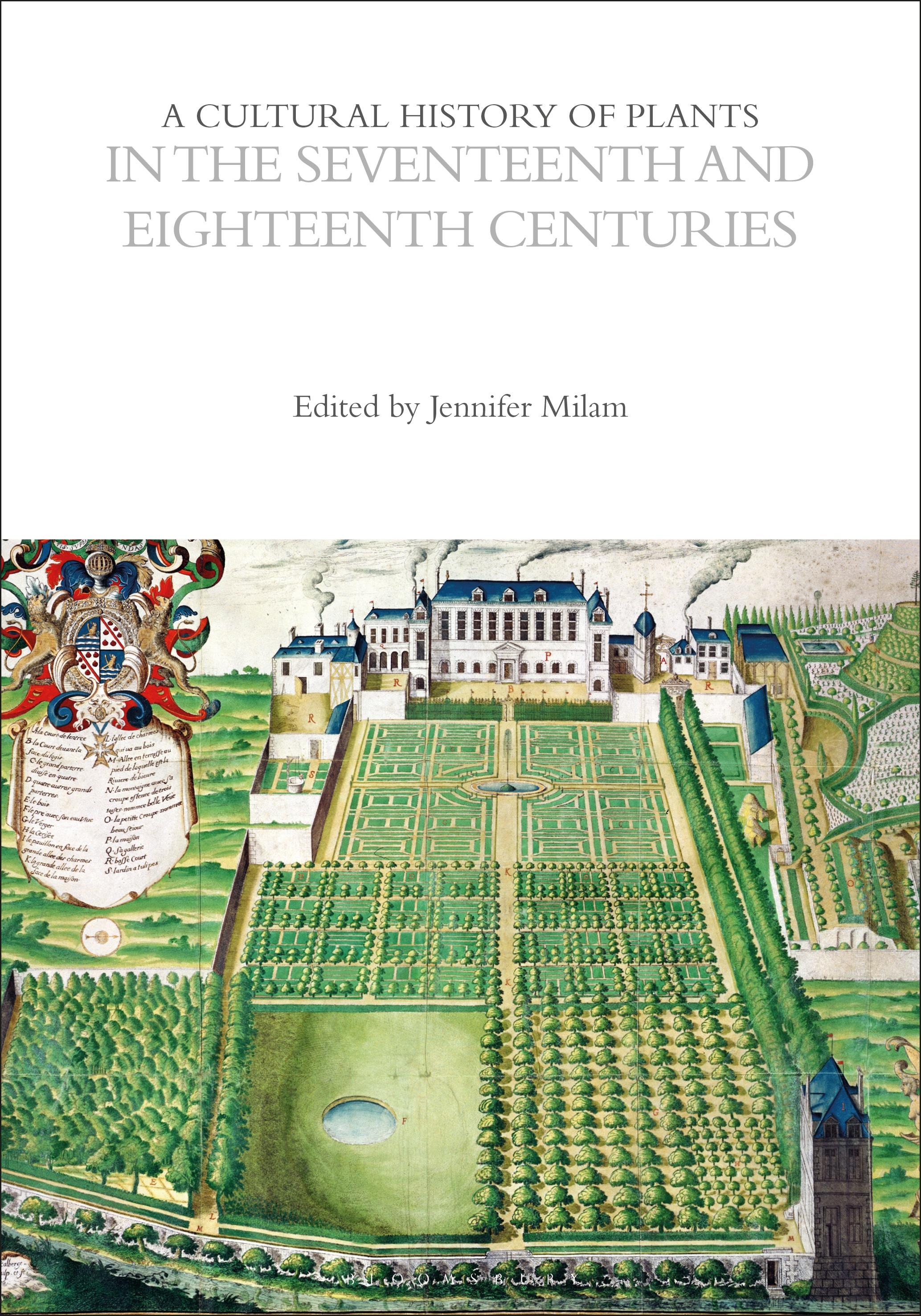
A Cultural History of Plants in the Seventeenth and Eighteenth Centuries covers the period from 1650 to 1800,a time of global exploration and the discovery of new species of plants and their potential uses. Trade routes were established which brought Europeans into direct contact with the plants and people of Asia, Oceania, Africa and the Americas. Foreign and exotic plants become objects of cultivation, collection, and display, whilst the applications of plants became central not only to naturalists, landowners, and gardeners but also to philosophers, artists, merchants, scientists, and rulers. As the Enlightenment took hold, the natural world became something to be grasped through reasoned understanding.
The 6 volume set of the Cultural History of Plants presents the first comprehensive history of the uses and meanings of plants from prehistory to today. The themes covered in each volume are plants as staple foods; plants as luxury foods; trade and exploration; plant technology and science; plants and medicine; plants in culture; plants as natural ornaments; the representation of plants.
Jennifer Milam is Pro Vice-Chancellor and Professor of Art History, University of Newcastle, Australia.
Volume 4 in the Cultural History of Plants set.
General Editors: Annette Giesecke, University of Delaware, USA, and David Mabberley, University of Oxford, UK.
The 6 volume set of the Cultural History of Plants presents the first comprehensive history of the uses and meanings of plants from prehistory to today. The themes covered in each volume are plants as staple foods; plants as luxury foods; trade and exploration; plant technology and science; plants and medicine; plants in culture; plants as natural ornaments; the representation of plants.
Jennifer Milam is Pro Vice-Chancellor and Professor of Art History, University of Newcastle, Australia.
Volume 4 in the Cultural History of Plants set.
General Editors: Annette Giesecke, University of Delaware, USA, and David Mabberley, University of Oxford, UK.
Płać wygodnie kartą, Klarną, Apple Pay lub Google Pay. Nie jesteś zadowolony? Zawsze masz 14-dniową gwarancję zwrotu pieniędzy. Więcej przeczytasz w naszych warunkach. Masz pytania? Napisz do nas na hello@memmo.org.
Memmo ułatwia naukę – gdziekolwiek jesteś na świecie. U nas znajdziesz podręczniki i sprytne narzędzia do nauki w jednym miejscu: streszczenia, quizy, podcasty i fiszki. A do tego Ted, Twój kumpel do nauki, który odpowie na wszystko, co Cię nurtuje. Ponad 50 000 studentów już tu się uczy – stworzone, byś uczył się szybciej i mniej stresował.