
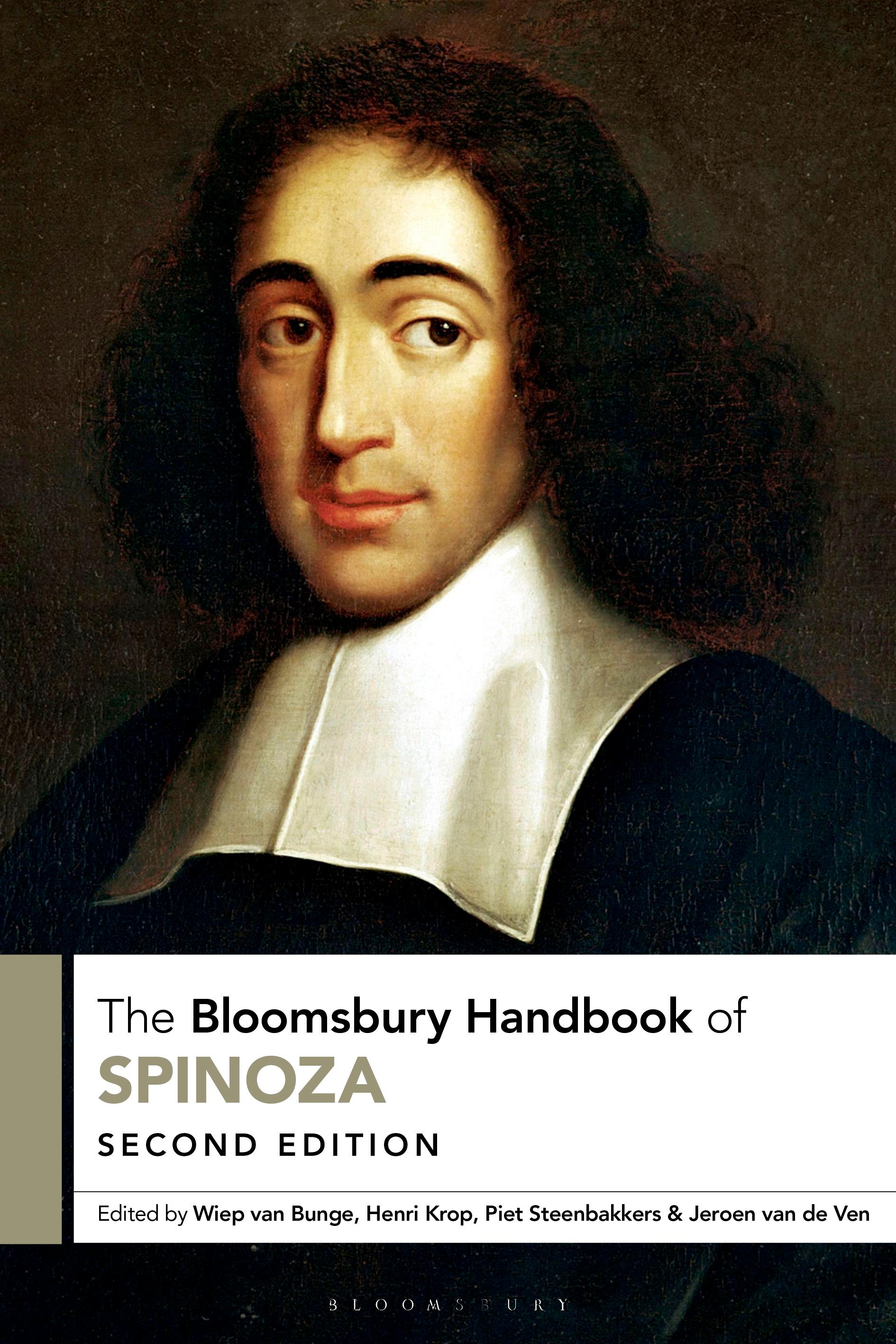
This 2nd edition Handbook of Spinoza retains a unique focus on the biographical details of Spinoza's life, as well as essential scholarship on his influences and early critics. A glossary of key Latin Spinozan terms with English translations remains a key feature alongside short synopses of Spinoza's writings. Adding to the updated contemporary scholarship on Spinoza from across Europe and the US is the recognition of Spinoza's influence more globally.
Distinct from other reference works on Spinoza, this book offers the tools and methodology necessary for students and scholars who are completing their own research. Accompanying each main section is an updated and detailed bibliography that situates both the summative and original scholarship therein. This 2nd edition includes a revised biography from Jeroen van de Ven who has systematically revisited the archive; influences will now include reference to Machiavelli and Hobbes primarily, as well as remarks on the De La Court brothers, La Perèyre, and Delmedigo. A new entry on the critic, Willem van Blijenbergh, alongside a reconstruction of dozens of letters now lost from Spinoza consolidates new directions of study which are supported by additional glossary terms on Axioma (cf. Ordo geometricus), Definitio (ibid.), Excommunicare, Lumen, Methodus, Negatio, Pax, Ratio, (Cf. Cognitio), Scientia intuitiva, and Tempus amongst others.
Maintaining an approach that is refreshingly independent of the historicist/analytic/continental divide, this work features scholars from across these traditions, and remains an essential point of reference for students and scholars alike.
Distinct from other reference works on Spinoza, this book offers the tools and methodology necessary for students and scholars who are completing their own research. Accompanying each main section is an updated and detailed bibliography that situates both the summative and original scholarship therein. This 2nd edition includes a revised biography from Jeroen van de Ven who has systematically revisited the archive; influences will now include reference to Machiavelli and Hobbes primarily, as well as remarks on the De La Court brothers, La Perèyre, and Delmedigo. A new entry on the critic, Willem van Blijenbergh, alongside a reconstruction of dozens of letters now lost from Spinoza consolidates new directions of study which are supported by additional glossary terms on Axioma (cf. Ordo geometricus), Definitio (ibid.), Excommunicare, Lumen, Methodus, Negatio, Pax, Ratio, (Cf. Cognitio), Scientia intuitiva, and Tempus amongst others.
Maintaining an approach that is refreshingly independent of the historicist/analytic/continental divide, this work features scholars from across these traditions, and remains an essential point of reference for students and scholars alike.
Płać wygodnie kartą, Klarną, Apple Pay lub Google Pay. Nie jesteś zadowolony? Zawsze masz 14-dniową gwarancję zwrotu pieniędzy. Więcej przeczytasz w naszych warunkach. Masz pytania? Napisz do nas na hello@memmo.org.
Memmo ułatwia naukę – gdziekolwiek jesteś na świecie. U nas znajdziesz podręczniki i sprytne narzędzia do nauki w jednym miejscu: streszczenia, quizy, podcasty i fiszki. A do tego Ted, Twój kumpel do nauki, który odpowie na wszystko, co Cię nurtuje. Ponad 50 000 studentów już tu się uczy – stworzone, byś uczył się szybciej i mniej stresował.