
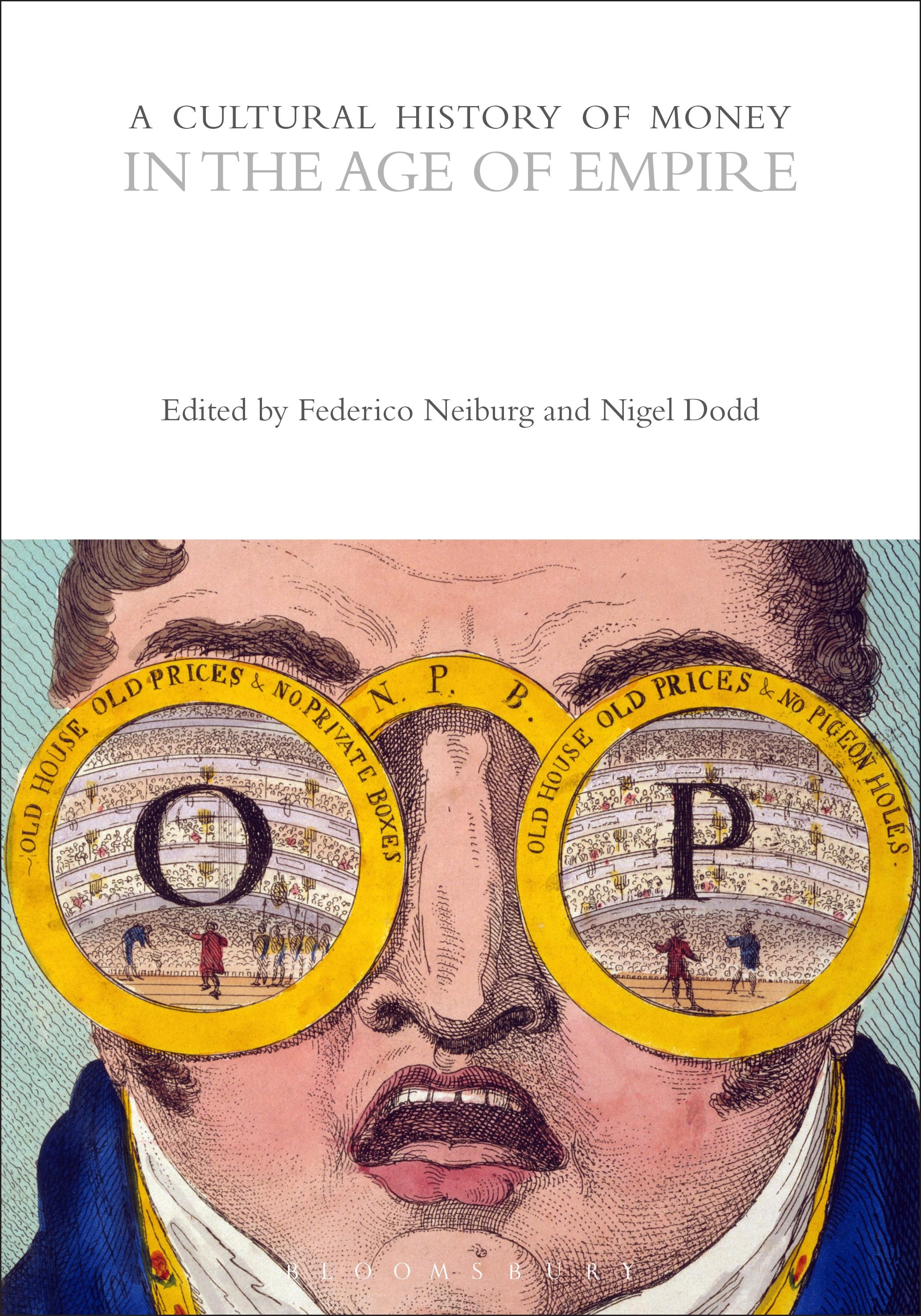
The nineteenth century was a time of intense monetization of social life: increasingly money became the only means of access to goods and services, especially in the new metropolises; new technologies and infrastructures emerged for saving and circulating money and for standardizing coinage; and paper currencies were printed, founded purely on trust without any intrinsic metallic value. But the monetary landscape was ambivalent so that the forces unifying monetary practice (imperial and national currencies, global monetary standards such as the gold standard) coexisted with the proliferation of local currencies. Money became a central issue in politics, the arts, and sciences - and the modern discipline of economics was born, with its claim to a monopoly on knowing and governing money.
Drawing upon a wealth of visual and textual sources, A Cultural History of Money in the Age of Empire presents essays that examine key cultural case studies of the period on the themes of technologies, ideas, ritual and religion, the everyday, art and representation, interpretation, and the issues of the age.
Drawing upon a wealth of visual and textual sources, A Cultural History of Money in the Age of Empire presents essays that examine key cultural case studies of the period on the themes of technologies, ideas, ritual and religion, the everyday, art and representation, interpretation, and the issues of the age.
Płać wygodnie kartą, Klarną, Apple Pay lub Google Pay. Nie jesteś zadowolony? Zawsze masz 14-dniową gwarancję zwrotu pieniędzy. Więcej przeczytasz w naszych warunkach. Masz pytania? Napisz do nas na hello@memmo.org.
Memmo ułatwia naukę – gdziekolwiek jesteś na świecie. U nas znajdziesz podręczniki i sprytne narzędzia do nauki w jednym miejscu: streszczenia, quizy, podcasty i fiszki. A do tego Ted, Twój kumpel do nauki, który odpowie na wszystko, co Cię nurtuje. Ponad 50 000 studentów już tu się uczy – stworzone, byś uczył się szybciej i mniej stresował.