
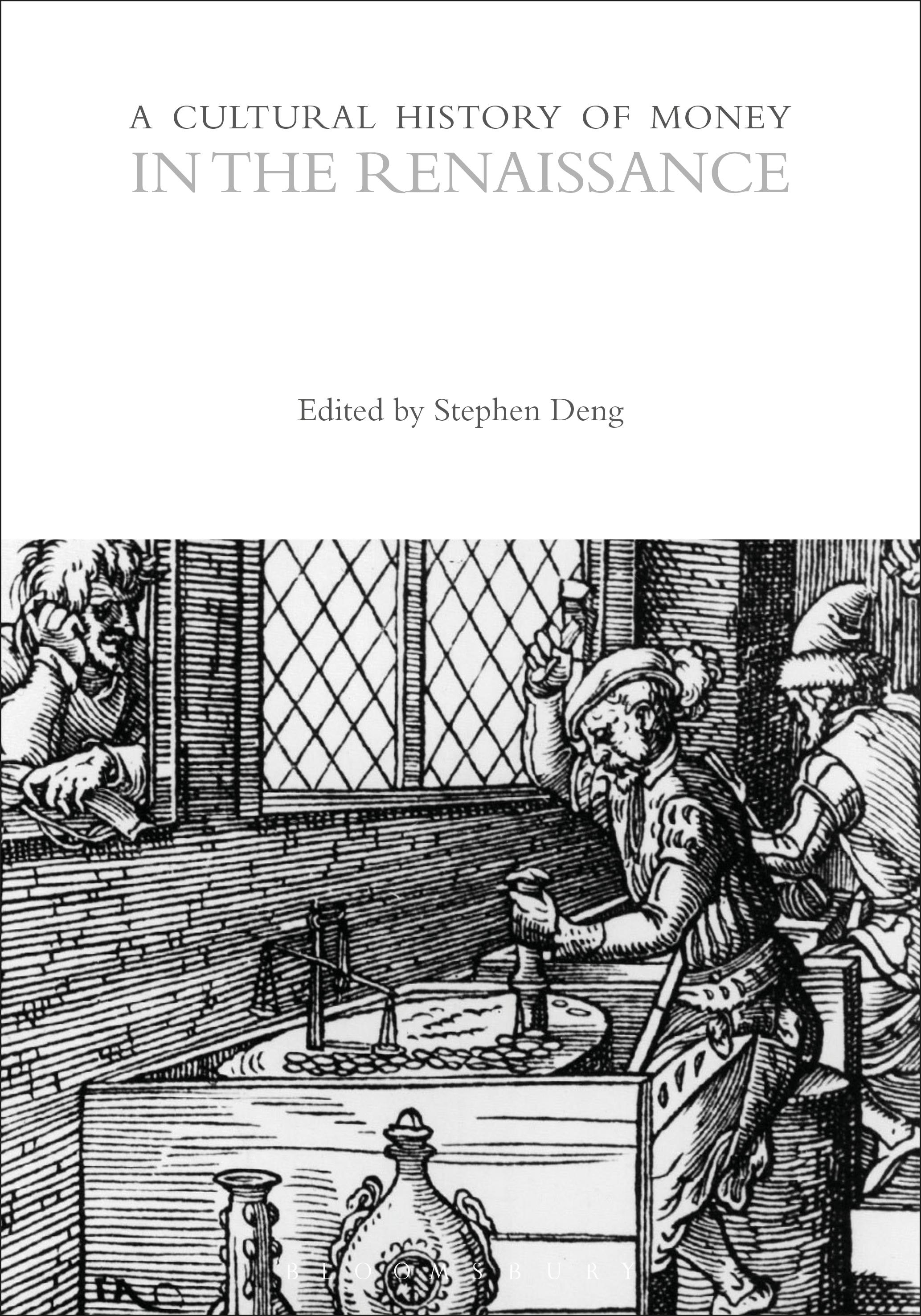
In a time before large banking systems, and with paper money just in its infancy, money during the Renaissance meant coinage (mainly gold and silver) and local credit systems. These monetary forms had a significant influence on the ways in which money was understood throughout the period, and shaped discussions on such topics as the meaning of monetary value, the economic, political, religious, and aesthetic uses of coinage, the moral implications of usury and credit systems, and the importance of reputation, both at the state and individual levels. Crucial to the transformation of ideas about money in the period was the growing awareness that the individuals, up to and including the monarch, were powerless to overcome the market forces that determined value and directed the movement of goods and money.
Drawing upon a wealth of visual and textual sources, A Cultural History of Money in the Renaissance presents essays that examine key cultural case studies of the period on the themes of technologies, ideas, ritual and religion, the everyday, art and representation, interpretation, and the issues of the age.
Drawing upon a wealth of visual and textual sources, A Cultural History of Money in the Renaissance presents essays that examine key cultural case studies of the period on the themes of technologies, ideas, ritual and religion, the everyday, art and representation, interpretation, and the issues of the age.
Płać wygodnie kartą, Klarną, Apple Pay lub Google Pay. Nie jesteś zadowolony? Zawsze masz 14-dniową gwarancję zwrotu pieniędzy. Więcej przeczytasz w naszych warunkach. Masz pytania? Napisz do nas na hello@memmo.org.
Memmo ułatwia naukę – gdziekolwiek jesteś na świecie. U nas znajdziesz podręczniki i sprytne narzędzia do nauki w jednym miejscu: streszczenia, quizy, podcasty i fiszki. A do tego Ted, Twój kumpel do nauki, który odpowie na wszystko, co Cię nurtuje. Ponad 50 000 studentów już tu się uczy – stworzone, byś uczył się szybciej i mniej stresował.