
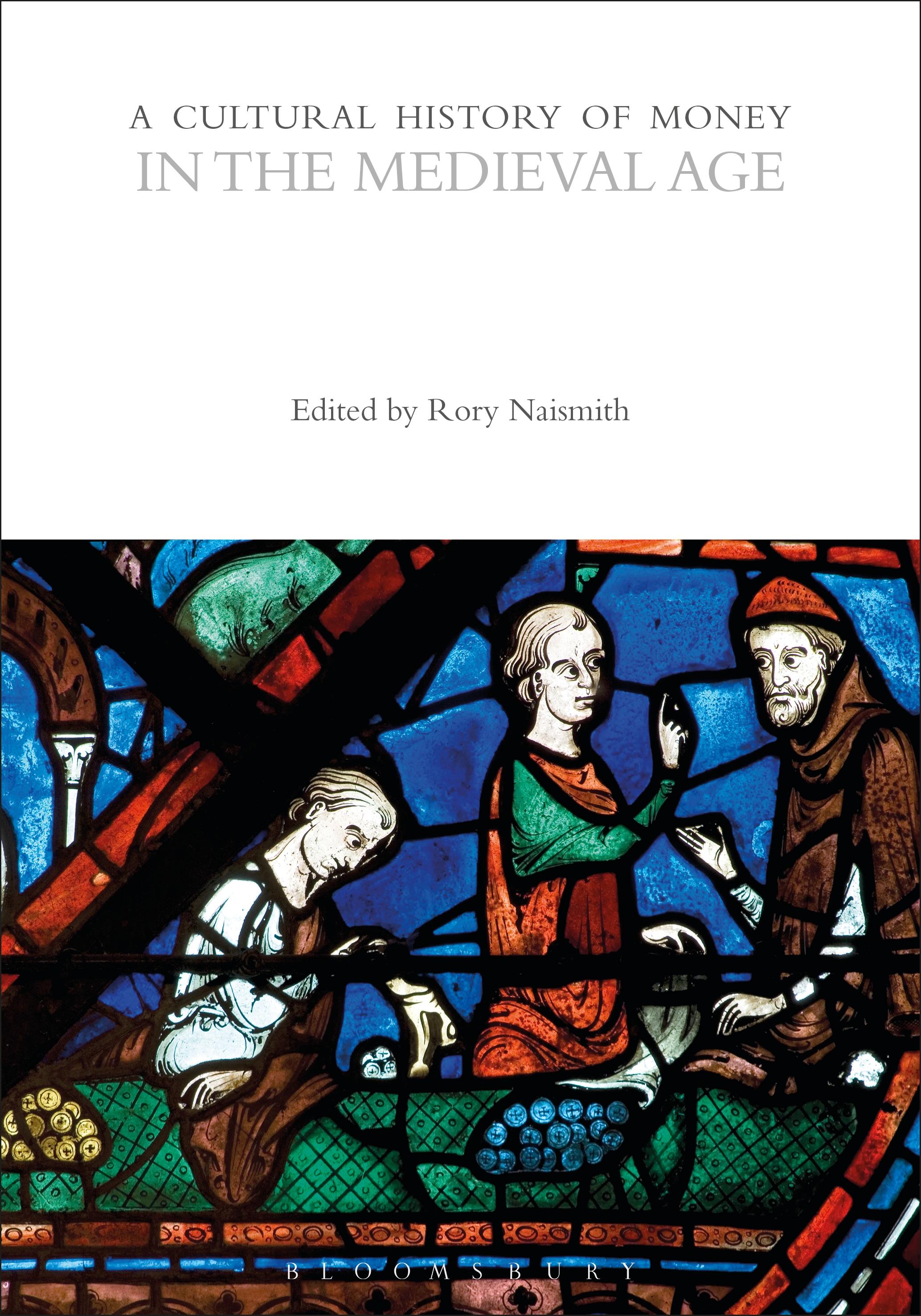
Money provides a unique and illuminating perspective on the Middle Ages. In much of medieval Europe the central meaning of money was a prescribed unit of precious metal but in practice precious metal did not necessarily change hands and indeed coinage was very often in short supply. Money had economic, institutional, social, and cultural dimensions which developed the legacy of antiquity and set the scene for modern developments including the rise of capitalism and finance as well as a moralized discourse on the proper and improper uses of money. In its many forms - coin, metal, commodity, and concept - money played a central role in shaping the character of medieval society and, in turn, offers a vivid reflection of the distinctive features of medieval civilization.
Drawing upon a wealth of visual and textual sources, A Cultural History of Money in the Medieval Age presents essays that examine key cultural case studies of the period on the themes of technologies, ideas, ritual and religion, the everyday, art and representation, interpretation, and the issues of the age.
Drawing upon a wealth of visual and textual sources, A Cultural History of Money in the Medieval Age presents essays that examine key cultural case studies of the period on the themes of technologies, ideas, ritual and religion, the everyday, art and representation, interpretation, and the issues of the age.
Płać wygodnie kartą, Klarną, Apple Pay lub Google Pay. Nie jesteś zadowolony? Zawsze masz 14-dniową gwarancję zwrotu pieniędzy. Więcej przeczytasz w naszych warunkach. Masz pytania? Napisz do nas na hello@memmo.org.
Memmo ułatwia naukę – gdziekolwiek jesteś na świecie. U nas znajdziesz podręczniki i sprytne narzędzia do nauki w jednym miejscu: streszczenia, quizy, podcasty i fiszki. A do tego Ted, Twój kumpel do nauki, który odpowie na wszystko, co Cię nurtuje. Ponad 50 000 studentów już tu się uczy – stworzone, byś uczył się szybciej i mniej stresował.