
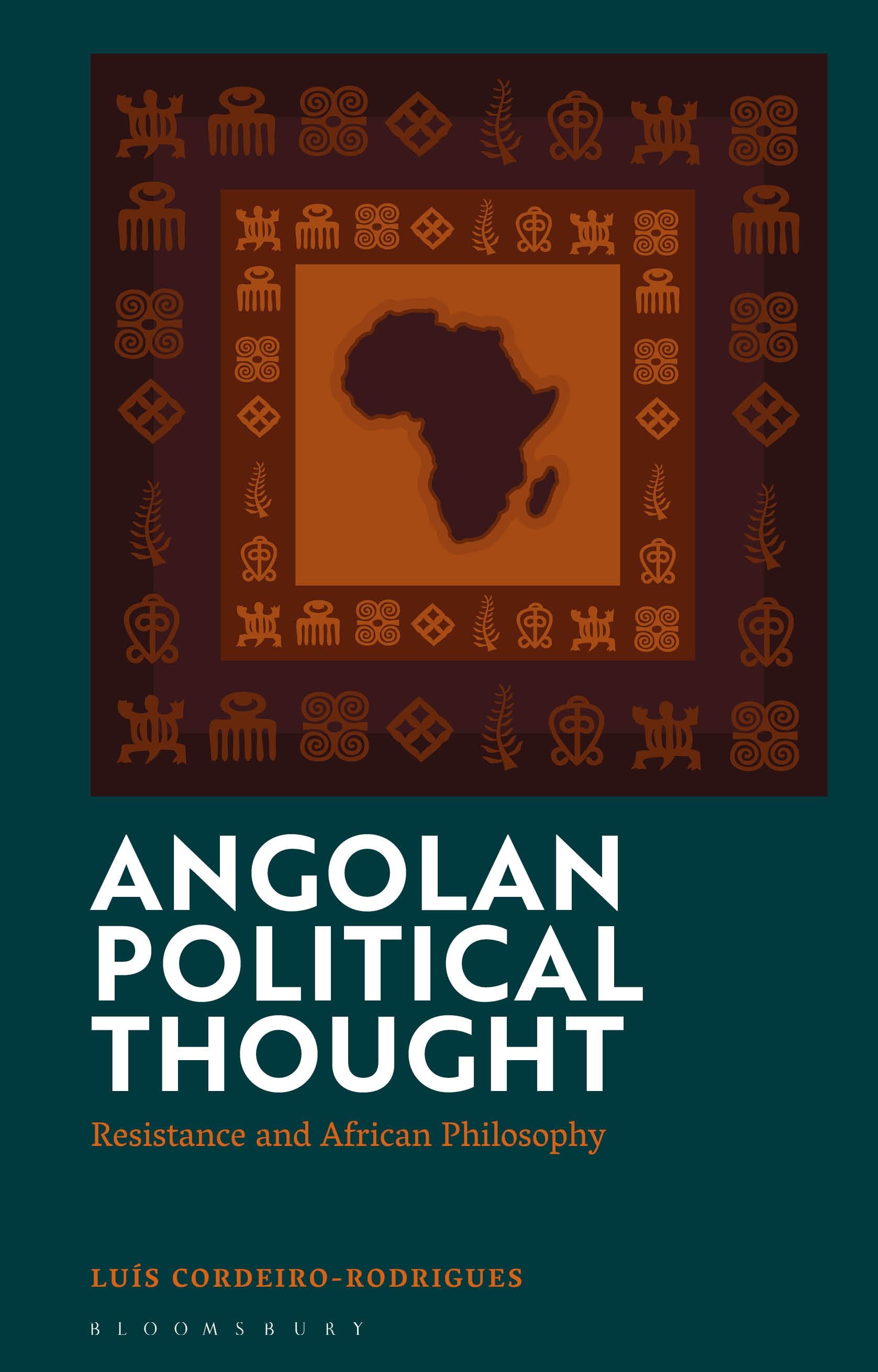
Angolan Political Thought introduces anticolonial thinkers whose writings on colonialism and liberation have been instrumental in the formation of Angolan identity. It focuses on the political nature of these thinkers and how their work has impacted Angolan political reality.
Luís Cordeiro-Rodrigues both introduces and critically analyzes the thought of Queen Njinga, Mário Pinto de Andrade, Agostinho Neto and Pepetela and systematically addresses five important topics in Angolan political thought. Firstly, it gives a general introduction to African political philosophy and explains the place of Angolan political thought in this. Secondly, it explains how different Angolan thinkers have conceptualized colonialism and its effects on the global Black community. Thirdly, the book surveys what key Angolan thinkers have identified as legitimate and effective tools of liberation and resistance from colonialism. For example, it addresses the place of poetry for liberation, as well as the justification for war against colonial powers. Fourth, this book will explain the different theories that Africa and, in particular, African identity, consists of. Finally, it will look at Angolan theories of distributive justice and compensation for historical injustices.
Luís Cordeiro-Rodrigues both introduces and critically analyzes the thought of Queen Njinga, Mário Pinto de Andrade, Agostinho Neto and Pepetela and systematically addresses five important topics in Angolan political thought. Firstly, it gives a general introduction to African political philosophy and explains the place of Angolan political thought in this. Secondly, it explains how different Angolan thinkers have conceptualized colonialism and its effects on the global Black community. Thirdly, the book surveys what key Angolan thinkers have identified as legitimate and effective tools of liberation and resistance from colonialism. For example, it addresses the place of poetry for liberation, as well as the justification for war against colonial powers. Fourth, this book will explain the different theories that Africa and, in particular, African identity, consists of. Finally, it will look at Angolan theories of distributive justice and compensation for historical injustices.
Strony: 216
Kategoria: Statsvetenskap & Politik
e-ISBN: 9781350245426
Waga przesyłki: 1.2 kg
Wysyłka w ciągu: 1-2 dni
Płać wygodnie kartą, Klarną, Apple Pay lub Google Pay. Nie jesteś zadowolony? Zawsze masz 14-dniową gwarancję zwrotu pieniędzy. Więcej przeczytasz w naszych warunkach. Masz pytania? Napisz do nas na hello@memmo.org.
Memmo ułatwia naukę – gdziekolwiek jesteś na świecie. U nas znajdziesz podręczniki i sprytne narzędzia do nauki w jednym miejscu: streszczenia, quizy, podcasty i fiszki. A do tego Ted, Twój kumpel do nauki, który odpowie na wszystko, co Cię nurtuje. Ponad 50 000 studentów już tu się uczy – stworzone, byś uczył się szybciej i mniej stresował.