
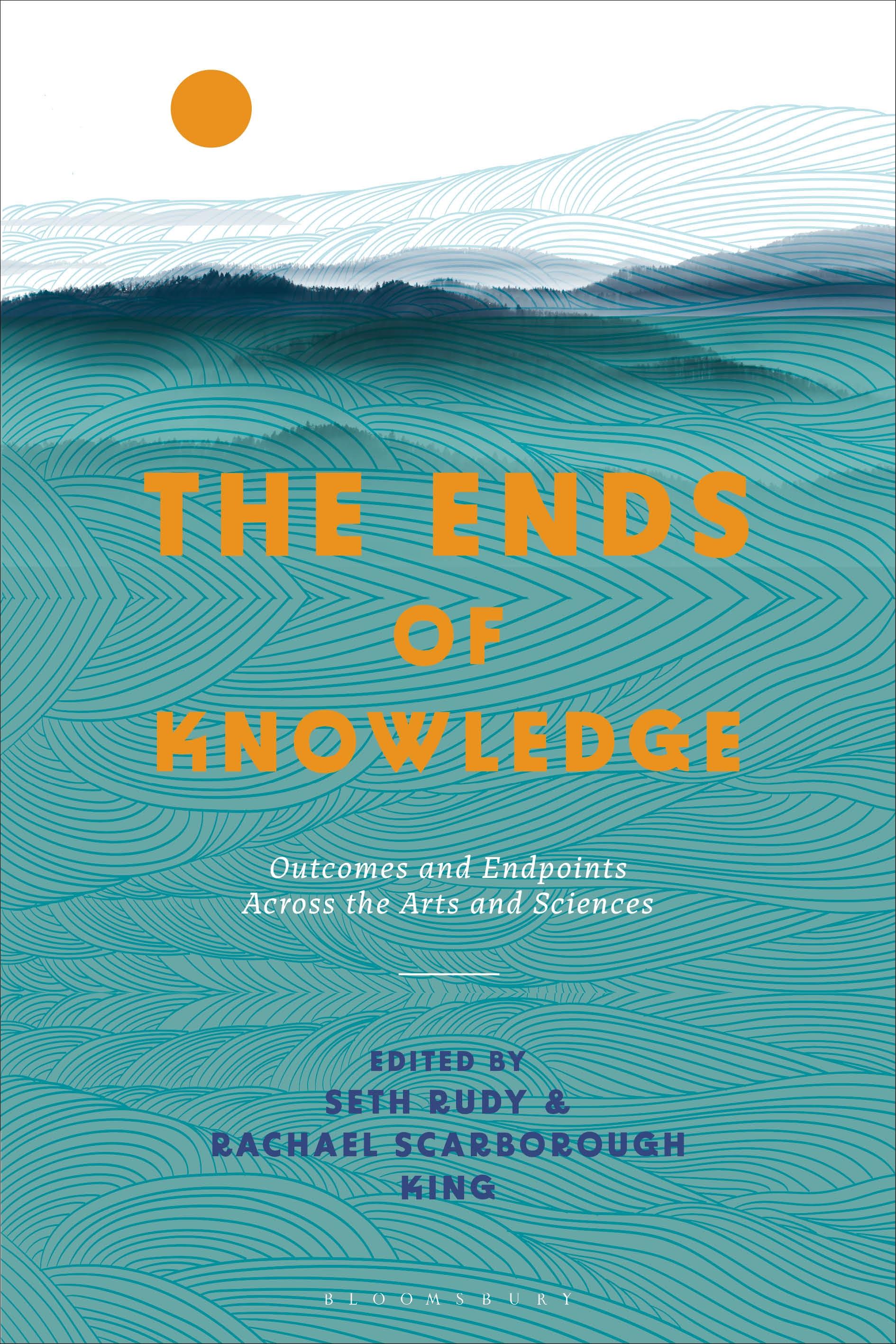
Bringing together an exciting group of knowledge workers, scholars and activists from across fields, this book revisits a foundational question of the Enlightenment: what is “the last or furthest end of knowledge”? It is a book about why we do what we do, and how we might know when we are done.
In the reorganization of knowledge that characterized the Enlightenment, disciplines were conceived as having particular “ends,” both in terms of purposes and end-points. As we experience an ongoing shift to the knowledge economy of the Information Age, this collection asks whether we still conceptualize knowledge in this way. Does an individual discipline have both an inherent purpose and a natural endpoint? What do an experiment on a fruit fly, a reading of a poem, and the writing of a line of code have in common?
Focusing on areas as diverse as AI; biology; Black studies; literary studies; physics; political activism; and the concept of disciplinarity itself, contributors uncover a life after disciplinarity for subjects that face immediate threats to the structure if not the substance of their contributions. These essays – whether reflective, historical, eulogistic, or polemical – chart a vital and necessary course towards the reorganization of knowledge production as a whole.
In the reorganization of knowledge that characterized the Enlightenment, disciplines were conceived as having particular “ends,” both in terms of purposes and end-points. As we experience an ongoing shift to the knowledge economy of the Information Age, this collection asks whether we still conceptualize knowledge in this way. Does an individual discipline have both an inherent purpose and a natural endpoint? What do an experiment on a fruit fly, a reading of a poem, and the writing of a line of code have in common?
Focusing on areas as diverse as AI; biology; Black studies; literary studies; physics; political activism; and the concept of disciplinarity itself, contributors uncover a life after disciplinarity for subjects that face immediate threats to the structure if not the substance of their contributions. These essays – whether reflective, historical, eulogistic, or polemical – chart a vital and necessary course towards the reorganization of knowledge production as a whole.
Płać wygodnie kartą, Klarną, Apple Pay lub Google Pay. Nie jesteś zadowolony? Zawsze masz 14-dniową gwarancję zwrotu pieniędzy. Więcej przeczytasz w naszych warunkach. Masz pytania? Napisz do nas na hello@memmo.org.
Memmo ułatwia naukę – gdziekolwiek jesteś na świecie. U nas znajdziesz podręczniki i sprytne narzędzia do nauki w jednym miejscu: streszczenia, quizy, podcasty i fiszki. A do tego Ted, Twój kumpel do nauki, który odpowie na wszystko, co Cię nurtuje. Ponad 50 000 studentów już tu się uczy – stworzone, byś uczył się szybciej i mniej stresował.