
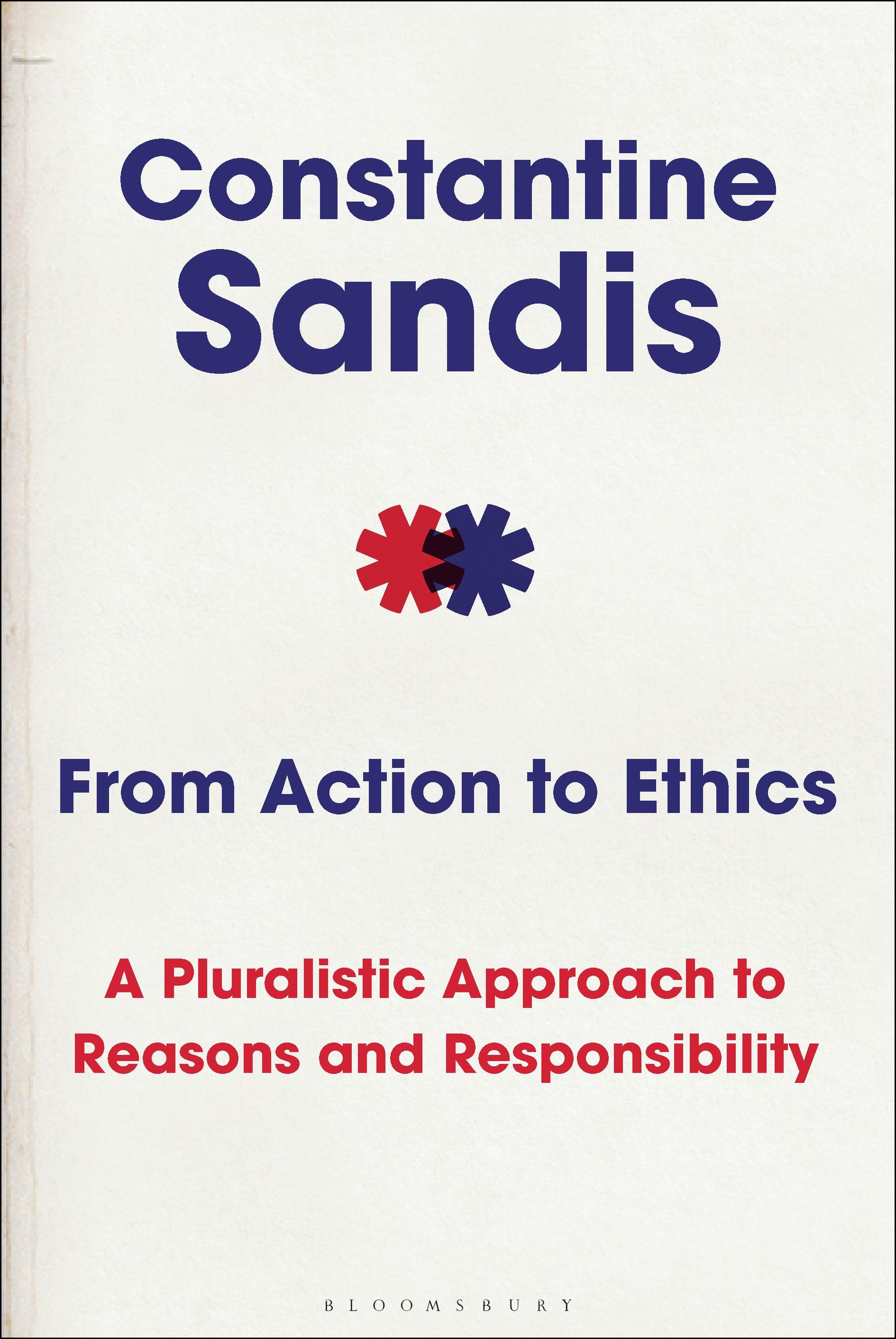
Over the course of the last 15 years, Constantine Sandis has advanced our understanding of the role that action plays in shaping our moral thought. In this collection of his best essays in the philosophy of action, Sandis brings together updated versions of his writings, accompanied by a new introduction. Read collectively they demonstrate the breadth of his interests and ability to relate to broader issues within the culture, connecting debates in philosophical psychology about motivation, negligence, and moral responsibility with Greek tragedy, social psychology and literature.
Along this path from action to ethics, Sandis engages with Hegel, Wittgenstein, Anscombe, Ricoeur, Davidson, and Dretske, together with contemporary authors such as Jennifer Hornsby and Jonathan Dancy. As he responds to each thinker and theme, he develops his own philosophical position, the key thesis of which is that philosophy of action without ethics is empty, ethics without philosophy of action is blind.
Along this path from action to ethics, Sandis engages with Hegel, Wittgenstein, Anscombe, Ricoeur, Davidson, and Dretske, together with contemporary authors such as Jennifer Hornsby and Jonathan Dancy. As he responds to each thinker and theme, he develops his own philosophical position, the key thesis of which is that philosophy of action without ethics is empty, ethics without philosophy of action is blind.
Płać wygodnie kartą, Klarną, Apple Pay lub Google Pay. Nie jesteś zadowolony? Zawsze masz 14-dniową gwarancję zwrotu pieniędzy. Więcej przeczytasz w naszych warunkach. Masz pytania? Napisz do nas na hello@memmo.org.
Memmo ułatwia naukę – gdziekolwiek jesteś na świecie. U nas znajdziesz podręczniki i sprytne narzędzia do nauki w jednym miejscu: streszczenia, quizy, podcasty i fiszki. A do tego Ted, Twój kumpel do nauki, który odpowie na wszystko, co Cię nurtuje. Ponad 50 000 studentów już tu się uczy – stworzone, byś uczył się szybciej i mniej stresował.