
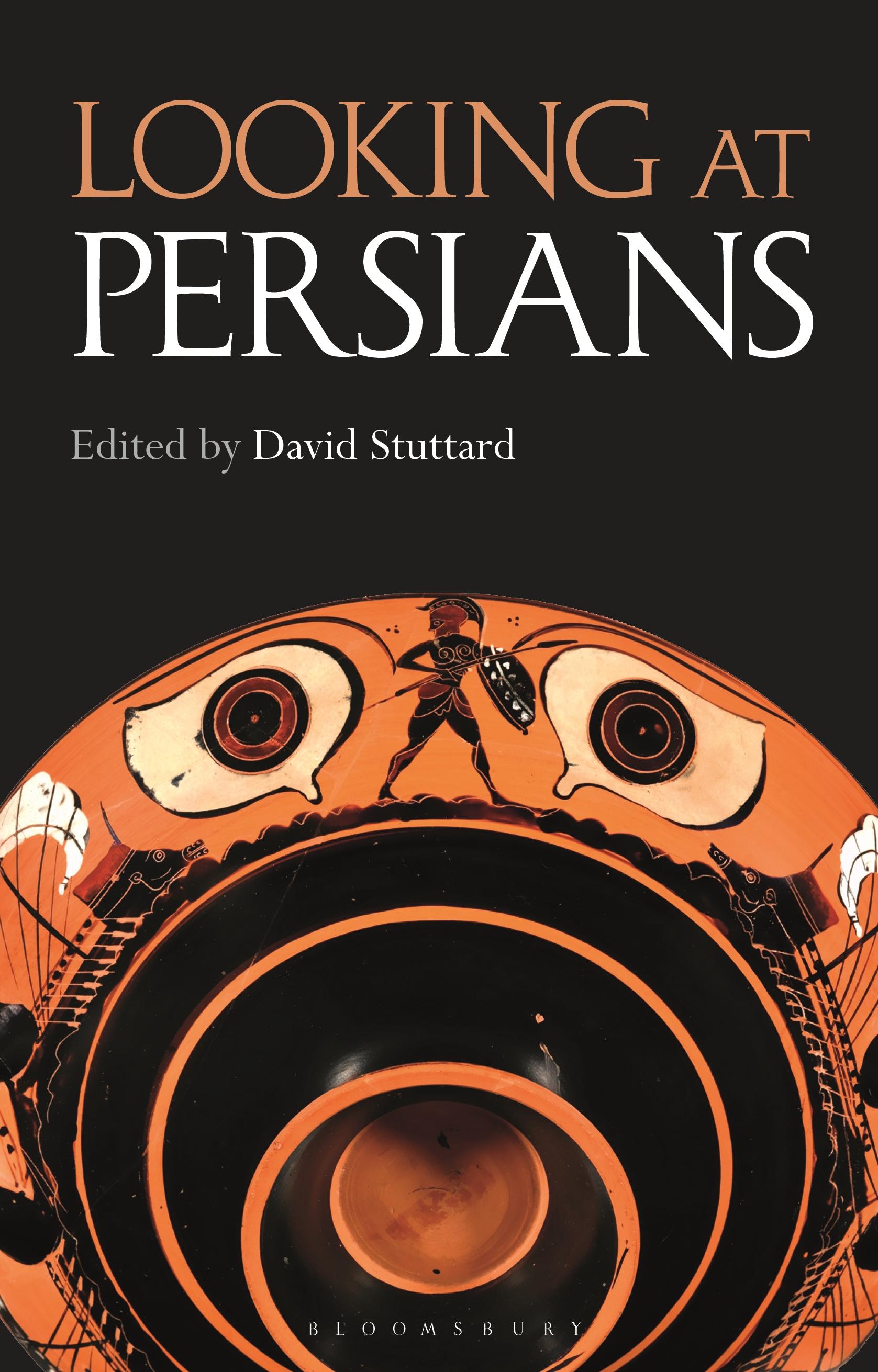
Aeschylus' Persians is unique in being the only extant Greek tragedy on an historical subject: Greece's victory in 480 BC over the great Persian King, Xerxes, eight years before the play was written and first performed in 472 BC. Looking at Persians examines how Aeschylus responded to such a turning point in Athenian history and how his audience may have reacted to his play. As well as considering the play's relationship with earlier lost tragedies and discussing its central themes, including war, nature and the value of human life, the volume considers how Persians may have been staged in fifth-century Athens and how it has been performed today.
The twelve essays presented here are written by prominent international academics and offer insightful analyses of the play from the perspectives of performance, history and society. Intended for readers ranging from school students and undergraduates to teachers and those interested in drama (including practitioners), this volume also includes an accurate, accessible and performance-friendly English translation of Persians by David Stuttard.
The twelve essays presented here are written by prominent international academics and offer insightful analyses of the play from the perspectives of performance, history and society. Intended for readers ranging from school students and undergraduates to teachers and those interested in drama (including practitioners), this volume also includes an accurate, accessible and performance-friendly English translation of Persians by David Stuttard.
Płać wygodnie kartą, Klarną, Apple Pay lub Google Pay. Nie jesteś zadowolony? Zawsze masz 14-dniową gwarancję zwrotu pieniędzy. Więcej przeczytasz w naszych warunkach. Masz pytania? Napisz do nas na hello@memmo.org.
Memmo ułatwia naukę – gdziekolwiek jesteś na świecie. U nas znajdziesz podręczniki i sprytne narzędzia do nauki w jednym miejscu: streszczenia, quizy, podcasty i fiszki. A do tego Ted, Twój kumpel do nauki, który odpowie na wszystko, co Cię nurtuje. Ponad 50 000 studentów już tu się uczy – stworzone, byś uczył się szybciej i mniej stresował.