
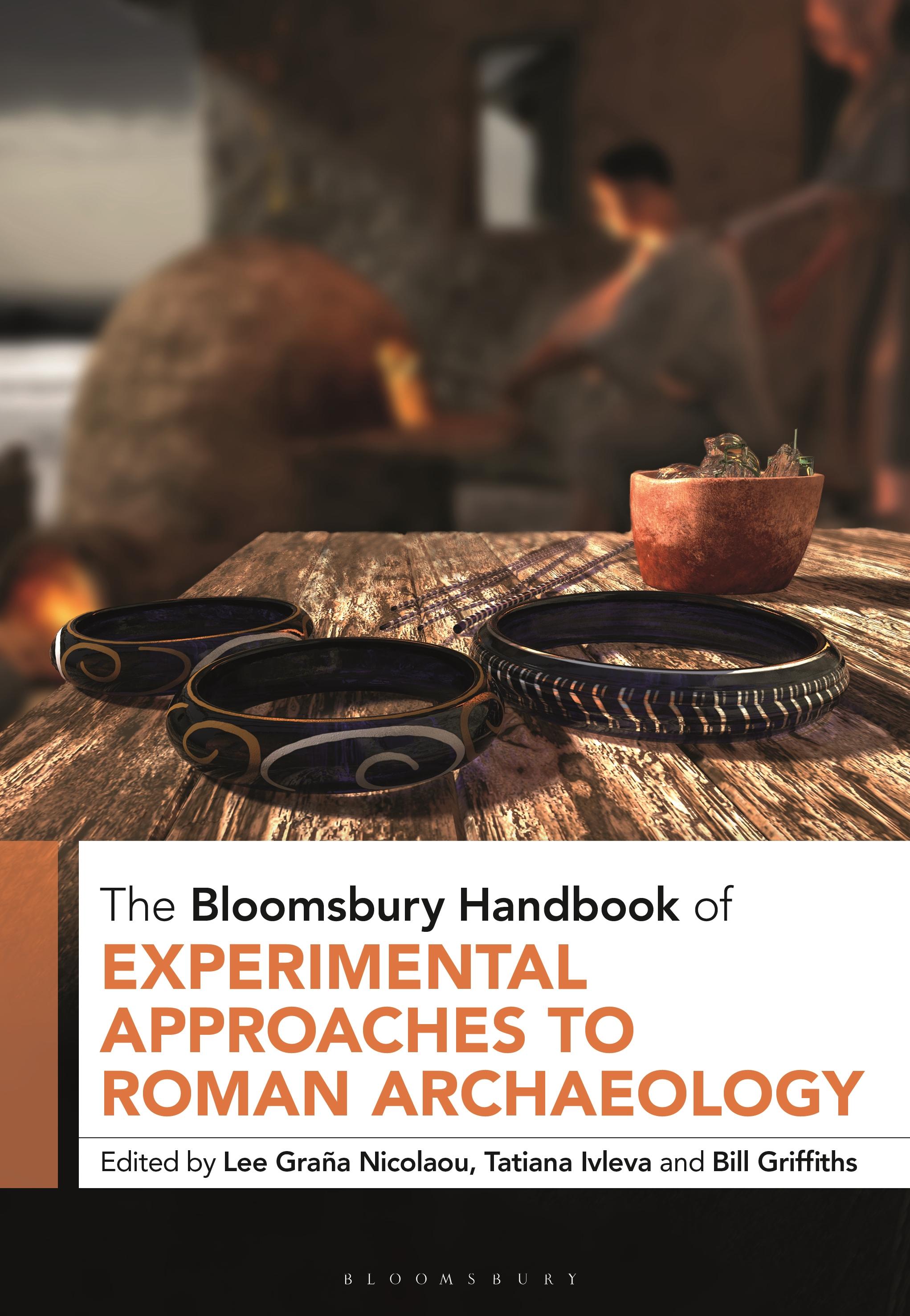
This volume is the first comprehensive overview of Roman experimental archaeology, exploring its key themes, methodologies and applications through a diverse array of international case studies. Experiments, simulations and reconstructions are important methods for understanding the past, from uncovering how ancient objects and structures were made, used, destroyed, deposited and affected underground, to illuminating the experiences of tasting ancient foods, fighting alongside comrades or living in replicated structures. Although the incorporation of experimentation has had great success in prehistoric studies, greater reliance on the wealth of literary and material sources remaining from the classical period has meant that its potential for Roman studies has yet to be fully realised.
The 26 chapters in this book are divided into 5 thematic parts, each of which opens with a contextualizing introduction that frames the detailed case studies found in individual chapters and showcases the actual and potential diversity of experimentation as applied to the Roman past by scholars, re-enactors, and practitioners in the heritage sector. In laying out a detailed guide to Roman experimental archaeology, the volume as a whole maps its past, present and future, and provides a firm foundation for further practical research and collaboration. In doing so, it reasserts that experiments and reconstructions are a significant resource for testing or developing theories, rather than merely artistic replicas, and that the vast amount of quantifiable data they yield can be invaluable in support of interpretations of relevant archaeological or historical evidence, regardless of the period in question and beyond the confines of academia.
The 26 chapters in this book are divided into 5 thematic parts, each of which opens with a contextualizing introduction that frames the detailed case studies found in individual chapters and showcases the actual and potential diversity of experimentation as applied to the Roman past by scholars, re-enactors, and practitioners in the heritage sector. In laying out a detailed guide to Roman experimental archaeology, the volume as a whole maps its past, present and future, and provides a firm foundation for further practical research and collaboration. In doing so, it reasserts that experiments and reconstructions are a significant resource for testing or developing theories, rather than merely artistic replicas, and that the vast amount of quantifiable data they yield can be invaluable in support of interpretations of relevant archaeological or historical evidence, regardless of the period in question and beyond the confines of academia.
Płać wygodnie kartą, Klarną, Apple Pay lub Google Pay. Nie jesteś zadowolony? Zawsze masz 14-dniową gwarancję zwrotu pieniędzy. Więcej przeczytasz w naszych warunkach. Masz pytania? Napisz do nas na hello@memmo.org.
Memmo ułatwia naukę – gdziekolwiek jesteś na świecie. U nas znajdziesz podręczniki i sprytne narzędzia do nauki w jednym miejscu: streszczenia, quizy, podcasty i fiszki. A do tego Ted, Twój kumpel do nauki, który odpowie na wszystko, co Cię nurtuje. Ponad 50 000 studentów już tu się uczy – stworzone, byś uczył się szybciej i mniej stresował.