
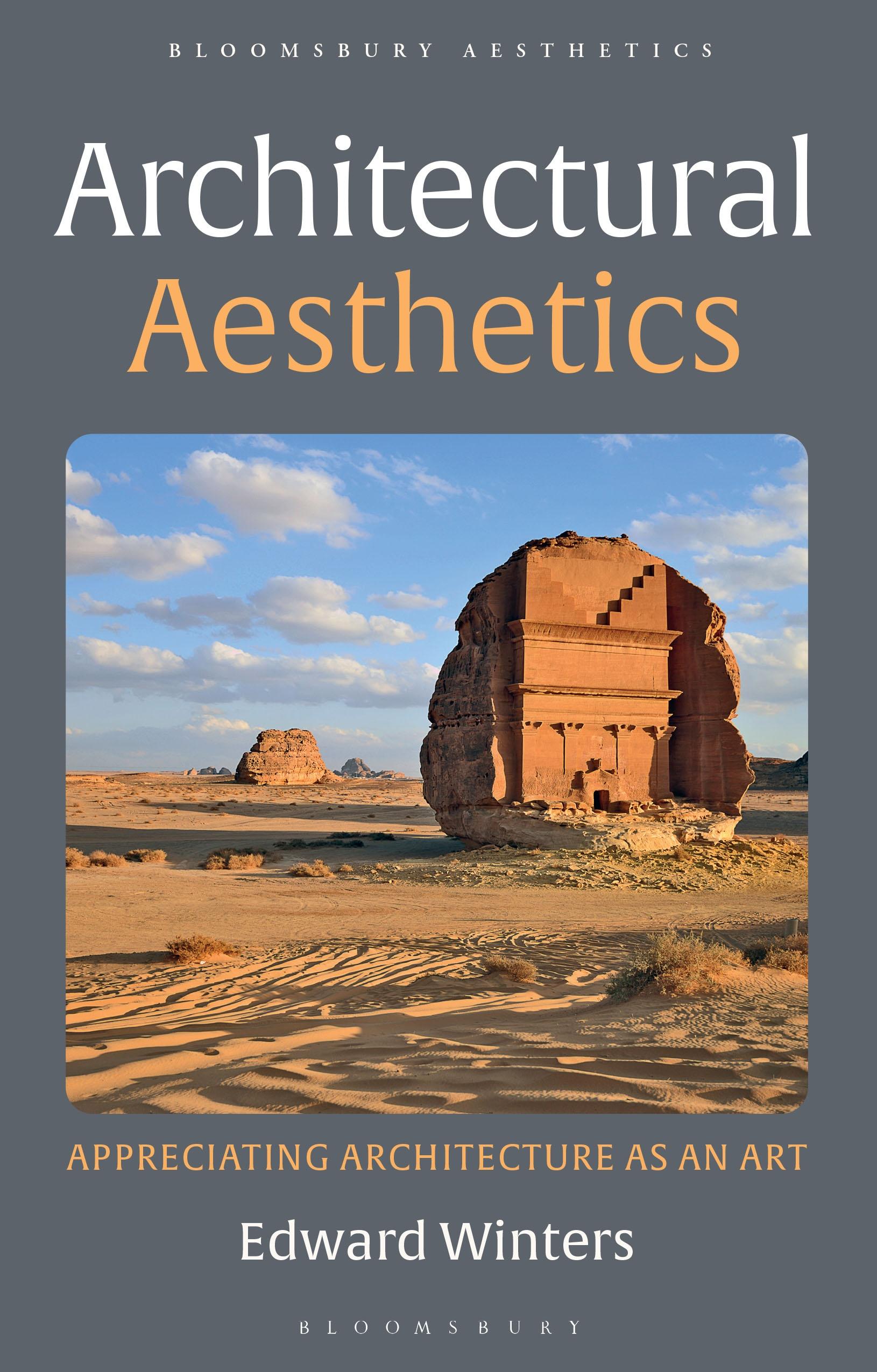
The fine arts are traditionally seen to have intrinsic value: that is, they are valuable in themselves. But this poses a problem for architecture: its works are designed to serve our purposes, and therefore it is classed as functional. Carving out a new space, Edward Winters argues why architecture is a fine art and finds a place for the fine art of architecture in the cultural environment in which we structure our lives.
Winters reconciles intrinsic value, as a fine art, with extrinsic value, as shelter, security and comfort, without collapsing into the modernist conception of Functionalism. He draws on the Apollonian and the Dionysian to resolve the apparent conflict between the two values: the former requiring contemplative, detached reflection, the latter an engaged, embodied entanglement with the festive mood inspired by the immediate situation. Architecture, Winters claims, is to be regarded as functional; but this functionality is subsumed under the intrinsic aesthetic value of living well.
Introducing the main positions in the philosophy of architecture through the lens of the timeless argument about what constitutes art, Winters lays out a humanistic view of the medium and extends our understanding of aesthetics and the everyday.
Winters reconciles intrinsic value, as a fine art, with extrinsic value, as shelter, security and comfort, without collapsing into the modernist conception of Functionalism. He draws on the Apollonian and the Dionysian to resolve the apparent conflict between the two values: the former requiring contemplative, detached reflection, the latter an engaged, embodied entanglement with the festive mood inspired by the immediate situation. Architecture, Winters claims, is to be regarded as functional; but this functionality is subsumed under the intrinsic aesthetic value of living well.
Introducing the main positions in the philosophy of architecture through the lens of the timeless argument about what constitutes art, Winters lays out a humanistic view of the medium and extends our understanding of aesthetics and the everyday.
Strony: 232
Kategoria: Arkitektur & Stadsplanering
e-ISBN: 9781350211025
Waga przesyłki: 1.2 kg
Wysyłka w ciągu: 1-2 dni
Płać wygodnie kartą, Klarną, Apple Pay lub Google Pay. Nie jesteś zadowolony? Zawsze masz 14-dniową gwarancję zwrotu pieniędzy. Więcej przeczytasz w naszych warunkach. Masz pytania? Napisz do nas na hello@memmo.org.
Memmo ułatwia naukę – gdziekolwiek jesteś na świecie. U nas znajdziesz podręczniki i sprytne narzędzia do nauki w jednym miejscu: streszczenia, quizy, podcasty i fiszki. A do tego Ted, Twój kumpel do nauki, który odpowie na wszystko, co Cię nurtuje. Ponad 50 000 studentów już tu się uczy – stworzone, byś uczył się szybciej i mniej stresował.