
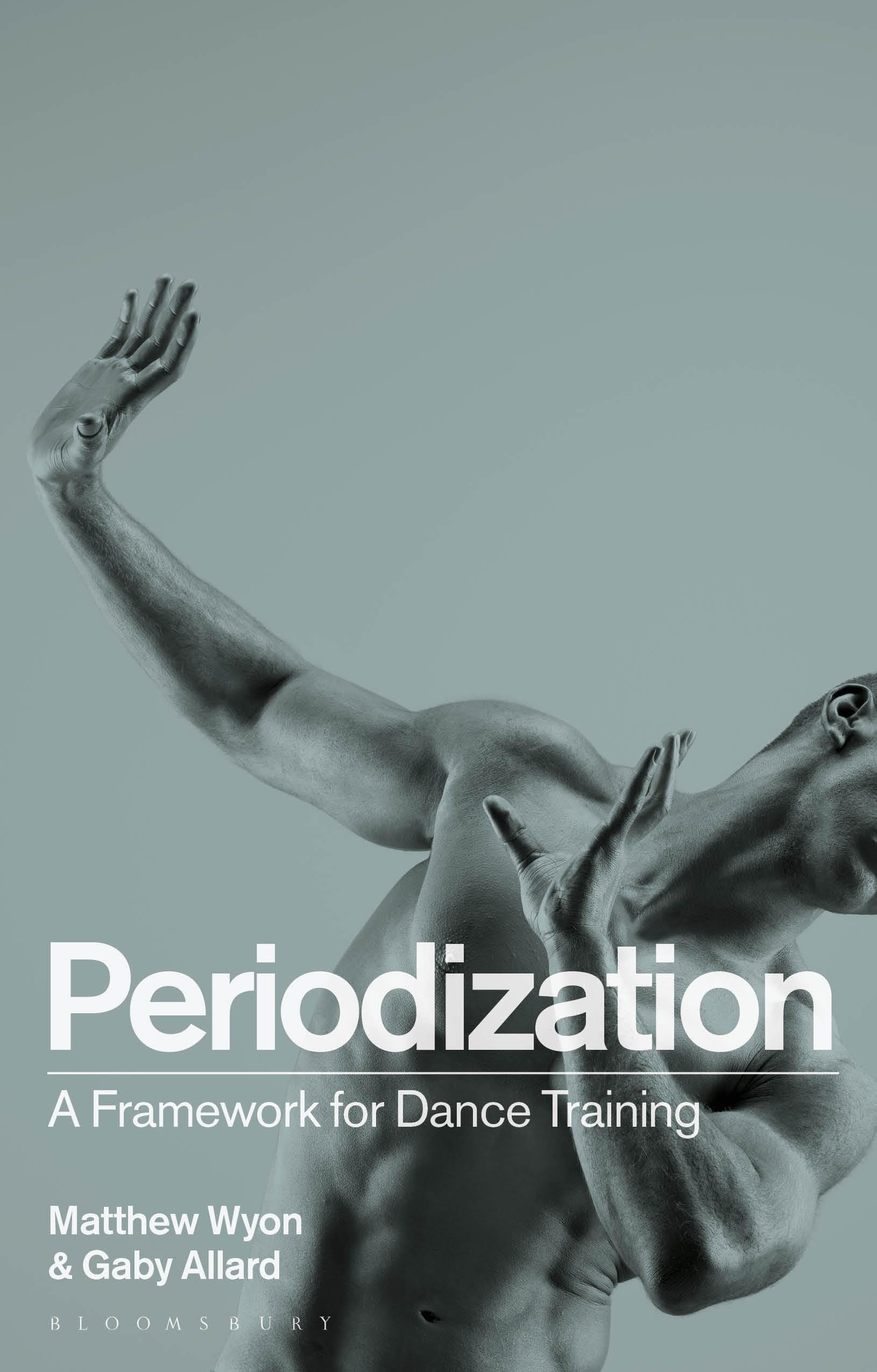
The training of elite dancers has not changed in the last 60 years; it is often only those that have survived the training that go on to have a career, not necessarily the most talented. It is time to challenge and change how we train tomorrow's professional dancers. This book brings you the reasons why and all tools to implement change.
10 years ago, Matthew Wyon and Gaby Allard introduced a new pedagogical approach to training vocational dancers: Periodization. This ground-breaking new methodology provides an adaptable framework to optimise training - it's goal-focused, fits to performance schedules, and is highly sustainable for the dancer. It is the future.
For the first time, Wyon and Allard have put their discoveries to paper. Periodization provides clear context to why change is needed, and explores the theoretical underpinnings of this new approach and how it can be effectively applied to a dance environment.
10 years ago, Matthew Wyon and Gaby Allard introduced a new pedagogical approach to training vocational dancers: Periodization. This ground-breaking new methodology provides an adaptable framework to optimise training - it's goal-focused, fits to performance schedules, and is highly sustainable for the dancer. It is the future.
For the first time, Wyon and Allard have put their discoveries to paper. Periodization provides clear context to why change is needed, and explores the theoretical underpinnings of this new approach and how it can be effectively applied to a dance environment.
Płać wygodnie kartą, Klarną, Apple Pay lub Google Pay. Nie jesteś zadowolony? Zawsze masz 14-dniową gwarancję zwrotu pieniędzy. Więcej przeczytasz w naszych warunkach. Masz pytania? Napisz do nas na hello@memmo.org.
Memmo ułatwia naukę – gdziekolwiek jesteś na świecie. U nas znajdziesz podręczniki i sprytne narzędzia do nauki w jednym miejscu: streszczenia, quizy, podcasty i fiszki. A do tego Ted, Twój kumpel do nauki, który odpowie na wszystko, co Cię nurtuje. Ponad 50 000 studentów już tu się uczy – stworzone, byś uczył się szybciej i mniej stresował.