
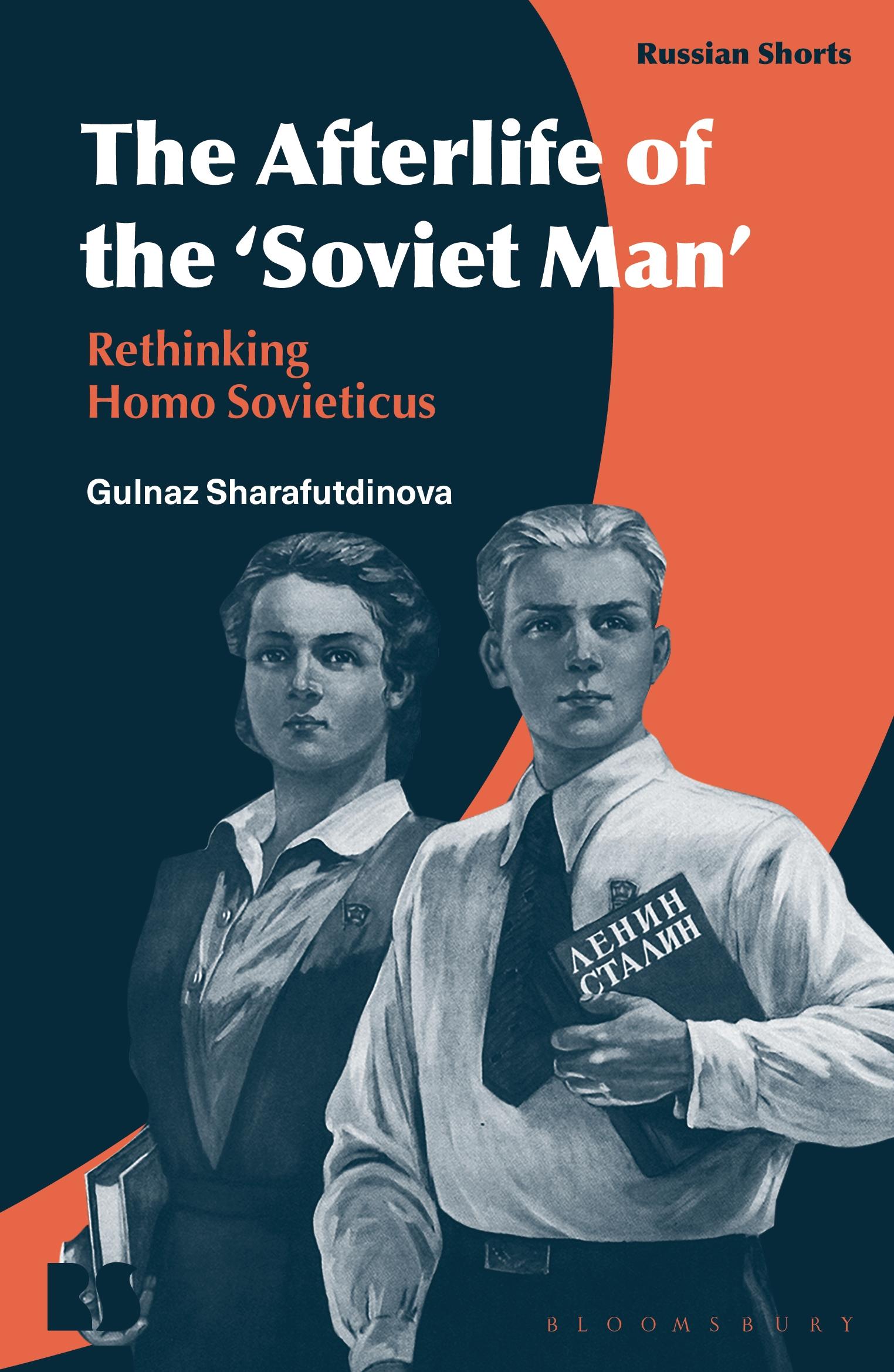
Almost three decades after the collapse of the Soviet Union, today more often than ever, global media and intellectuals rely on the concept of homo sovieticus to explain Russia's authoritarian ills. Homo sovieticus - or the Soviet man - is understood to be a double-thinking, suspicious and fearful conformist with no morality, an innate obedience to authority and no public demands; they have been forged in the fires of the totalitarian conditions in which they find themselves.
But where did this concept come from? What analytical and ideological pillars does it stand on? What is at stake in using this term today? The Afterlife of the 'Soviet Man' addresses all these questions and even explains why – at least in its contemporary usage – this concept should be abandoned altogether.
But where did this concept come from? What analytical and ideological pillars does it stand on? What is at stake in using this term today? The Afterlife of the 'Soviet Man' addresses all these questions and even explains why – at least in its contemporary usage – this concept should be abandoned altogether.
Płać wygodnie kartą, Klarną, Apple Pay lub Google Pay. Nie jesteś zadowolony? Zawsze masz 14-dniową gwarancję zwrotu pieniędzy. Więcej przeczytasz w naszych warunkach. Masz pytania? Napisz do nas na hello@memmo.org.
Memmo ułatwia naukę – gdziekolwiek jesteś na świecie. U nas znajdziesz podręczniki i sprytne narzędzia do nauki w jednym miejscu: streszczenia, quizy, podcasty i fiszki. A do tego Ted, Twój kumpel do nauki, który odpowie na wszystko, co Cię nurtuje. Ponad 50 000 studentów już tu się uczy – stworzone, byś uczył się szybciej i mniej stresował.