
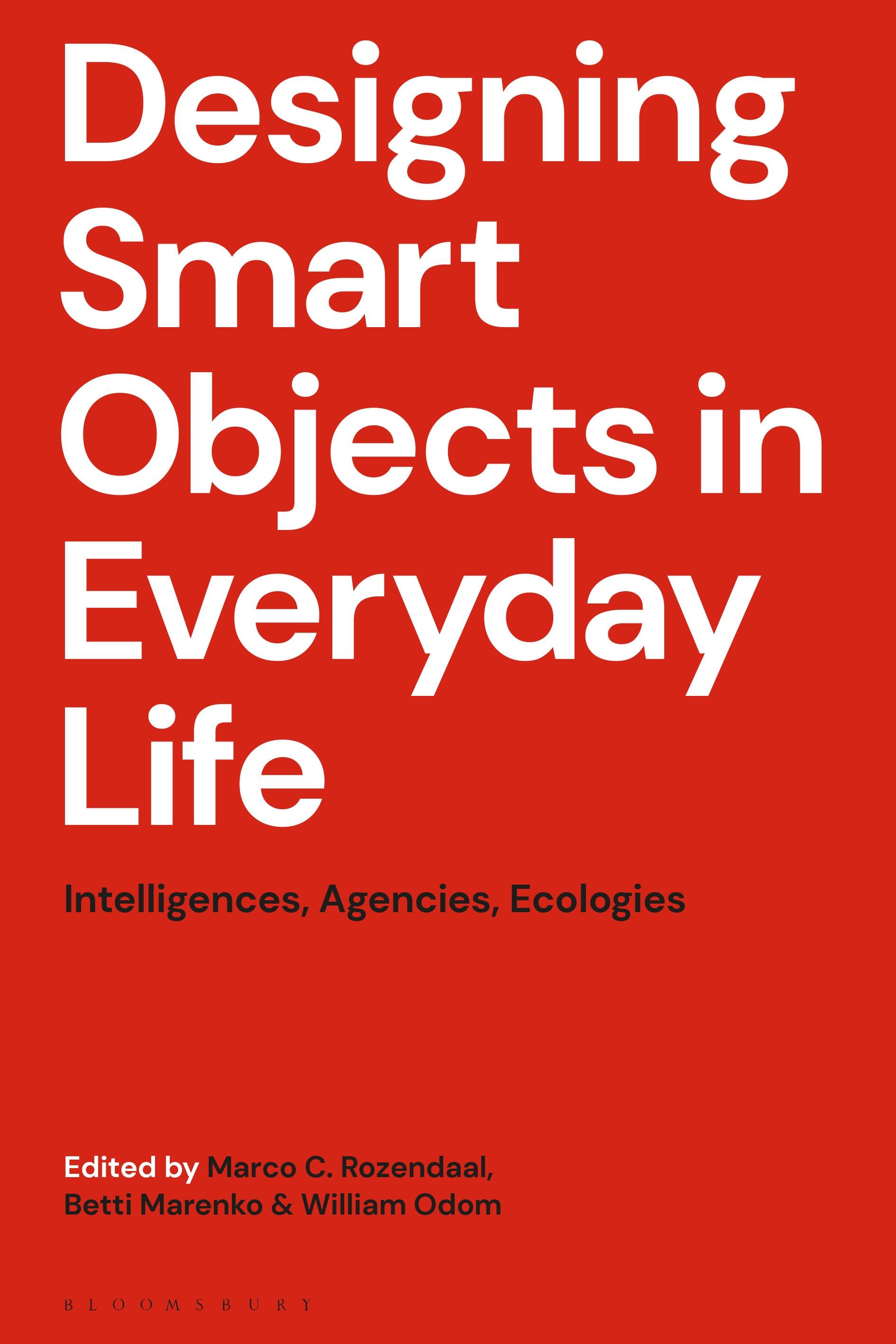
The dramatic acceleration of digital technologies and their integration into physical products is transforming everyday objects. Our domestic appliances, furniture, clothing, are growing in intelligence. Smart objects are increasingly capable of interacting with humans in a purposeful manner with intentionality. This collection of essays, descriptions of empirical work, and design case studies brings together perspectives from interaction design, the humanities, science and technology studies, and engineering, to map, explore and interrogate ways in which our relationships with everyday smart objects might expand and be re-imagined.
By offering a critical assessment on the growing place of smart technology in everyday environments, this book outlines a transdisciplinary research agenda for the future of 'smartness' to help define, envision, and inspire future collaborative design practices. These essays propose an understanding and design of smart objects that embrace their hybrid nature as shifting and blending tools, agents, machines, or even 'creatures'. Authors argue that smart objects have the potential to enter into multiple kinds of relationships with humans, and form complex human-nonhuman ecologies that are both meaningful and empowering in the context of everyday life. This book also shines a light on the hidden infrastructures behind the functioning of smart objects with stirring debates tackling questions of technology, human values, and economic and ecological impact.
Whether you are a design scholar, design practitioner or design activist this book will inspire through offering theoretical insights, design concepts and practical ways on how to engage in this research agenda for future smartness.
By offering a critical assessment on the growing place of smart technology in everyday environments, this book outlines a transdisciplinary research agenda for the future of 'smartness' to help define, envision, and inspire future collaborative design practices. These essays propose an understanding and design of smart objects that embrace their hybrid nature as shifting and blending tools, agents, machines, or even 'creatures'. Authors argue that smart objects have the potential to enter into multiple kinds of relationships with humans, and form complex human-nonhuman ecologies that are both meaningful and empowering in the context of everyday life. This book also shines a light on the hidden infrastructures behind the functioning of smart objects with stirring debates tackling questions of technology, human values, and economic and ecological impact.
Whether you are a design scholar, design practitioner or design activist this book will inspire through offering theoretical insights, design concepts and practical ways on how to engage in this research agenda for future smartness.
Płać wygodnie kartą, Klarną, Apple Pay lub Google Pay. Nie jesteś zadowolony? Zawsze masz 14-dniową gwarancję zwrotu pieniędzy. Więcej przeczytasz w naszych warunkach. Masz pytania? Napisz do nas na hello@memmo.org.
Memmo ułatwia naukę – gdziekolwiek jesteś na świecie. U nas znajdziesz podręczniki i sprytne narzędzia do nauki w jednym miejscu: streszczenia, quizy, podcasty i fiszki. A do tego Ted, Twój kumpel do nauki, który odpowie na wszystko, co Cię nurtuje. Ponad 50 000 studentów już tu się uczy – stworzone, byś uczył się szybciej i mniej stresował.