
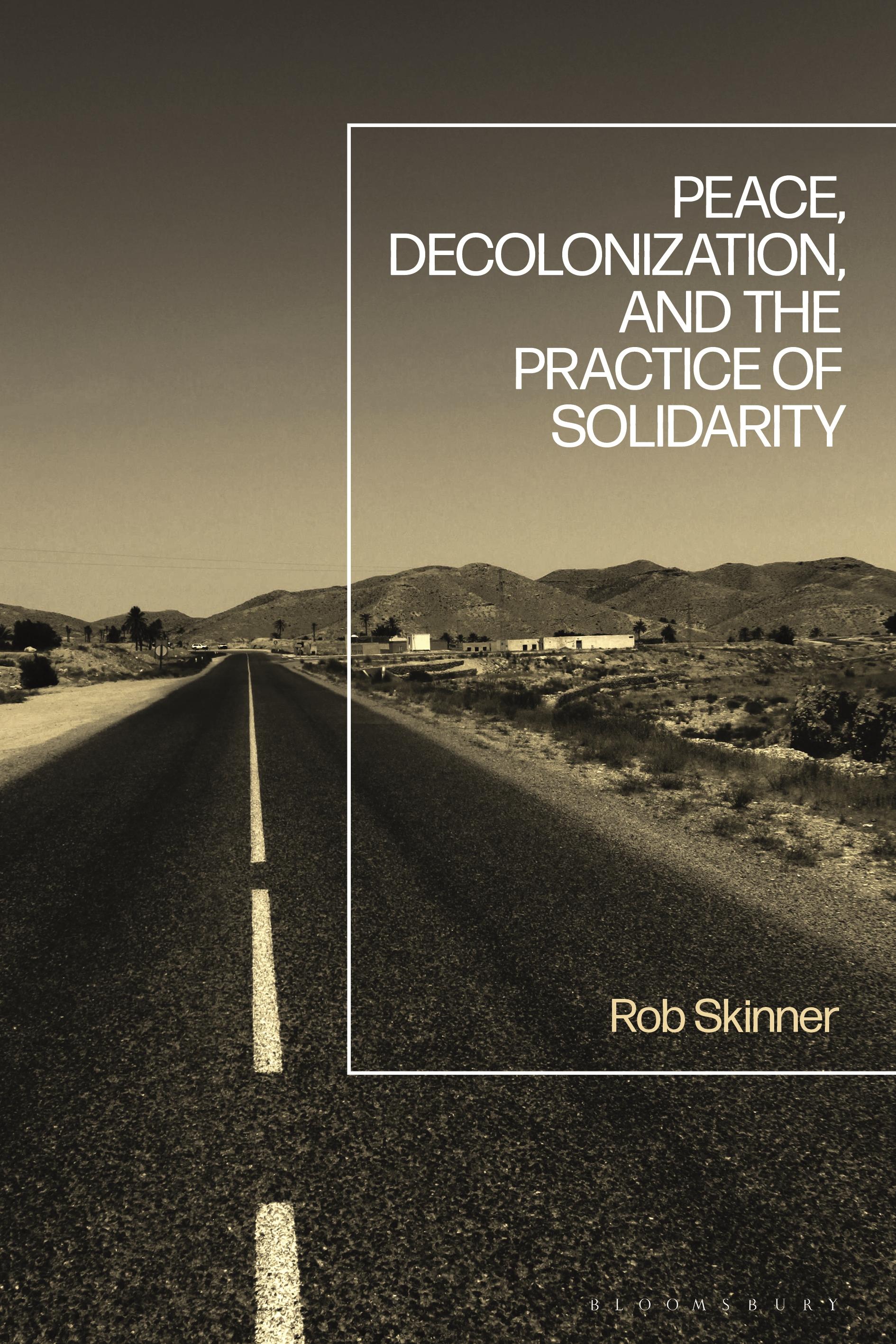
This book shows that the connected histories of decolonization and globalization concern the practices of individuals and movements as much as they do the ideologies of states, institutions and organizations. Viewing decolonization through non-state activist practices, and setting anti-colonial solidarity in the context of the methods of contemporary global peace movements, it argues that seemingly marginal histories can illuminate aspects of the end of empire that are not readily apparent in studies centred on state diplomacy and nationalist movements.
Focusing on a group of British and American activists, including the pacifist campaigner A.J. Muste, the anti-apartheid priest Michael Scott and the civil rights organiser Bayard Rustin, Skinner explores connected global histories of anti-nuclear peace campaigns, anti-colonialism and decolonization to illuminate new perspectives on the end of empire and the Cold War.
Studying a failed attempt to infiltrate the French atom bomb test site in southern Algeria, and a mass march across the border between Tanganyika and Northern Rhodesia that never took place, these stories provide valuable insights into the interactions between local and global scales of historical experience.
In presenting these histories, this book demonstrates how global and transnational histories can challenge and disrupt, rather than reinforce hierarchies of power and privileges. In doing so, it also contributes to ongoing debates surrounding the nature of decolonization as a historical phenomenon by focusing on the practices of activism that shaped - and were shaped by – the political and intellectual structures of decolonization.
Focusing on a group of British and American activists, including the pacifist campaigner A.J. Muste, the anti-apartheid priest Michael Scott and the civil rights organiser Bayard Rustin, Skinner explores connected global histories of anti-nuclear peace campaigns, anti-colonialism and decolonization to illuminate new perspectives on the end of empire and the Cold War.
Studying a failed attempt to infiltrate the French atom bomb test site in southern Algeria, and a mass march across the border between Tanganyika and Northern Rhodesia that never took place, these stories provide valuable insights into the interactions between local and global scales of historical experience.
In presenting these histories, this book demonstrates how global and transnational histories can challenge and disrupt, rather than reinforce hierarchies of power and privileges. In doing so, it also contributes to ongoing debates surrounding the nature of decolonization as a historical phenomenon by focusing on the practices of activism that shaped - and were shaped by – the political and intellectual structures of decolonization.
Płać wygodnie kartą, Klarną, Apple Pay lub Google Pay. Nie jesteś zadowolony? Zawsze masz 14-dniową gwarancję zwrotu pieniędzy. Więcej przeczytasz w naszych warunkach. Masz pytania? Napisz do nas na hello@memmo.org.
Memmo ułatwia naukę – gdziekolwiek jesteś na świecie. U nas znajdziesz podręczniki i sprytne narzędzia do nauki w jednym miejscu: streszczenia, quizy, podcasty i fiszki. A do tego Ted, Twój kumpel do nauki, który odpowie na wszystko, co Cię nurtuje. Ponad 50 000 studentów już tu się uczy – stworzone, byś uczył się szybciej i mniej stresował.