
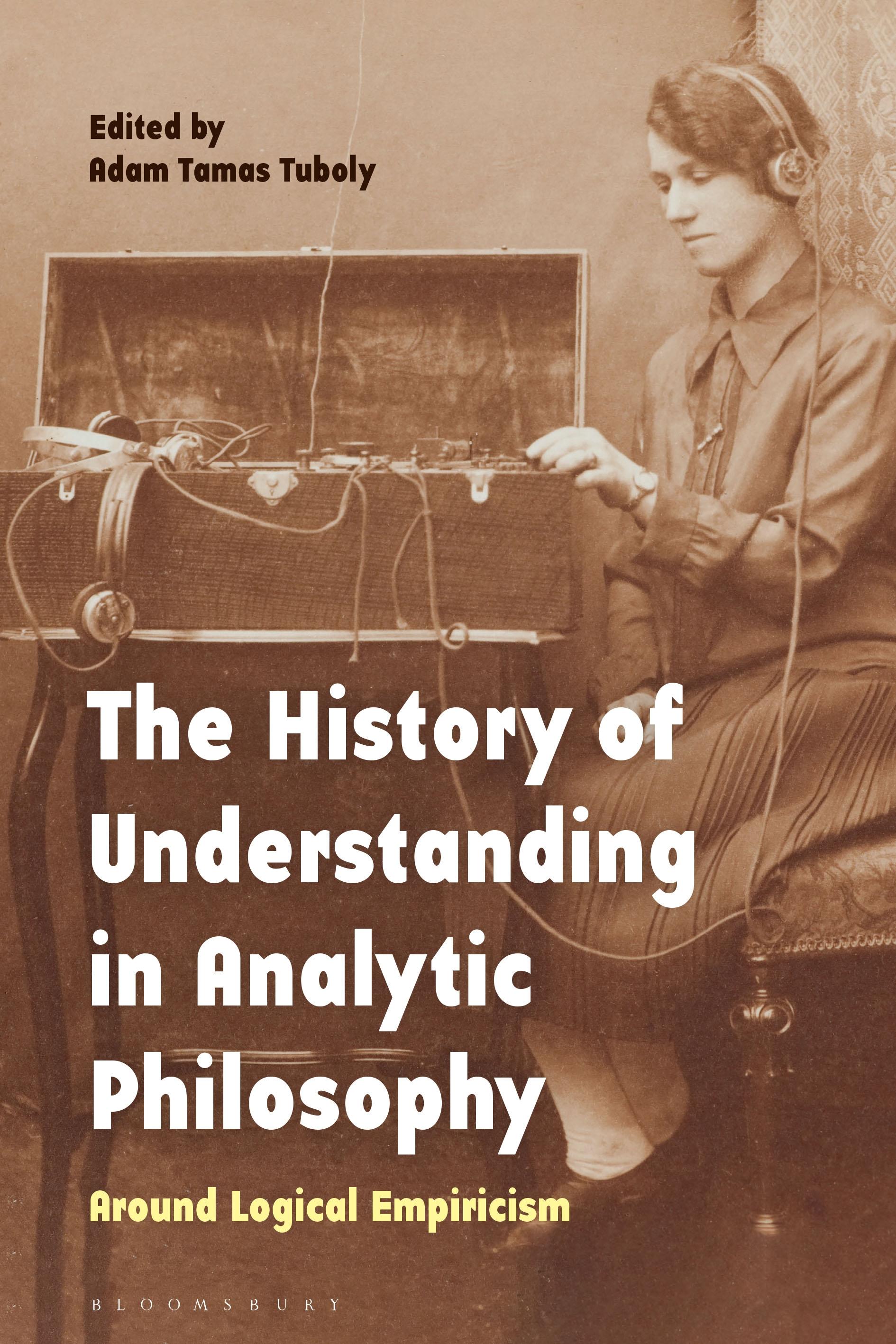
Interpretive understanding of human behaviour, known as verstehen, underpins the divide between the social sciences and the natural sciences. Taking a historically orientated approach, this collection offers a fresh take on the development of understanding within analytic philosophy before, during and after logical empiricism. In doing so, it reinvigorates debates on the role of the social sciences within contemporary epistemology.
Bringing together leading experts including Martin Kusch, Thomas Uebel, Karsten Stueber and Giuseppina D'Oro, it is an authoritative reference on the logical empiricists' philosophy of social science.
Charting the various reformulations of verstehen as proposed by Wilhem Dilthey, Max Weber, R.G Collingwood and Peter Winch, the volume explores the reception of the social sciences prior to logical empiricism, before surveying the positive and negative critiques from Otto Neurath, Felix Kaufmann, Viktor Kraft and other logical empiricists. As such, chapters reveal that verstehen was not altogether rejected by the Vienna Circle, but was subject to various conceptual uses and misuses. Along with systematic historical coverage, the book situates verhesten within contemporary interdisciplinary developments in the field, shedding light on the 21st-century 'turn' to understanding among analytic philosophers and opening further lines of inquiry for philosophy of social science.
Bringing together leading experts including Martin Kusch, Thomas Uebel, Karsten Stueber and Giuseppina D'Oro, it is an authoritative reference on the logical empiricists' philosophy of social science.
Charting the various reformulations of verstehen as proposed by Wilhem Dilthey, Max Weber, R.G Collingwood and Peter Winch, the volume explores the reception of the social sciences prior to logical empiricism, before surveying the positive and negative critiques from Otto Neurath, Felix Kaufmann, Viktor Kraft and other logical empiricists. As such, chapters reveal that verstehen was not altogether rejected by the Vienna Circle, but was subject to various conceptual uses and misuses. Along with systematic historical coverage, the book situates verhesten within contemporary interdisciplinary developments in the field, shedding light on the 21st-century 'turn' to understanding among analytic philosophers and opening further lines of inquiry for philosophy of social science.
Płać wygodnie kartą, Klarną, Apple Pay lub Google Pay. Nie jesteś zadowolony? Zawsze masz 14-dniową gwarancję zwrotu pieniędzy. Więcej przeczytasz w naszych warunkach. Masz pytania? Napisz do nas na hello@memmo.org.
Memmo ułatwia naukę – gdziekolwiek jesteś na świecie. U nas znajdziesz podręczniki i sprytne narzędzia do nauki w jednym miejscu: streszczenia, quizy, podcasty i fiszki. A do tego Ted, Twój kumpel do nauki, który odpowie na wszystko, co Cię nurtuje. Ponad 50 000 studentów już tu się uczy – stworzone, byś uczył się szybciej i mniej stresował.