
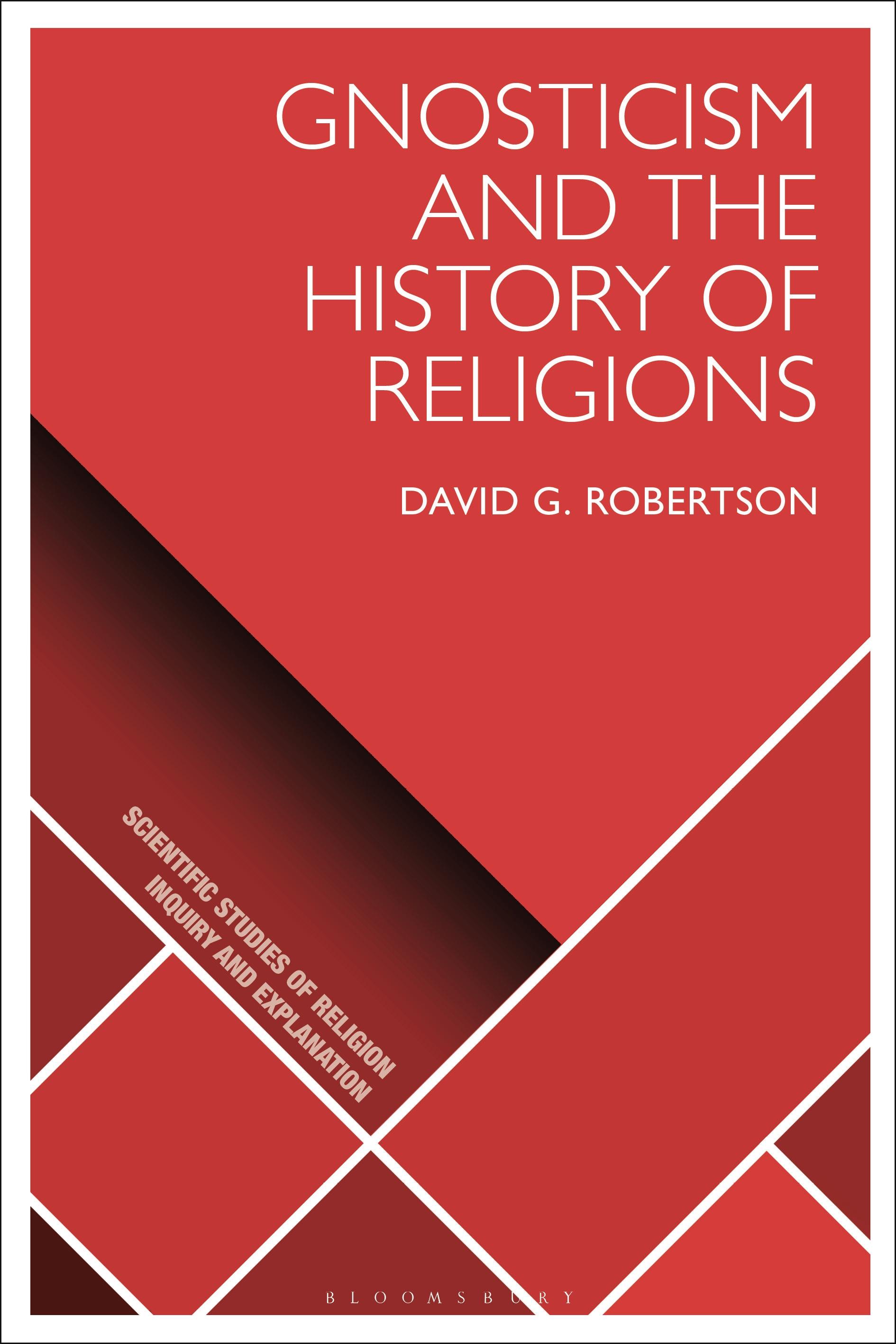
Building on critical work in biblical studies, which shows how a historically-bounded heretical tradition called Gnosticism was 'invented', this work focuses on the following stage in which it was “essentialised” into a sui generis, universal category of religion. At the same time, it shows how Gnosticism became a religious self-identifier, with a number of sizable contemporary groups identifying as Gnostics today, drawing on the same discourses.
This book provides a history of this problematic category, and its relationship with scholarly and popular discourse on religion in the twentieth century. It uses a critical-historical method to show how and why Gnosis, Gnostic and Gnosticism were taken up by specific groups and individuals – practitioners and scholars – at different times. It shows how ideas about Gnosticism developed in late nineteenth- and twentieth-century scholarship, drawing from continental phenomenology, Jungian psychology and post-Holocaust theology, to be constructed as a perennial religious current based on special knowledge of the divine in a corrupt world.
David G. Robertson challenges how scholars interact with the category Gnosticism, and contributes to our understanding of the complex relationship between primary sources, academics and practitioners in category formation.
This book provides a history of this problematic category, and its relationship with scholarly and popular discourse on religion in the twentieth century. It uses a critical-historical method to show how and why Gnosis, Gnostic and Gnosticism were taken up by specific groups and individuals – practitioners and scholars – at different times. It shows how ideas about Gnosticism developed in late nineteenth- and twentieth-century scholarship, drawing from continental phenomenology, Jungian psychology and post-Holocaust theology, to be constructed as a perennial religious current based on special knowledge of the divine in a corrupt world.
David G. Robertson challenges how scholars interact with the category Gnosticism, and contributes to our understanding of the complex relationship between primary sources, academics and practitioners in category formation.
Strony: 240
Kategoria: Religion & Teologi
e-ISBN: 9781350137714
Waga przesyłki: 1.2 kg
Wysyłka w ciągu: 1-2 dni
Płać wygodnie kartą, Klarną, Apple Pay lub Google Pay. Nie jesteś zadowolony? Zawsze masz 14-dniową gwarancję zwrotu pieniędzy. Więcej przeczytasz w naszych warunkach. Masz pytania? Napisz do nas na hello@memmo.org.
Memmo ułatwia naukę – gdziekolwiek jesteś na świecie. U nas znajdziesz podręczniki i sprytne narzędzia do nauki w jednym miejscu: streszczenia, quizy, podcasty i fiszki. A do tego Ted, Twój kumpel do nauki, który odpowie na wszystko, co Cię nurtuje. Ponad 50 000 studentów już tu się uczy – stworzone, byś uczył się szybciej i mniej stresował.