
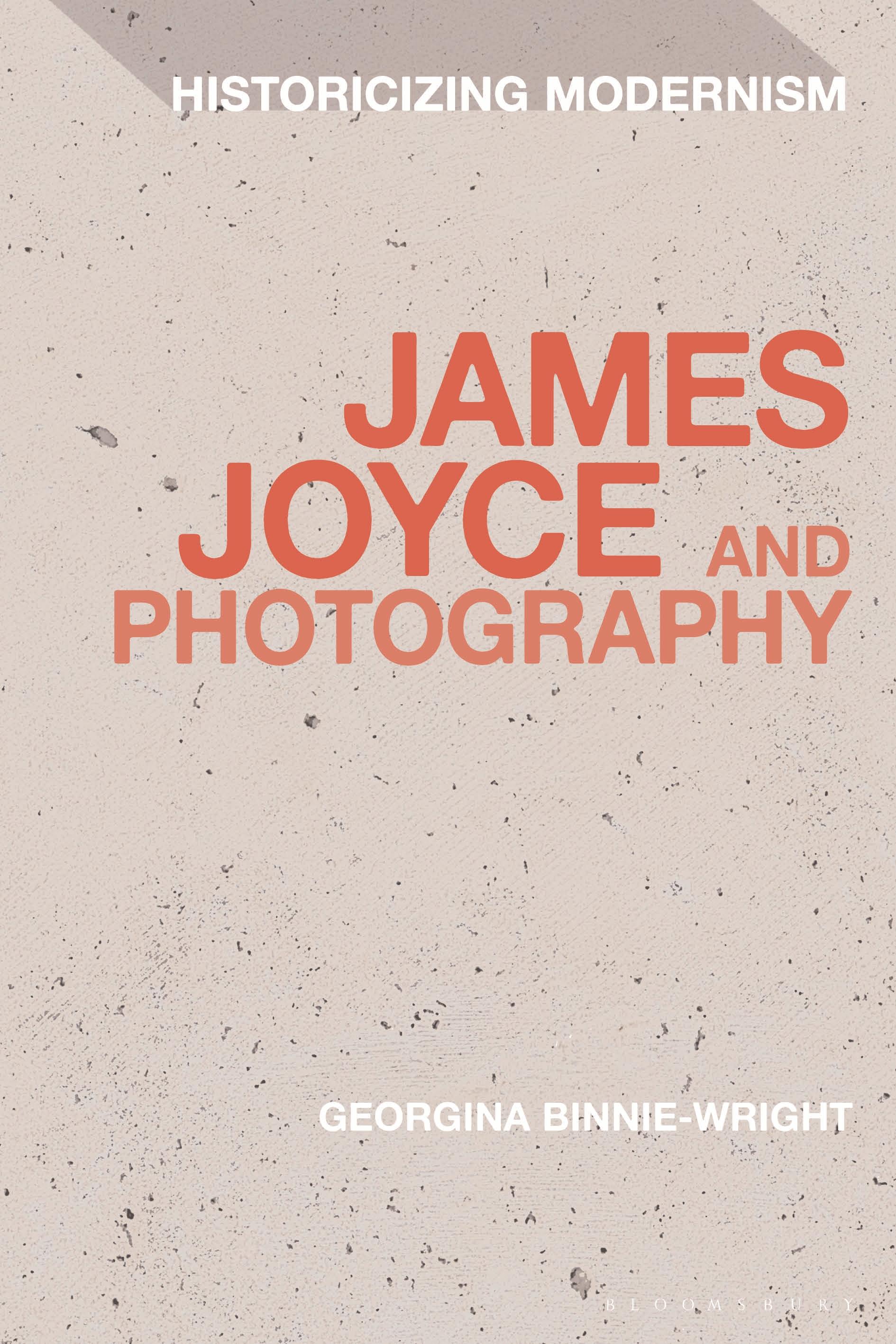
James Joyce and Photography is the first book to explore in-depth James Joyce's personal and professional engagement with photography. Photographs, photographic devices and photographically-inspired techniques appear throughout Joyce's work, from his narrator's furtive proto-photographic framing in Silhouettes (c. 1897), to the aggressively-minded 'Tulloch-Turnbull girl with her coldblood kodak' in Finnegans Wake (1939).
Through an exploration of Joyce's manuscripts and photographic and newspaper archival material, as well as the full range of his major works, this book sheds new light on his sustained interest in this visual medium. This project takes Joyce's intention in Dubliners (1914) to 'betray the soul of that hemiplegia or paralysis which many consider a city' as key to his interaction with photography, which in his literature occupies a dual position between stasis and innovation.
Through an exploration of Joyce's manuscripts and photographic and newspaper archival material, as well as the full range of his major works, this book sheds new light on his sustained interest in this visual medium. This project takes Joyce's intention in Dubliners (1914) to 'betray the soul of that hemiplegia or paralysis which many consider a city' as key to his interaction with photography, which in his literature occupies a dual position between stasis and innovation.
Strony: 224
Kategoria: Litteraturvetenskap & Teori
e-ISBN: 9781350136984
Waga przesyłki: 1.2 kg
Wysyłka w ciągu: 1-2 dni
Płać wygodnie kartą, Klarną, Apple Pay lub Google Pay. Nie jesteś zadowolony? Zawsze masz 14-dniową gwarancję zwrotu pieniędzy. Więcej przeczytasz w naszych warunkach. Masz pytania? Napisz do nas na hello@memmo.org.
Memmo ułatwia naukę – gdziekolwiek jesteś na świecie. U nas znajdziesz podręczniki i sprytne narzędzia do nauki w jednym miejscu: streszczenia, quizy, podcasty i fiszki. A do tego Ted, Twój kumpel do nauki, który odpowie na wszystko, co Cię nurtuje. Ponad 50 000 studentów już tu się uczy – stworzone, byś uczył się szybciej i mniej stresował.