
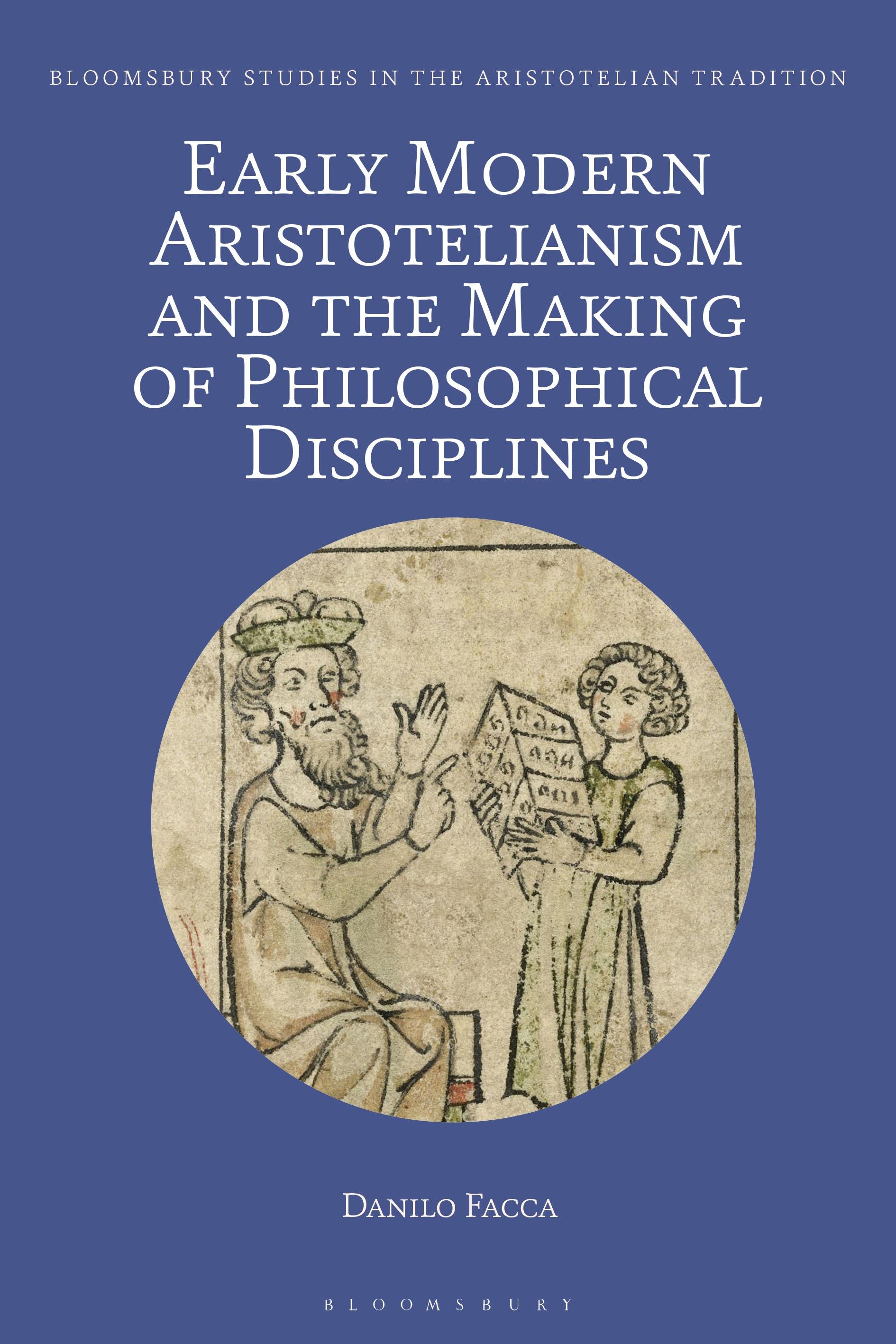
Danilo Facca investigates the contribution of Aristotelianism in the emergence of a system of philosophical disciplines for schools and universities in the late Renaissance and Early Modern age.
Facca charts the intellectual context of this process, focusing on the interpretation of Aristotelianism at renowned German, Italian and Polish centres of study including Milan, Padua, Altdorf, Helmstedt, Torun and Gdansk, at a time when the authority of the Aristotelian tradition was under direct threat from the dissemination of Peter Ramus' thought. Each chapter assesses engagement with and criticism of ideas from Aristotelian theoretical and practical philosophy. They bring together the writings of major figures, including Peter Ramus and Bartholomäus Keckermann, and lesser-known academics who have not received sufficient recognition in existing literature, such as Ottaviano Ferrari, Philipp Scherb, Ernst Soner and Franz Tidike.
By discussing the relationship of these academics with the Aristotelian legacy, this book reveals how innovative ideas that emerged during the late-sixteenth and early-seventeenth centuries were actually formed through the reworking, and even distortion of concepts originally derived from Aristotle.
Facca charts the intellectual context of this process, focusing on the interpretation of Aristotelianism at renowned German, Italian and Polish centres of study including Milan, Padua, Altdorf, Helmstedt, Torun and Gdansk, at a time when the authority of the Aristotelian tradition was under direct threat from the dissemination of Peter Ramus' thought. Each chapter assesses engagement with and criticism of ideas from Aristotelian theoretical and practical philosophy. They bring together the writings of major figures, including Peter Ramus and Bartholomäus Keckermann, and lesser-known academics who have not received sufficient recognition in existing literature, such as Ottaviano Ferrari, Philipp Scherb, Ernst Soner and Franz Tidike.
By discussing the relationship of these academics with the Aristotelian legacy, this book reveals how innovative ideas that emerged during the late-sixteenth and early-seventeenth centuries were actually formed through the reworking, and even distortion of concepts originally derived from Aristotle.
Płać wygodnie kartą, Klarną, Apple Pay lub Google Pay. Nie jesteś zadowolony? Zawsze masz 14-dniową gwarancję zwrotu pieniędzy. Więcej przeczytasz w naszych warunkach. Masz pytania? Napisz do nas na hello@memmo.org.
Memmo ułatwia naukę – gdziekolwiek jesteś na świecie. U nas znajdziesz podręczniki i sprytne narzędzia do nauki w jednym miejscu: streszczenia, quizy, podcasty i fiszki. A do tego Ted, Twój kumpel do nauki, który odpowie na wszystko, co Cię nurtuje. Ponad 50 000 studentów już tu się uczy – stworzone, byś uczył się szybciej i mniej stresował.