
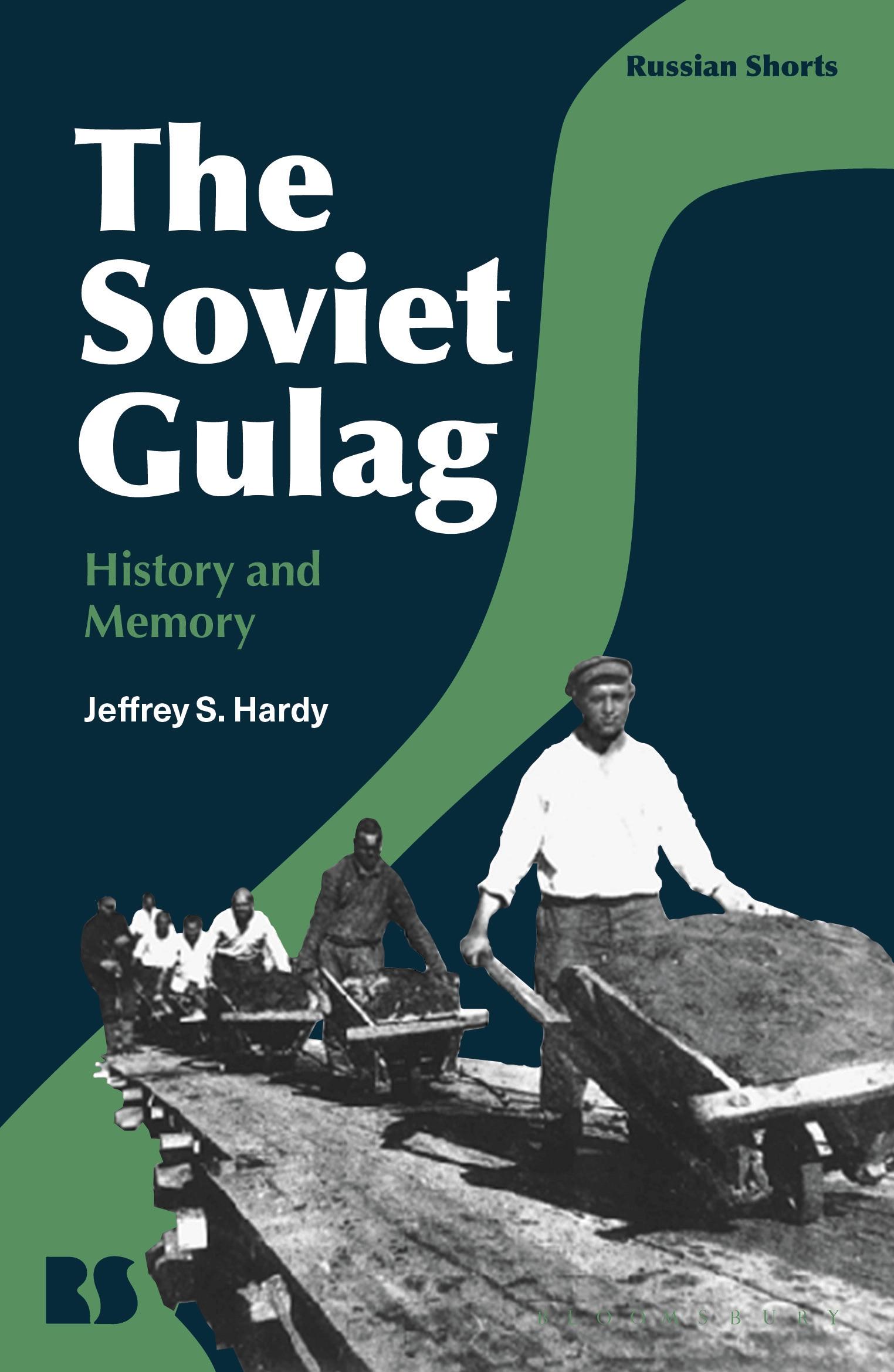
A vivid account of the Gulag, the Soviet Union's infamous penal system, this book charts how Bolshevik visions of a humane alternative to Tsarist exile and Western penitentiaries became a chaotic and violent system of mass incarceration that bore a tragic human toll.
As the first concise history in the English language, The Soviet Gulag: History and Memory provides an illuminating account of the Gulag from 1917, through to the end of the Soviet Union and the contested memory of the Gulag that persists today.
Beginning with their conception, during the various penal experiments of the 1920s, their expansion, during the campaigns against perceived enemies of the Soviet regime in the 1930s, and their decline in the years proceeding Stalin's death, Jeffrey S. Hardy explores how many facets of Gulag life endured right up until the collapse of the Soviet Union in 1991. He addresses both the intentions of administrators and the experience of inmates, as well as covering the main scholarly debates surrounding these issues,
Crucially, the book also examines the post-Soviet era. You discover how politicians, nongovernmental organizations, and Gulag survivors have debated how or even if to commemorate the victims of the Gulag. Hardy reveals that despite numerous monuments and museum displays emerging out of these discussions, the Gulag's legacy remains hotly contested in Russia today
As the first concise history in the English language, The Soviet Gulag: History and Memory provides an illuminating account of the Gulag from 1917, through to the end of the Soviet Union and the contested memory of the Gulag that persists today.
Beginning with their conception, during the various penal experiments of the 1920s, their expansion, during the campaigns against perceived enemies of the Soviet regime in the 1930s, and their decline in the years proceeding Stalin's death, Jeffrey S. Hardy explores how many facets of Gulag life endured right up until the collapse of the Soviet Union in 1991. He addresses both the intentions of administrators and the experience of inmates, as well as covering the main scholarly debates surrounding these issues,
Crucially, the book also examines the post-Soviet era. You discover how politicians, nongovernmental organizations, and Gulag survivors have debated how or even if to commemorate the victims of the Gulag. Hardy reveals that despite numerous monuments and museum displays emerging out of these discussions, the Gulag's legacy remains hotly contested in Russia today
Płać wygodnie kartą, Klarną, Apple Pay lub Google Pay. Nie jesteś zadowolony? Zawsze masz 14-dniową gwarancję zwrotu pieniędzy. Więcej przeczytasz w naszych warunkach. Masz pytania? Napisz do nas na hello@memmo.org.
Memmo ułatwia naukę – gdziekolwiek jesteś na świecie. U nas znajdziesz podręczniki i sprytne narzędzia do nauki w jednym miejscu: streszczenia, quizy, podcasty i fiszki. A do tego Ted, Twój kumpel do nauki, który odpowie na wszystko, co Cię nurtuje. Ponad 50 000 studentów już tu się uczy – stworzone, byś uczył się szybciej i mniej stresował.