
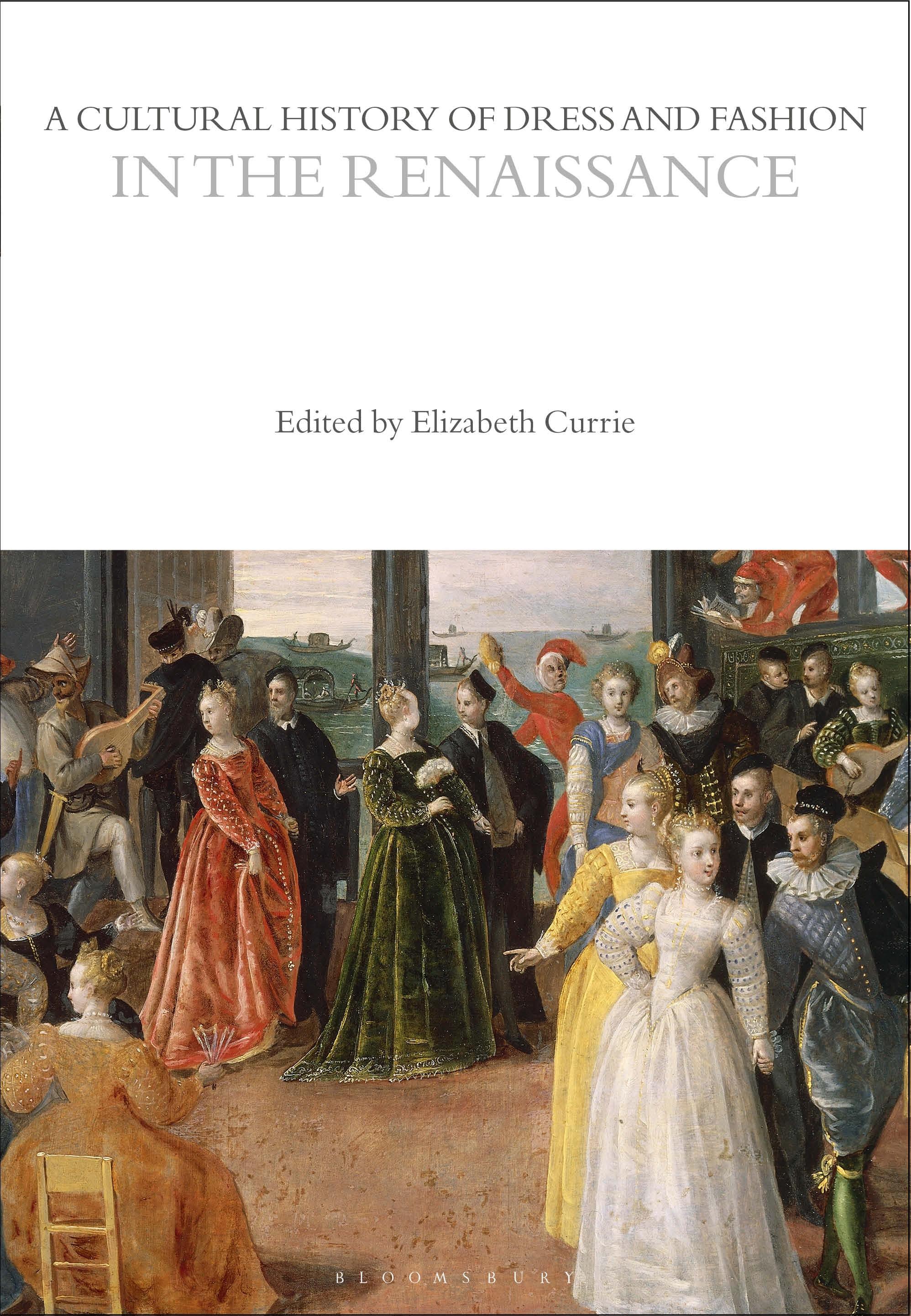
Spurred by an increasingly international and competitive market, the Renaissance saw the development of many new fabrics and the use of highly prized ingredients imported from the New World. In response to a thirst for the new, fashion's pace of change accelerated, the production of garments provided employment for an increasingly significant proportion of the working population, and entrepreneurial artisans began to transform even the most functional garments into fashionable ones. Anxieties concerning vanity and the power of clothing to mask identities heightened fears of fashion's corrupting influence, and heralded the great age of sumptuary legislation intended to police status and gender through dress.
Drawing on sources from surviving garments to artworks to moralising pamphlets, this richly illustrated volume presents essays on textiles, production and distribution, the body, belief, gender and sexuality, status, ethnicity, and visual and literary representations to illustrate the diversity and cultural significance of dress and fashion in the period.
Drawing on sources from surviving garments to artworks to moralising pamphlets, this richly illustrated volume presents essays on textiles, production and distribution, the body, belief, gender and sexuality, status, ethnicity, and visual and literary representations to illustrate the diversity and cultural significance of dress and fashion in the period.
Płać wygodnie kartą, Klarną, Apple Pay lub Google Pay. Nie jesteś zadowolony? Zawsze masz 14-dniową gwarancję zwrotu pieniędzy. Więcej przeczytasz w naszych warunkach. Masz pytania? Napisz do nas na hello@memmo.org.
Memmo ułatwia naukę – gdziekolwiek jesteś na świecie. U nas znajdziesz podręczniki i sprytne narzędzia do nauki w jednym miejscu: streszczenia, quizy, podcasty i fiszki. A do tego Ted, Twój kumpel do nauki, który odpowie na wszystko, co Cię nurtuje. Ponad 50 000 studentów już tu się uczy – stworzone, byś uczył się szybciej i mniej stresował.