
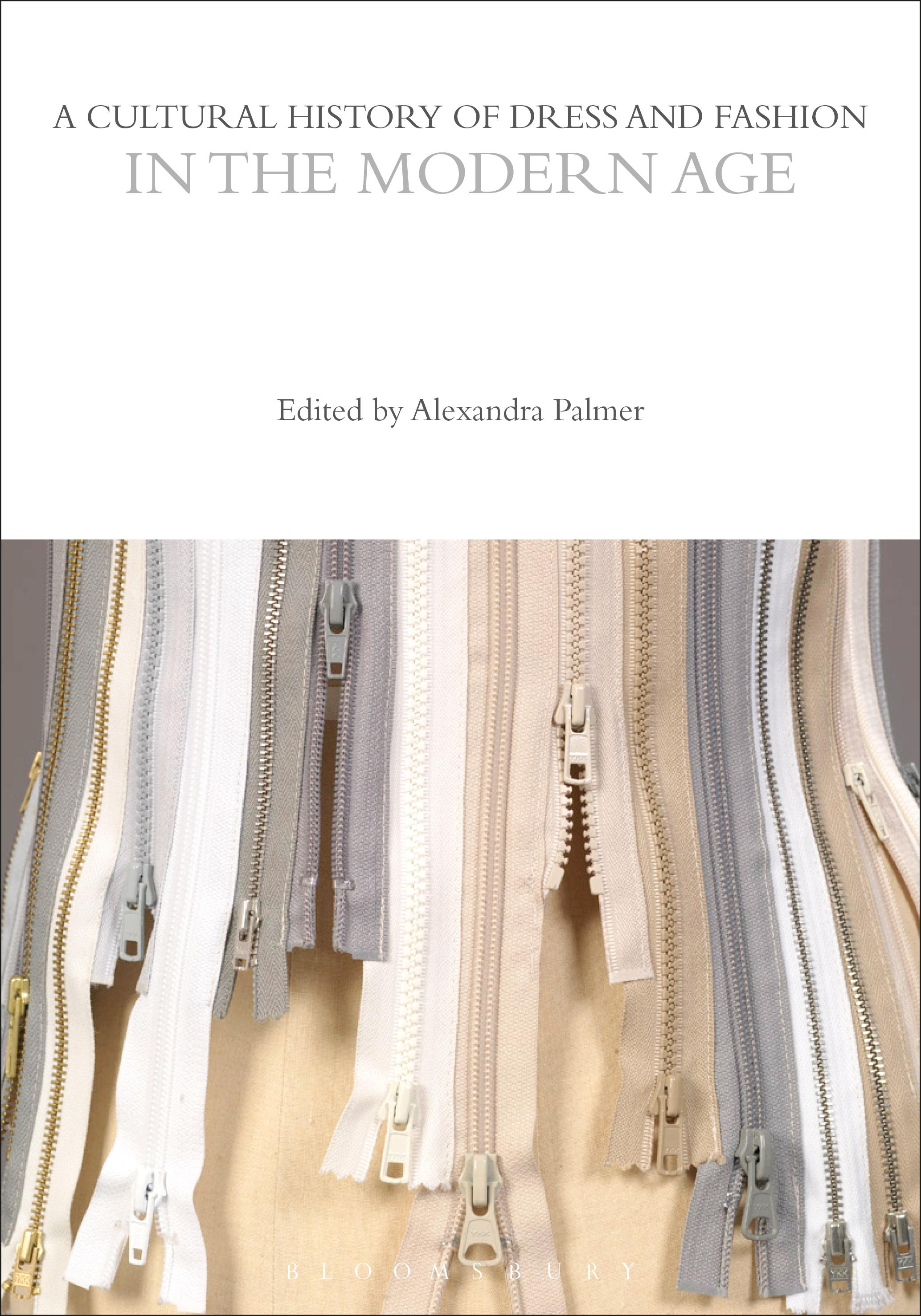
Over the last century there has been a complete transformation of the fashion system. The unitary top-down fashion cycle has been replaced by the pulsations of multiple and simultaneous styles, while the speed of global production and circulation has become ever faster and more complex. Running in tandem, the development of artificial fibres has revolutionized the composition of clothing, and the increased focus on youth, sexuality, and the body has radically changed its design. From the 1920s flapper dress to debates over the burkini, fashion has continued to be deeply involved in society's larger issues.
Drawing on a wealth of visual, textual and object sources and illustrated with 100 images, A Cultural History of Dress and Fashion in the Modern Age presents essays on textiles, production and distribution, the body, belief, gender and sexuality, status, ethnicity, and visual and literary representations to illustrate the diversity and cultural significance of dress and fashion in the period.
Drawing on a wealth of visual, textual and object sources and illustrated with 100 images, A Cultural History of Dress and Fashion in the Modern Age presents essays on textiles, production and distribution, the body, belief, gender and sexuality, status, ethnicity, and visual and literary representations to illustrate the diversity and cultural significance of dress and fashion in the period.
Płać wygodnie kartą, Klarną, Apple Pay lub Google Pay. Nie jesteś zadowolony? Zawsze masz 14-dniową gwarancję zwrotu pieniędzy. Więcej przeczytasz w naszych warunkach. Masz pytania? Napisz do nas na hello@memmo.org.
Memmo ułatwia naukę – gdziekolwiek jesteś na świecie. U nas znajdziesz podręczniki i sprytne narzędzia do nauki w jednym miejscu: streszczenia, quizy, podcasty i fiszki. A do tego Ted, Twój kumpel do nauki, który odpowie na wszystko, co Cię nurtuje. Ponad 50 000 studentów już tu się uczy – stworzone, byś uczył się szybciej i mniej stresował.