
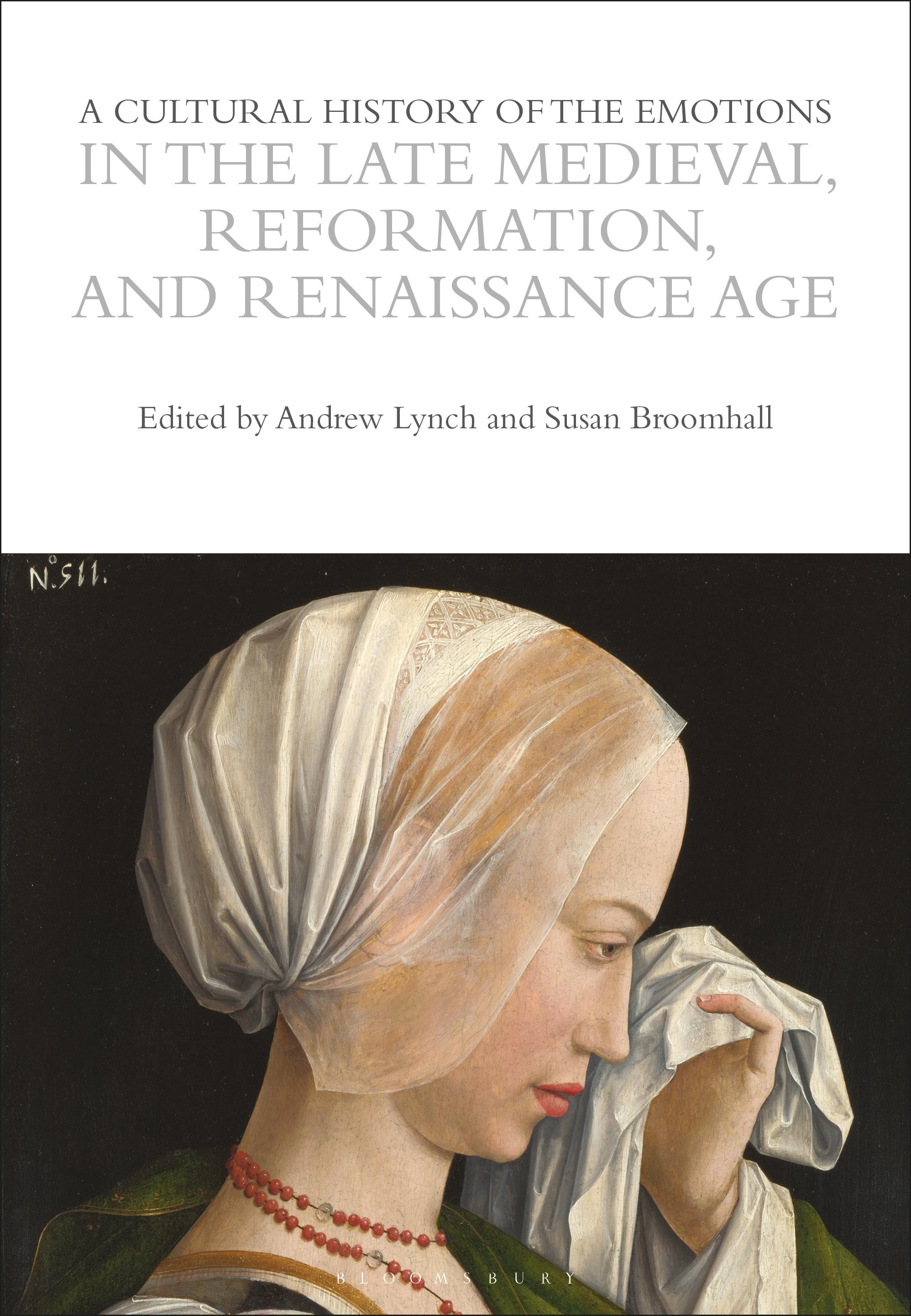
The period 1300-1600 CE was one of intense and far-reaching emotional realignments in European culture. New desires and developments in politics, religion, philosophy, the arts and literature fundamentally changed emotional attitudes to history, creating the sense of a rupture from the immediate past. In this volatile context, cultural products of all kinds offered competing objects of love, hate, hope and fear. Art, music, dance and song provided new models of family affection, interpersonal intimacy, relationship with God, and gender and national identities. The public and private spaces of courts, cities and houses shaped the practices and rituals in which emotional lives were expressed and understood. Scientific and medical discoveries changed emotional relations to the cosmos, the natural world and the body. Both continuing traditions and new sources of cultural authority made emotions central to the concept of human nature, and involved them in every aspect of existence.
Płać wygodnie kartą, Klarną, Apple Pay lub Google Pay. Nie jesteś zadowolony? Zawsze masz 14-dniową gwarancję zwrotu pieniędzy. Więcej przeczytasz w naszych warunkach. Masz pytania? Napisz do nas na hello@memmo.org.
Memmo ułatwia naukę – gdziekolwiek jesteś na świecie. U nas znajdziesz podręczniki i sprytne narzędzia do nauki w jednym miejscu: streszczenia, quizy, podcasty i fiszki. A do tego Ted, Twój kumpel do nauki, który odpowie na wszystko, co Cię nurtuje. Ponad 50 000 studentów już tu się uczy – stworzone, byś uczył się szybciej i mniej stresował.