
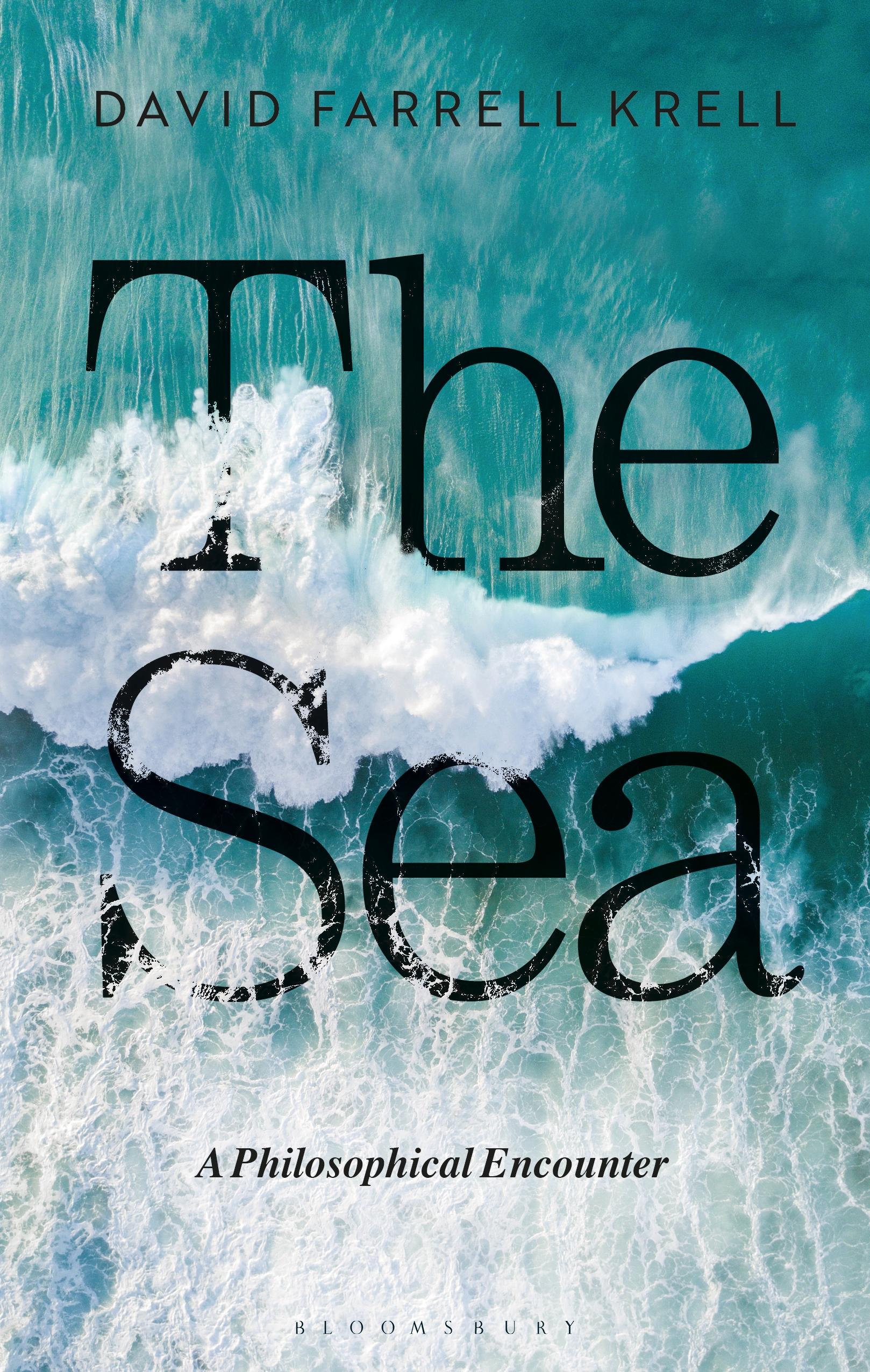
Humankind has a profound and complex relationship with the sea, a relationship that is extensively reflected in biology, psychology, religion, literature and poetry. The sea cradles and soothes us, we visit it often for solace and inspiration, it is familiar, being the place where life ultimately began. Yet the sea is also dark and mysterious and often spells catastrophe and death. The sea is a set of contradictions: kind, cruel, indifferent. She is a blind will that will 'have her way'. In exploring this most capricious of phenomena, David Farrell Krell engages the work of an array of thinkers and writers including, but not limited to, Homer, Thales, Anaximander, Heraclitus, Plato, Aristotle, Hölderlin, Melville, Woolf, Whitman, Nietzsche, Heidegger, Schelling, Ferenczi, Rank and Freud.
The Sea explores the significance in Western civilization of the catastrophic and generative power of the sea and what humankind's complex relationship with it reveals about the human condition, human consciousness, temporality, striving, anxiety, happiness and mortality.
The Sea explores the significance in Western civilization of the catastrophic and generative power of the sea and what humankind's complex relationship with it reveals about the human condition, human consciousness, temporality, striving, anxiety, happiness and mortality.
Płać wygodnie kartą, Klarną, Apple Pay lub Google Pay. Nie jesteś zadowolony? Zawsze masz 14-dniową gwarancję zwrotu pieniędzy. Więcej przeczytasz w naszych warunkach. Masz pytania? Napisz do nas na hello@memmo.org.
Memmo ułatwia naukę – gdziekolwiek jesteś na świecie. U nas znajdziesz podręczniki i sprytne narzędzia do nauki w jednym miejscu: streszczenia, quizy, podcasty i fiszki. A do tego Ted, Twój kumpel do nauki, który odpowie na wszystko, co Cię nurtuje. Ponad 50 000 studentów już tu się uczy – stworzone, byś uczył się szybciej i mniej stresował.