
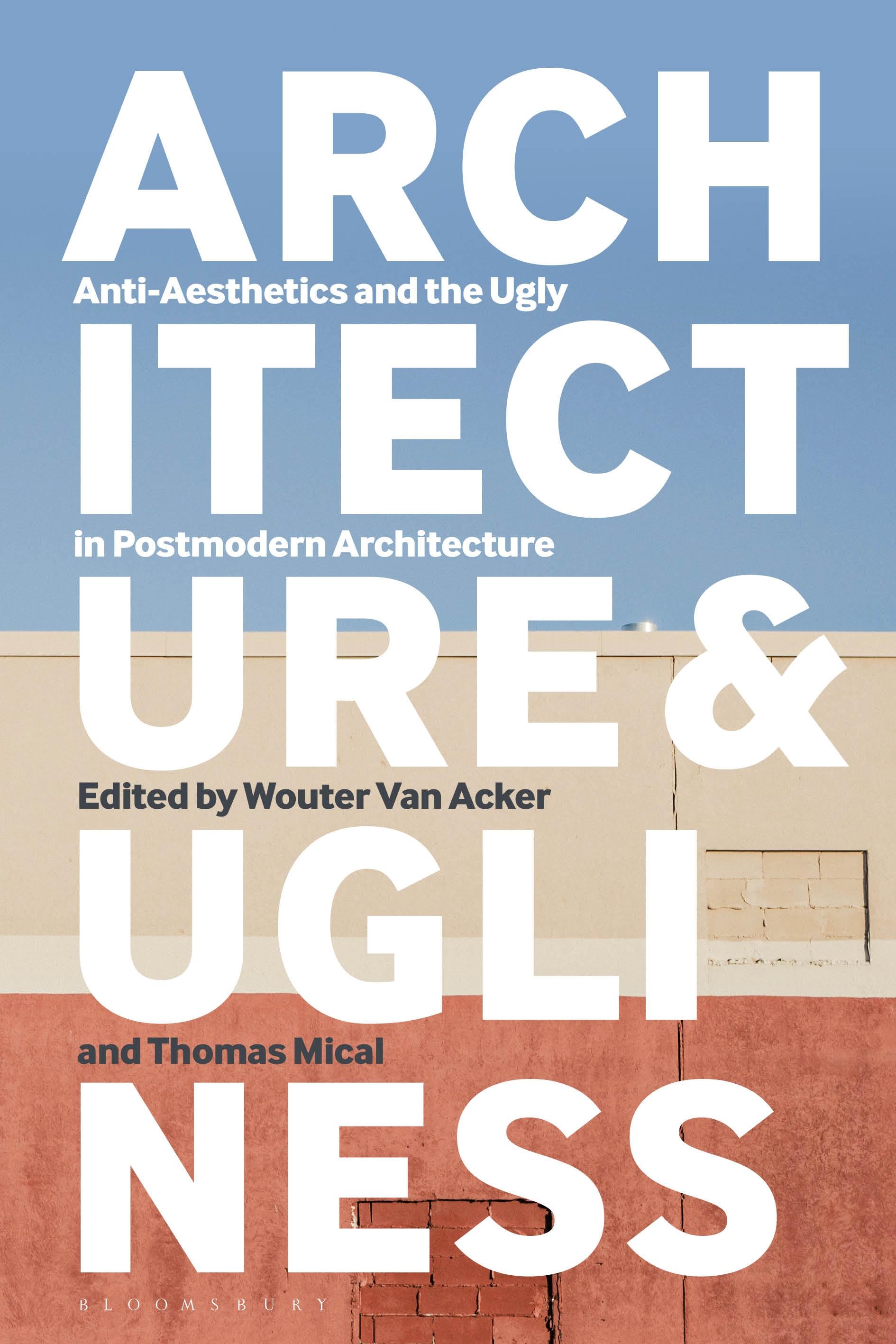
Whatever 'ugliness' is, it remains a problematic category in architectural aesthetics – alternately vilified and appropriated, used either to shock or to invert conventions of architecture.
This book presents sixteen new scholarly essays which rethink ugliness in recent architecture – from Brutalism to eclectic postmodern architectural productions – and together offer a diverse reappraisal of the history and theory of postmodern architecture and design. The essays address both broad theoretical questions on ugliness and postmodern aesthetics, as well as more specific analyses of significant architectural examples dating from the last decades of the twentieth century. The book attends to the diverse relations between the aesthetic register of ugliness and closely connected aesthetic concepts such as the monstrous, the ordinary, disgust, the excessive, the grotesque, the interesting, the impure and the sublime.
This volume does not simply document the history of a postmodern anti-aesthetic through case studies. Instead, it aims to shed light on aesthetic problems that have been largely overlooked in the agenda of architectural theory. This book answers in detail the questions: How did postmodern architects appropriate troublesome contradictions bound to the raw ugliness of the real? How have the ugly and the antiaesthetic been a productive force in postmodern architecture? How can ugliness be of value to architecture? And how can architecture make good use of ugliness?
This book presents sixteen new scholarly essays which rethink ugliness in recent architecture – from Brutalism to eclectic postmodern architectural productions – and together offer a diverse reappraisal of the history and theory of postmodern architecture and design. The essays address both broad theoretical questions on ugliness and postmodern aesthetics, as well as more specific analyses of significant architectural examples dating from the last decades of the twentieth century. The book attends to the diverse relations between the aesthetic register of ugliness and closely connected aesthetic concepts such as the monstrous, the ordinary, disgust, the excessive, the grotesque, the interesting, the impure and the sublime.
This volume does not simply document the history of a postmodern anti-aesthetic through case studies. Instead, it aims to shed light on aesthetic problems that have been largely overlooked in the agenda of architectural theory. This book answers in detail the questions: How did postmodern architects appropriate troublesome contradictions bound to the raw ugliness of the real? How have the ugly and the antiaesthetic been a productive force in postmodern architecture? How can ugliness be of value to architecture? And how can architecture make good use of ugliness?
Strony: 304
Kategoria: Arkitektur & Stadsplanering
e-ISBN: 9781350068254
Waga przesyłki: 1.2 kg
Wysyłka w ciągu: 1-2 dni
Płać wygodnie kartą, Klarną, Apple Pay lub Google Pay. Nie jesteś zadowolony? Zawsze masz 14-dniową gwarancję zwrotu pieniędzy. Więcej przeczytasz w naszych warunkach. Masz pytania? Napisz do nas na hello@memmo.org.
Memmo ułatwia naukę – gdziekolwiek jesteś na świecie. U nas znajdziesz podręczniki i sprytne narzędzia do nauki w jednym miejscu: streszczenia, quizy, podcasty i fiszki. A do tego Ted, Twój kumpel do nauki, który odpowie na wszystko, co Cię nurtuje. Ponad 50 000 studentów już tu się uczy – stworzone, byś uczył się szybciej i mniej stresował.