
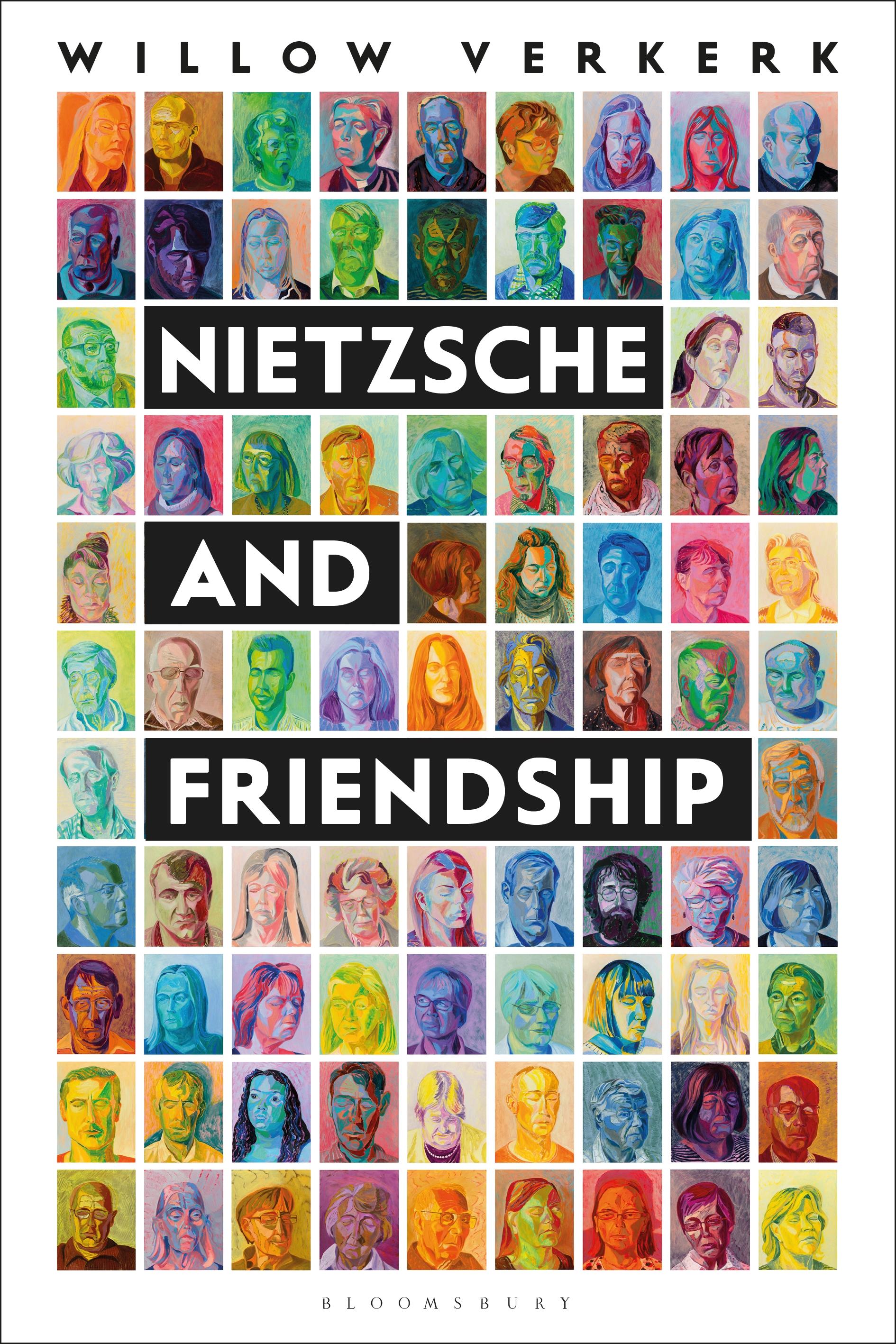
In Nietzsche and Friendship, Willow Verkerk provides a new and provocative account of Nietzsche's philosophy which identifies him as an agonistic thinker concerned with the topics of love and friendship. She argues that Nietzsche's challenges to the received principles of friendship from Aristotle to Kant offer resources for reinvigorating our thinking about friendship today. Through an examination of his free spirit texts, Human, All Too Human, Daybreak and The Gay Science together with Thus Spoke Zarathustra and Beyond Good and Evil, Verkerk unlocks key aspects of Nietzsche's thinking on friendship, love, 'woman', the self, self-overcoming, virtue, and character. She questions Nietzsche's misogyny, but also considers the emancipatory potential of his writing by brining him into dialogue with postmodern, feminist, and transgender thinkers. This book revives interest in the ethical, therapeutic, and political dimensions of Nietzsche's philosophy.
Płać wygodnie kartą, Klarną, Apple Pay lub Google Pay. Nie jesteś zadowolony? Zawsze masz 14-dniową gwarancję zwrotu pieniędzy. Więcej przeczytasz w naszych warunkach. Masz pytania? Napisz do nas na hello@memmo.org.
Memmo ułatwia naukę – gdziekolwiek jesteś na świecie. U nas znajdziesz podręczniki i sprytne narzędzia do nauki w jednym miejscu: streszczenia, quizy, podcasty i fiszki. A do tego Ted, Twój kumpel do nauki, który odpowie na wszystko, co Cię nurtuje. Ponad 50 000 studentów już tu się uczy – stworzone, byś uczył się szybciej i mniej stresował.