
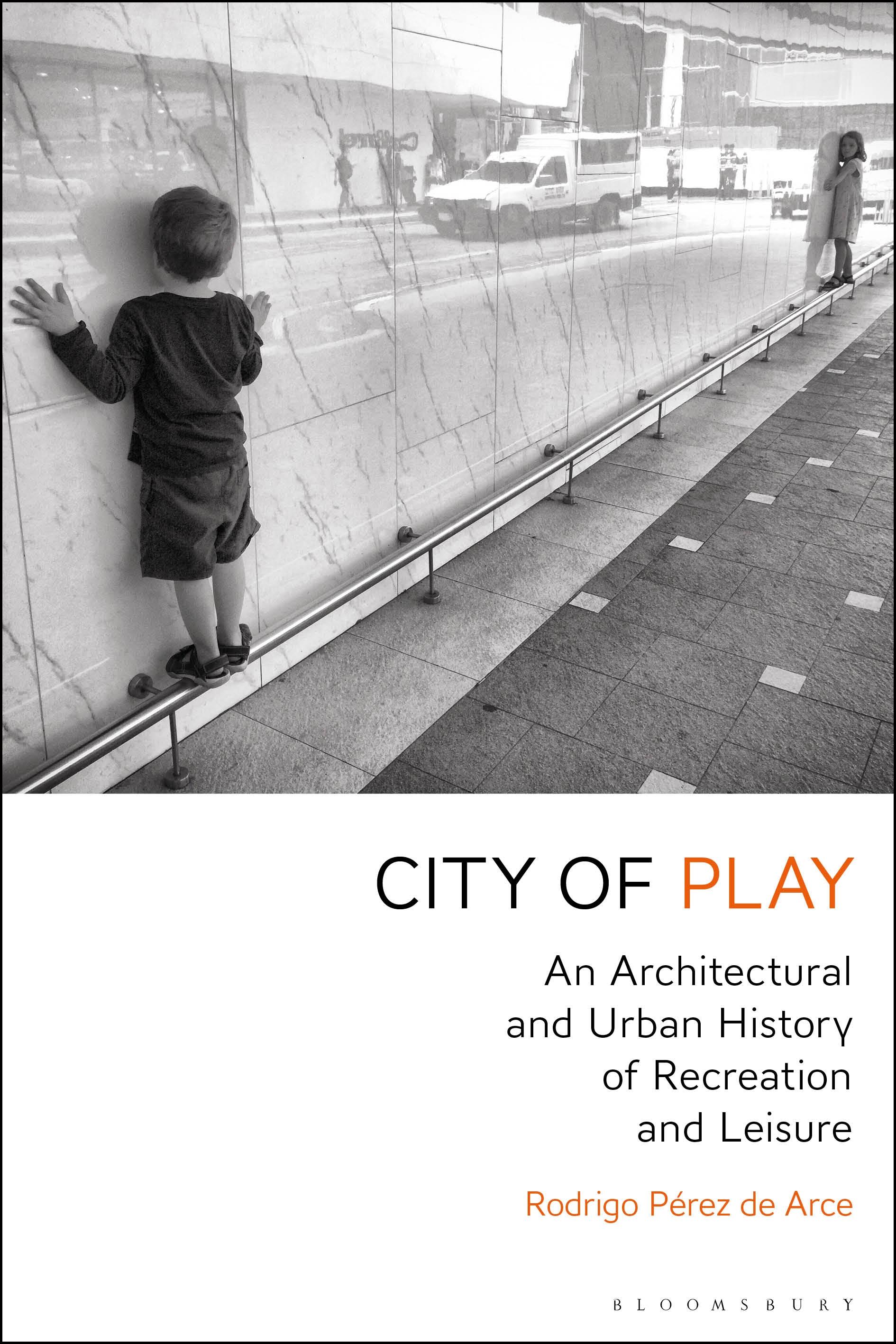
City of Play shows how play is built into the very fabric of the modern city. From playgrounds to theme parks, skittle alleys to swimming pools, to the countless uncontrolled spaces which the urban habitat affords – play is by no means just a childhood affair. A myriad essentially unproductive playful pursuits have, through time, modelled the modern city and landscape.
Architect and scholar Rodrigo Pérez de Arce's erudite, original, and often surprising study explores a curiously neglected dimension of architectural design and practice: ludic space. It is an architectural history of the playground – from the hippodrome to the Situationist city – of space released from productive ends in the pursuit of leisure. But this is more than just a book about how architecture has incorporated play into its spaces and structures, it is a history of the modern city itself. The ludic imagination impregnated modernist ideals, and what begins with the playground ends with a re-consideration of the whole sweep of the modern movement through the filter of leisure and play.
Because play is such a basic or fundamental human experience, the book re-grounds the architect's concerns with those of non-architects – and not only those of adults but also of children. It seeks to give everyone – architects and other ordinary city-dwellers alike – a better understanding about what is at stake in the making of the public spaces of our cities.
Architect and scholar Rodrigo Pérez de Arce's erudite, original, and often surprising study explores a curiously neglected dimension of architectural design and practice: ludic space. It is an architectural history of the playground – from the hippodrome to the Situationist city – of space released from productive ends in the pursuit of leisure. But this is more than just a book about how architecture has incorporated play into its spaces and structures, it is a history of the modern city itself. The ludic imagination impregnated modernist ideals, and what begins with the playground ends with a re-consideration of the whole sweep of the modern movement through the filter of leisure and play.
Because play is such a basic or fundamental human experience, the book re-grounds the architect's concerns with those of non-architects – and not only those of adults but also of children. It seeks to give everyone – architects and other ordinary city-dwellers alike – a better understanding about what is at stake in the making of the public spaces of our cities.
Strony: 296
Kategoria: Arkitektur & Stadsplanering
e-ISBN: 9781350032156
Waga przesyłki: 1.2 kg
Wysyłka w ciągu: 1-2 dni
Płać wygodnie kartą, Klarną, Apple Pay lub Google Pay. Nie jesteś zadowolony? Zawsze masz 14-dniową gwarancję zwrotu pieniędzy. Więcej przeczytasz w naszych warunkach. Masz pytania? Napisz do nas na hello@memmo.org.
Memmo ułatwia naukę – gdziekolwiek jesteś na świecie. U nas znajdziesz podręczniki i sprytne narzędzia do nauki w jednym miejscu: streszczenia, quizy, podcasty i fiszki. A do tego Ted, Twój kumpel do nauki, który odpowie na wszystko, co Cię nurtuje. Ponad 50 000 studentów już tu się uczy – stworzone, byś uczył się szybciej i mniej stresował.