
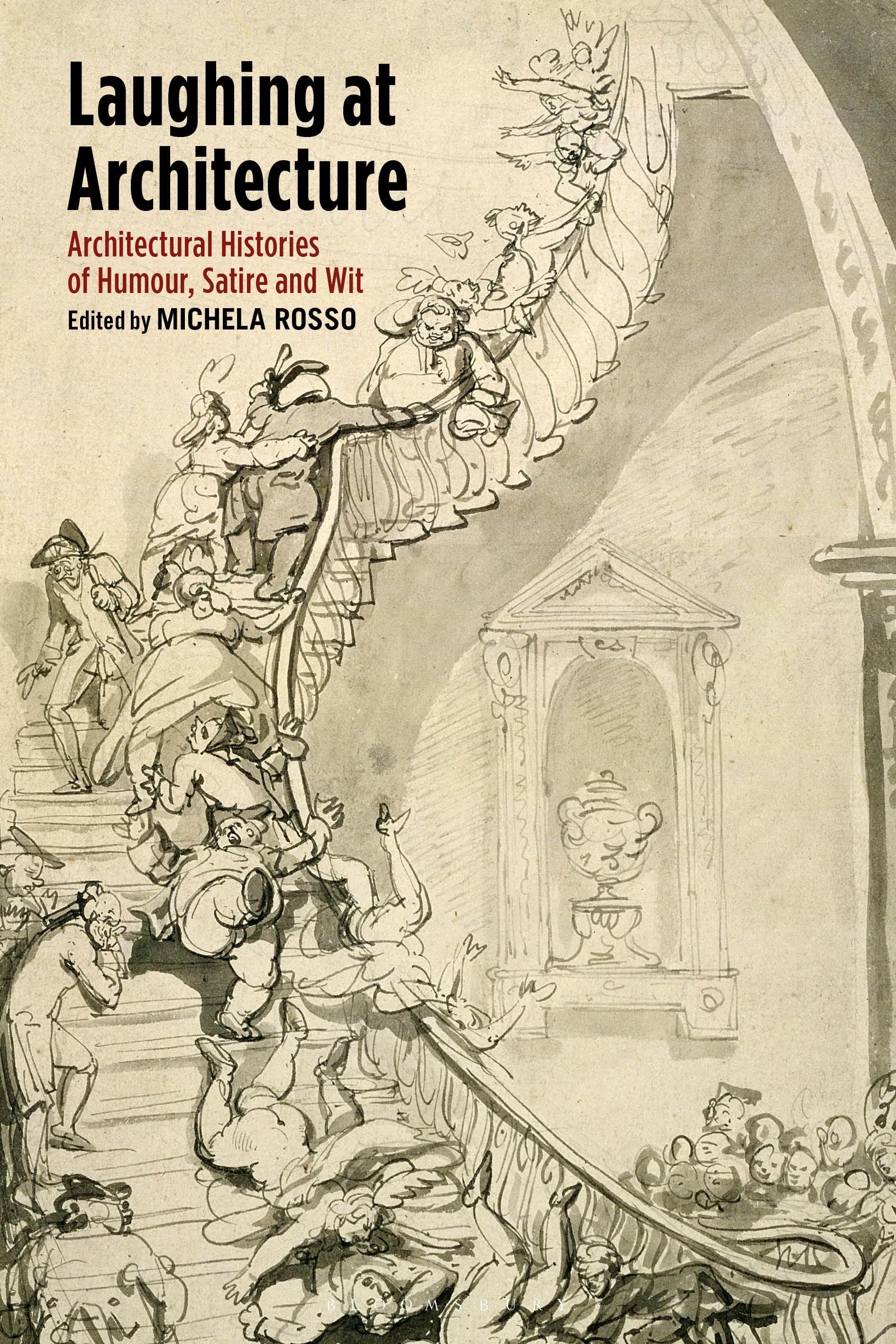
In a media-saturated world, humour stands out as a form of social communication that is especially effective in re-appropriating and questioning architectural and urban culture. Whether illuminating the ambivalences of metropolitan life or exposing the shock of modernisation, cartoons, caricature, and parody have long been potent agents of architectural criticism, protest and opposition.
In a novel contribution to the field of architectural history, this book outlines a survey of visual and textual humour as applied to architecture, its artefacts and leading professionals. Employing a wide variety of visual and literary sources (prints, the illustrated press, advertisements, theatrical representations, cinema and TV), thirteen essays explore an array of historical subjects concerning the critical reception of projects, buildings and cities through the means of caricature and parody. Subjects range from 1750 to the present, and from Europe and the USA to contemporary China. From William Hogarth and George Cruikshank to Osbert Lancaster, Adolf Loos' satire, and Saul Steinberg's celebrated cartoons of New York City, graphic and descriptive humour is shown to be an enormously fruitful, yet largely unexplored terrain of investigation for the architectural and urban historian.
In a novel contribution to the field of architectural history, this book outlines a survey of visual and textual humour as applied to architecture, its artefacts and leading professionals. Employing a wide variety of visual and literary sources (prints, the illustrated press, advertisements, theatrical representations, cinema and TV), thirteen essays explore an array of historical subjects concerning the critical reception of projects, buildings and cities through the means of caricature and parody. Subjects range from 1750 to the present, and from Europe and the USA to contemporary China. From William Hogarth and George Cruikshank to Osbert Lancaster, Adolf Loos' satire, and Saul Steinberg's celebrated cartoons of New York City, graphic and descriptive humour is shown to be an enormously fruitful, yet largely unexplored terrain of investigation for the architectural and urban historian.
Strony: 288
Kategoria: Arkitektur & Stadsplanering
e-ISBN: 9781350022768
Waga przesyłki: 1.2 kg
Wysyłka w ciągu: 1-2 dni
Płać wygodnie kartą, Klarną, Apple Pay lub Google Pay. Nie jesteś zadowolony? Zawsze masz 14-dniową gwarancję zwrotu pieniędzy. Więcej przeczytasz w naszych warunkach. Masz pytania? Napisz do nas na hello@memmo.org.
Memmo ułatwia naukę – gdziekolwiek jesteś na świecie. U nas znajdziesz podręczniki i sprytne narzędzia do nauki w jednym miejscu: streszczenia, quizy, podcasty i fiszki. A do tego Ted, Twój kumpel do nauki, który odpowie na wszystko, co Cię nurtuje. Ponad 50 000 studentów już tu się uczy – stworzone, byś uczył się szybciej i mniej stresował.