
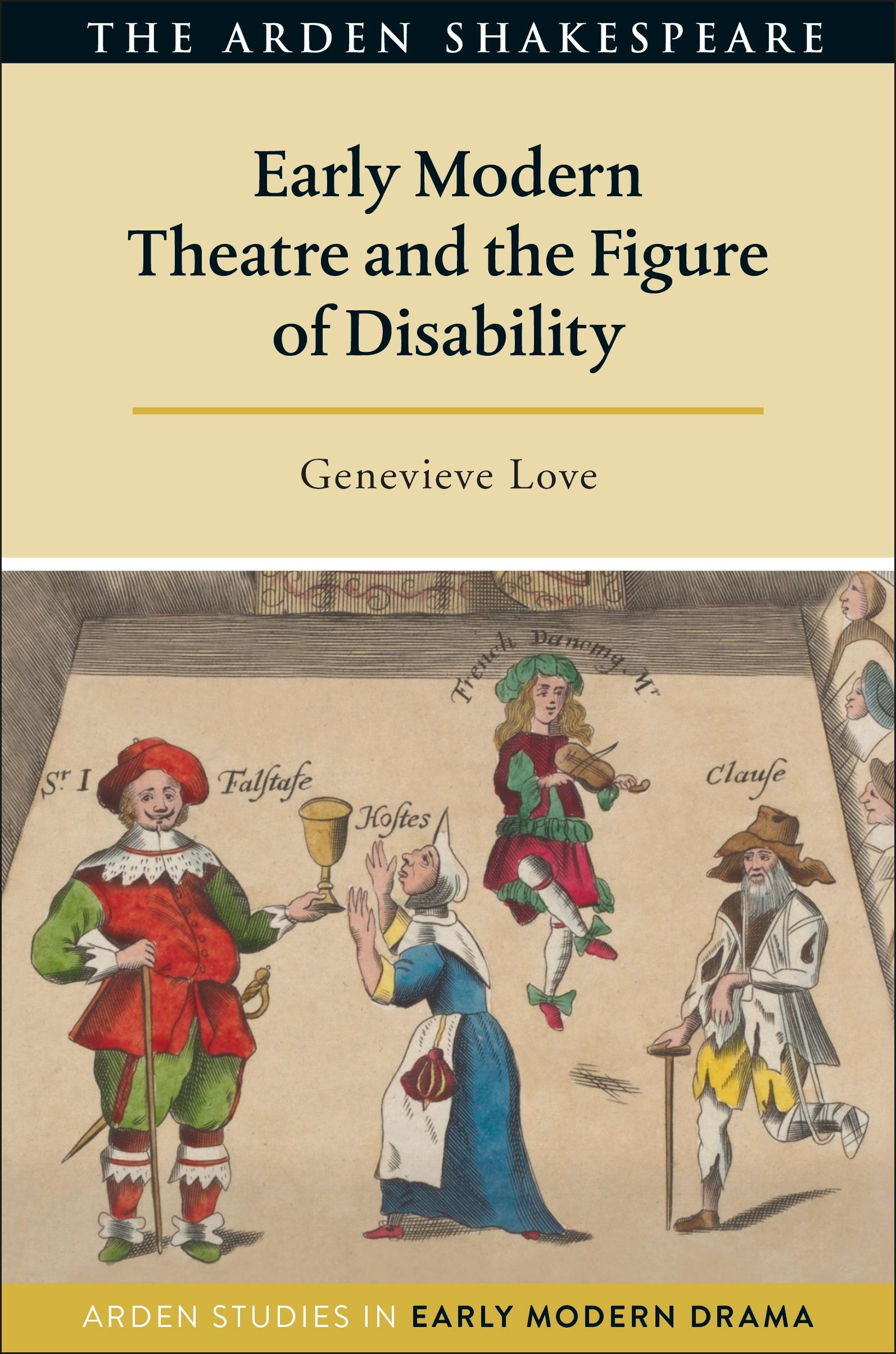
What work did physically disabled characters do for the early modern theatre? Through a consideration of a range of plays, including Doctor Faustus and Richard III, Genevieve Love argues that the figure of the physically disabled prosthetic body in early modern English theatre mediates a set of related 'likeness problems' that structure the theatrical, textual, and critical lives of the plays of Shakespeare and his contemporaries.
The figure of disability stands for the relationship between actor and character: prosthetic disabled characters with names such as Cripple and Stump capture the simultaneous presence of thefictional and the material, embodied world of the theatre. When the figure of the disabled body exits the stage, it also mediates a second problem of likeness, between plays in their performed and textual forms. While supposedly imperfect textual versions of plays have been characterized as 'lame', the dynamic movement of prosthetic disabled characters in the theatre expands the figural role which disability performs in the relationship between plays on the stage and on the page.
Early Modern Theatre and the Figure of Disability reveals how attention to physical disability enriches our understanding of early modern ideas about how theatre works, while illuminating in turn how theatre offers a reframing of disability as metaphor.
The figure of disability stands for the relationship between actor and character: prosthetic disabled characters with names such as Cripple and Stump capture the simultaneous presence of thefictional and the material, embodied world of the theatre. When the figure of the disabled body exits the stage, it also mediates a second problem of likeness, between plays in their performed and textual forms. While supposedly imperfect textual versions of plays have been characterized as 'lame', the dynamic movement of prosthetic disabled characters in the theatre expands the figural role which disability performs in the relationship between plays on the stage and on the page.
Early Modern Theatre and the Figure of Disability reveals how attention to physical disability enriches our understanding of early modern ideas about how theatre works, while illuminating in turn how theatre offers a reframing of disability as metaphor.
Strony: 224
Kategoria: Drama, Teater & Scenkonst
e-ISBN: 9781350017214
Waga przesyłki: 1.2 kg
Wysyłka w ciągu: 1-2 dni
Płać wygodnie kartą, Klarną, Apple Pay lub Google Pay. Nie jesteś zadowolony? Zawsze masz 14-dniową gwarancję zwrotu pieniędzy. Więcej przeczytasz w naszych warunkach. Masz pytania? Napisz do nas na hello@memmo.org.
Memmo ułatwia naukę – gdziekolwiek jesteś na świecie. U nas znajdziesz podręczniki i sprytne narzędzia do nauki w jednym miejscu: streszczenia, quizy, podcasty i fiszki. A do tego Ted, Twój kumpel do nauki, który odpowie na wszystko, co Cię nurtuje. Ponad 50 000 studentów już tu się uczy – stworzone, byś uczył się szybciej i mniej stresował.