
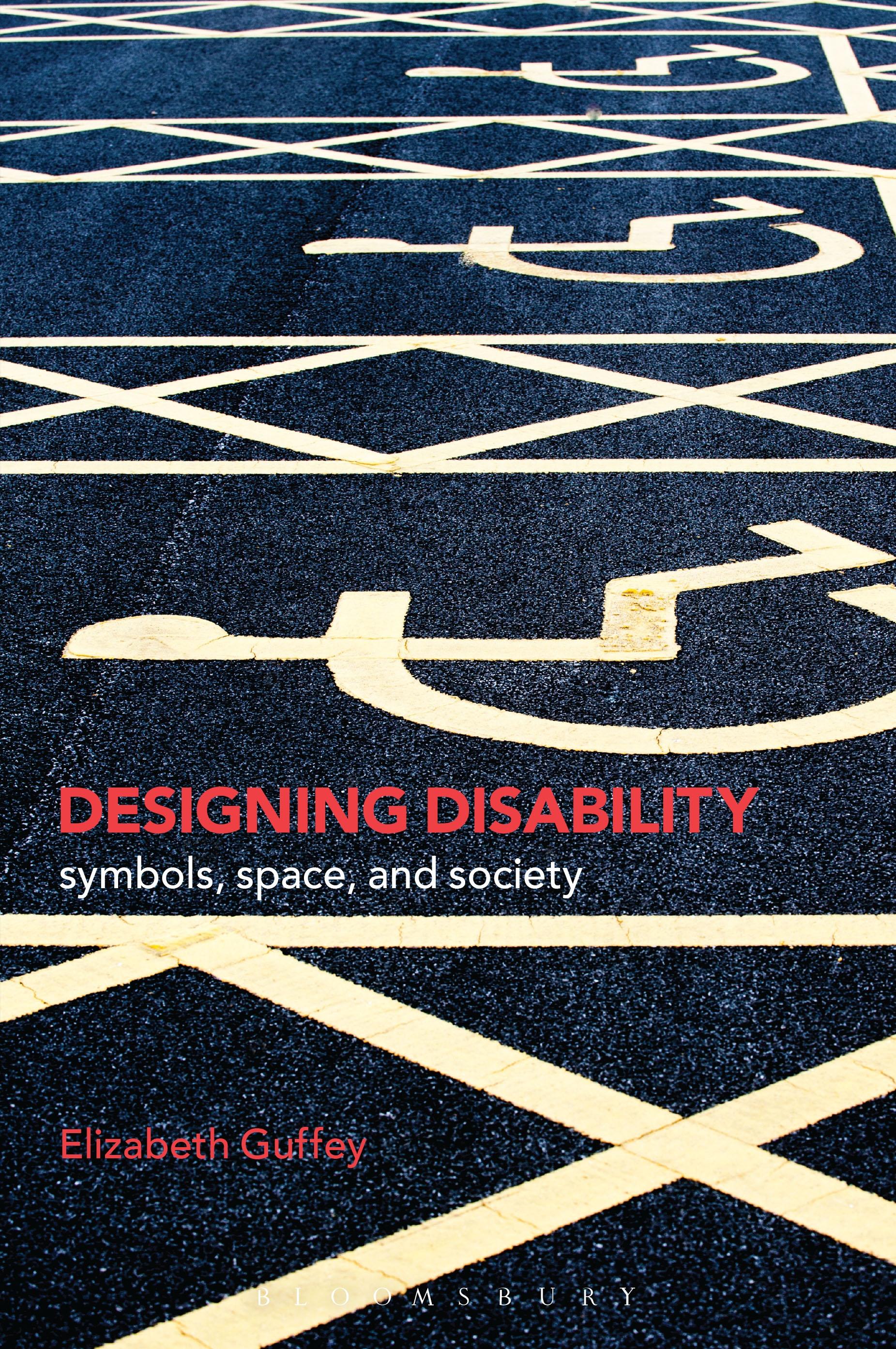
Designing Disability traces the emergence of an idea and an ideal – physical access for the disabled – through the evolution of the iconic International Symbol of Access (ISA). The book draws on design history, material culture and recent critical disability studies to examine not only the development of a design icon, but also the cultural history surrounding it.
Infirmity and illness may be seen as part of human experience, but 'disability' is a social construct, a way of thinking about and responding to a natural human condition. Elizabeth Guffey's highly original and wide-ranging study considers the period both before and after the introduction of the ISA, tracing the design history of the wheelchair, a product which revolutionised the mobility needs of many disabled people from the 1930s onwards. She also examines the rise of 'barrier-free architecture' in the reception of the ISA, and explores how the symbol became widely adopted and even a mark of identity for some, especially within the Disability Rights Movement.
Yet despite the social progress which is inextricably linked to the ISA, a growing debate has unfurled around the symbol and its meanings. The most vigorous critiques today have involved guerrilla art, graffiti and studio practice, reflecting new challenges to the relationship between design and disability in the twenty-first century.
Infirmity and illness may be seen as part of human experience, but 'disability' is a social construct, a way of thinking about and responding to a natural human condition. Elizabeth Guffey's highly original and wide-ranging study considers the period both before and after the introduction of the ISA, tracing the design history of the wheelchair, a product which revolutionised the mobility needs of many disabled people from the 1930s onwards. She also examines the rise of 'barrier-free architecture' in the reception of the ISA, and explores how the symbol became widely adopted and even a mark of identity for some, especially within the Disability Rights Movement.
Yet despite the social progress which is inextricably linked to the ISA, a growing debate has unfurled around the symbol and its meanings. The most vigorous critiques today have involved guerrilla art, graffiti and studio practice, reflecting new challenges to the relationship between design and disability in the twenty-first century.
Strony: 240
Kategoria: Konst, Design & Fotografi
e-ISBN: 9781350004269
Waga przesyłki: 1.2 kg
Wysyłka w ciągu: 1-2 dni
Płać wygodnie kartą, Klarną, Apple Pay lub Google Pay. Nie jesteś zadowolony? Zawsze masz 14-dniową gwarancję zwrotu pieniędzy. Więcej przeczytasz w naszych warunkach. Masz pytania? Napisz do nas na hello@memmo.org.
Memmo ułatwia naukę – gdziekolwiek jesteś na świecie. U nas znajdziesz podręczniki i sprytne narzędzia do nauki w jednym miejscu: streszczenia, quizy, podcasty i fiszki. A do tego Ted, Twój kumpel do nauki, który odpowie na wszystko, co Cię nurtuje. Ponad 50 000 studentów już tu się uczy – stworzone, byś uczył się szybciej i mniej stresował.