
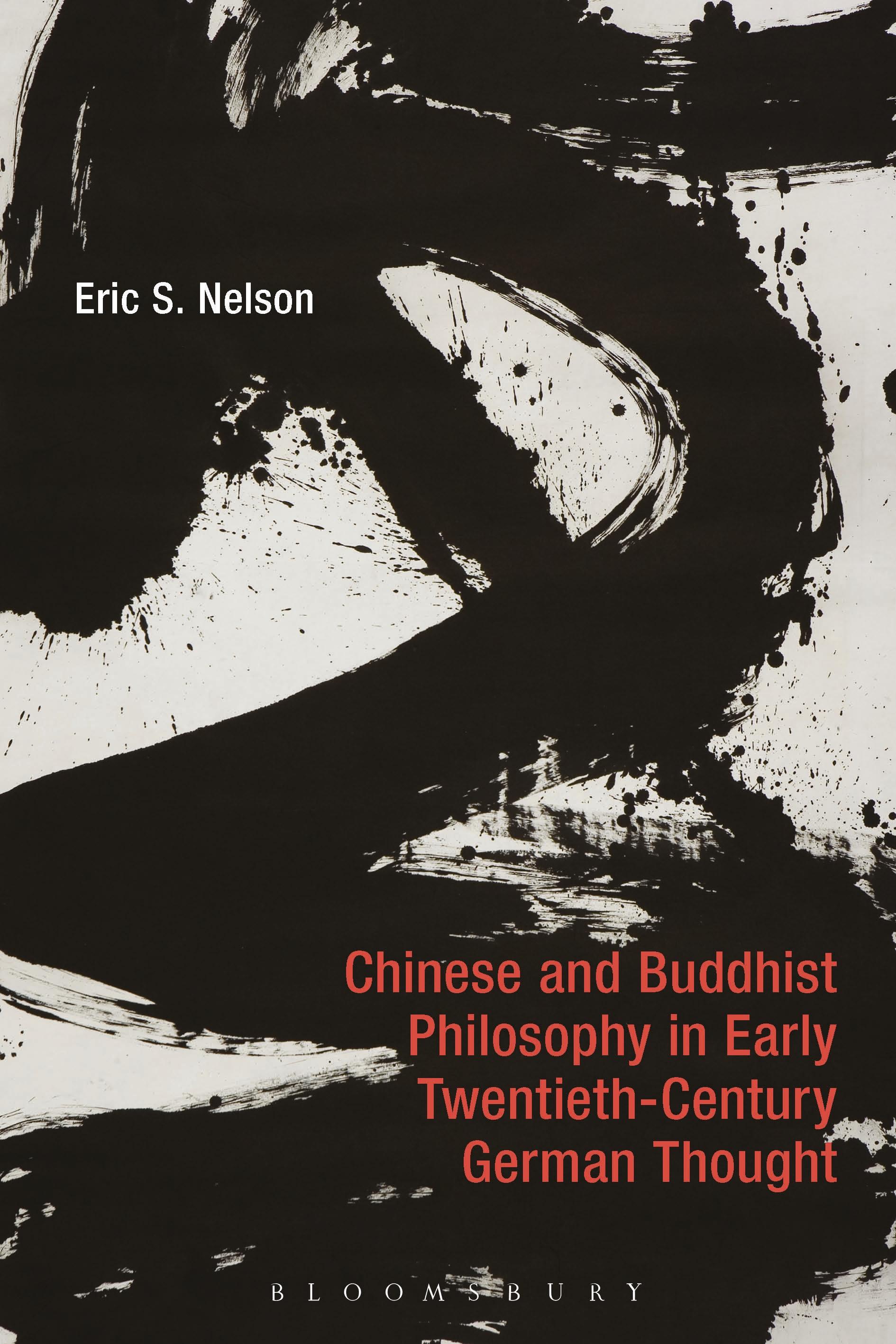
Presenting a comprehensive portrayal of the reading of Chinese and Buddhist philosophy in early twentieth-century German thought, Chinese and Buddhist Philosophy in Early Twentieth-Century German Thought examines the implications of these readings for contemporary issues in comparative and intercultural philosophy.
Through a series of case studies from the late 19th-century and early 20th-century, Eric Nelson focuses on the reception and uses of Confucianism, Daoism, and Buddhism in German philosophy, covering figures as diverse as Buber, Heidegger, and Misch. He argues that the growing intertextuality between traditions cannot be appropriately interpreted through notions of exclusive identities, closed horizons, or unitary traditions. Providing an account of the context, motivations, and hermeneutical strategies of early twentieth-century European thinkers' interpretation of Asian philosophy, Nelson also throws new light on the question of the relation between Heidegger and Asian philosophy. Reflecting the growing interest in the possibility of intercultural and global philosophy, Chinese and Buddhist Philosophy in Early Twentieth-Century German Thought opens up the possibility of a more inclusive intercultural conception of philosophy.
Through a series of case studies from the late 19th-century and early 20th-century, Eric Nelson focuses on the reception and uses of Confucianism, Daoism, and Buddhism in German philosophy, covering figures as diverse as Buber, Heidegger, and Misch. He argues that the growing intertextuality between traditions cannot be appropriately interpreted through notions of exclusive identities, closed horizons, or unitary traditions. Providing an account of the context, motivations, and hermeneutical strategies of early twentieth-century European thinkers' interpretation of Asian philosophy, Nelson also throws new light on the question of the relation between Heidegger and Asian philosophy. Reflecting the growing interest in the possibility of intercultural and global philosophy, Chinese and Buddhist Philosophy in Early Twentieth-Century German Thought opens up the possibility of a more inclusive intercultural conception of philosophy.
Płać wygodnie kartą, Klarną, Apple Pay lub Google Pay. Nie jesteś zadowolony? Zawsze masz 14-dniową gwarancję zwrotu pieniędzy. Więcej przeczytasz w naszych warunkach. Masz pytania? Napisz do nas na hello@memmo.org.
Memmo ułatwia naukę – gdziekolwiek jesteś na świecie. U nas znajdziesz podręczniki i sprytne narzędzia do nauki w jednym miejscu: streszczenia, quizy, podcasty i fiszki. A do tego Ted, Twój kumpel do nauki, który odpowie na wszystko, co Cię nurtuje. Ponad 50 000 studentów już tu się uczy – stworzone, byś uczył się szybciej i mniej stresował.