
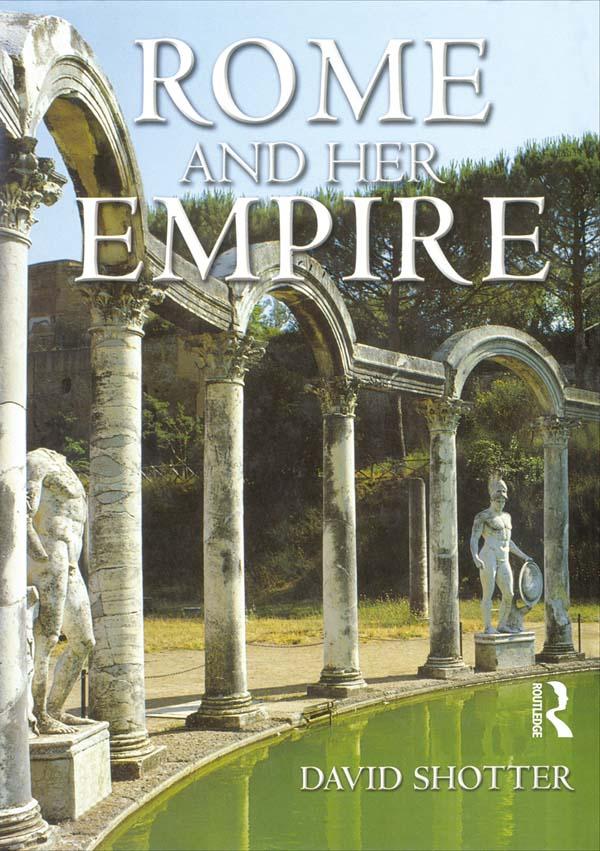
The name of Rome excites a picture of power and organisation, as do the widely-spread ruins that Roman civilization left behind. Yet Rome grew out of a collection of small villages and major developments such as the growth of Empire were unplanned and completely unprepared for.Influenced by a small number of self-interested aristocrats who lacked a broader vision, Rome was often threatened by their intrigues. Brought to the ground on a number of occasions, its leaders were able to snatch victory from the jaws of defeat. How did Rome survive for nearly 1000 years, ruling over millions of people with few instances of internal rebellion? David Shotter argues that the key was the way Rome managed to adapt to new circumstances, without at the same time discarding too many of its cherished traditions.
Płać wygodnie kartą, Klarną, Apple Pay lub Google Pay. Nie jesteś zadowolony? Zawsze masz 14-dniową gwarancję zwrotu pieniędzy. Więcej przeczytasz w naszych warunkach. Masz pytania? Napisz do nas na hello@memmo.org.
Memmo ułatwia naukę – gdziekolwiek jesteś na świecie. U nas znajdziesz podręczniki i sprytne narzędzia do nauki w jednym miejscu: streszczenia, quizy, podcasty i fiszki. A do tego Ted, Twój kumpel do nauki, który odpowie na wszystko, co Cię nurtuje. Ponad 50 000 studentów już tu się uczy – stworzone, byś uczył się szybciej i mniej stresował.
Może Ci się spodobać
Kup książkę0