
Are emotions good or bad for thinking and learning?
Have you ever wondered why a good lesson of one year falls flat in another?
Why do students behave the way they do?
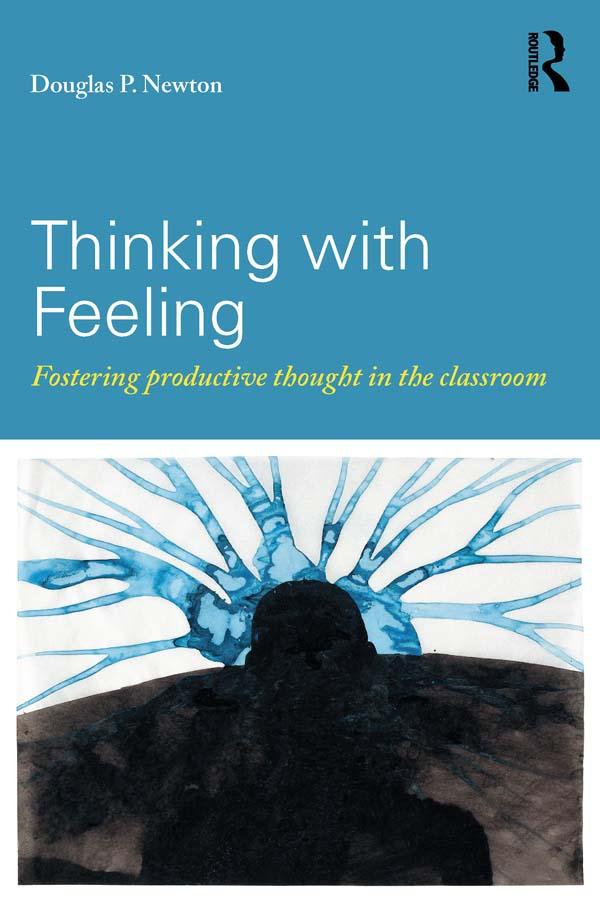
Teachers are expected to foster productive thought yet the neglect of emotion in the classroom, in favour of intellect, means teaching and learning is often not as effective as it might be. Thinking with Feeling explores what we mean by productive thought, its interrelationship with mood and emotions, how teachers can manage that interaction to improve teaching and learning, and what teacher trainers could do about it.
Synthesising the most important international research in the field, it offers a framework for productive, purposeful thought - deduction, understanding, creative thinking, wise thinking, and critical thinking - and explains how mood and emotion can support and also impede learning. It considers the effect of the interplay of emotion and intellect on classroom behaviour, on students’ public performance and performance in tests, and how emotional labour can affect the teacher.
Illustrated with examples from practice, this challenging, thoughtful study offers education professionals a basis for understanding the interaction of emotions and cognition and making it a successful partnership in order to improve teaching and learning.
Płać wygodnie kartą, Klarną, Apple Pay lub Google Pay. Nie jesteś zadowolony? Zawsze masz 14-dniową gwarancję zwrotu pieniędzy. Więcej przeczytasz w naszych warunkach. Masz pytania? Napisz do nas na hello@memmo.org.
Memmo ułatwia naukę – gdziekolwiek jesteś na świecie. U nas znajdziesz podręczniki i sprytne narzędzia do nauki w jednym miejscu: streszczenia, quizy, podcasty i fiszki. A do tego Ted, Twój kumpel do nauki, który odpowie na wszystko, co Cię nurtuje. Ponad 50 000 studentów już tu się uczy – stworzone, byś uczył się szybciej i mniej stresował.