
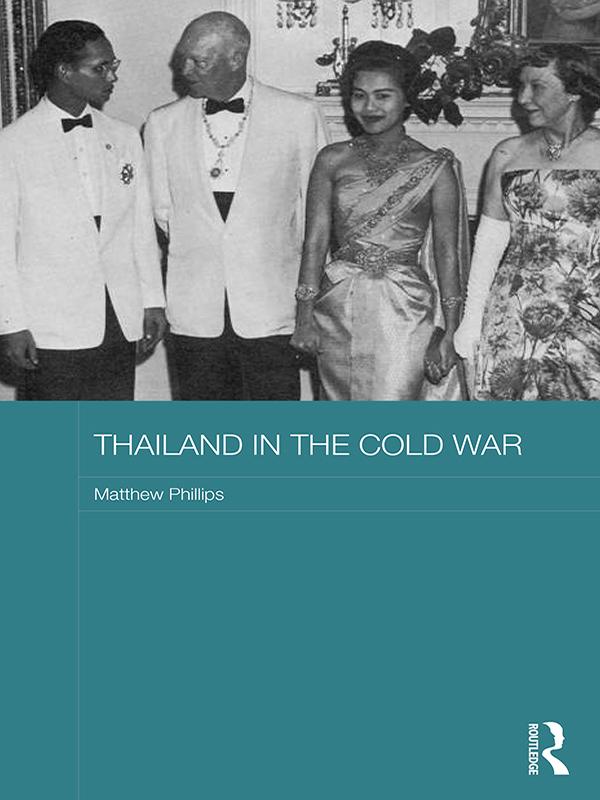
Thailand’s position during the Cold War was ambiguous: the country’s political leadership was very keen to maintain the country’s independence on the world stage, yet at the same time was anxious to establish the country’s credentials as staunchly anti-communist. However, as this book argues, Thailand, though never formally a client state of the United States, was very closely embedded in the Western camp through the commitment of Thailand’s cosmopolitan urban communities to developing a modern, consumerist lifestyle. Considering popular culture, including film, literature, fashion, tourism and attitudes towards Buddhism, the book shows how an ideology of consumerism and integration into a "free world" culture centred in the United States gradually took hold and became firmly established, and how this popular culture and ideology was fundamental in determining Thailand’s international political alignment.
Płać wygodnie kartą, Klarną, Apple Pay lub Google Pay. Nie jesteś zadowolony? Zawsze masz 14-dniową gwarancję zwrotu pieniędzy. Więcej przeczytasz w naszych warunkach. Masz pytania? Napisz do nas na hello@memmo.org.
Memmo ułatwia naukę – gdziekolwiek jesteś na świecie. U nas znajdziesz podręczniki i sprytne narzędzia do nauki w jednym miejscu: streszczenia, quizy, podcasty i fiszki. A do tego Ted, Twój kumpel do nauki, który odpowie na wszystko, co Cię nurtuje. Ponad 50 000 studentów już tu się uczy – stworzone, byś uczył się szybciej i mniej stresował.