
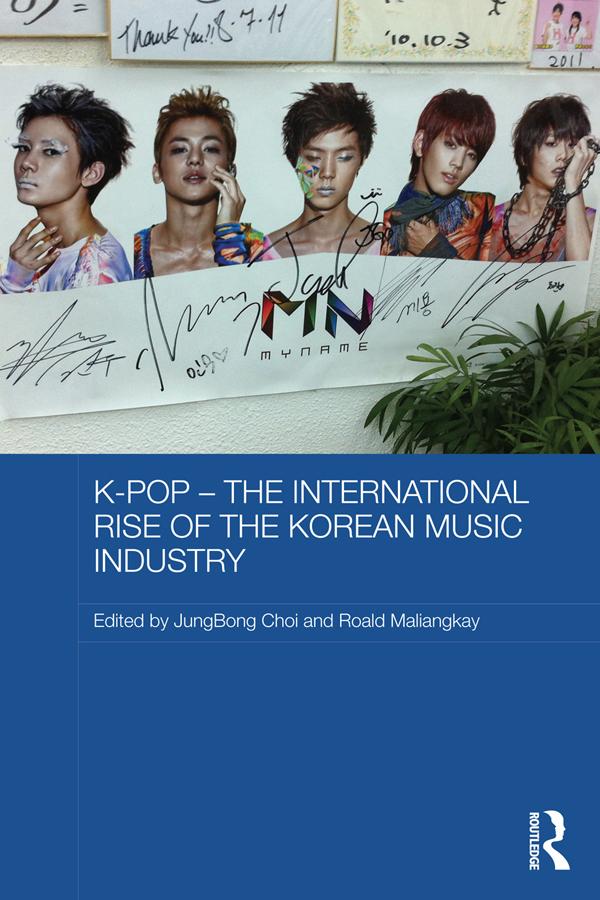
K-pop, described by Time Magazine in 2012 as "South Korea’s greatest export", has rapidly achieved a large worldwide audience of devoted fans largely through distribution over the Internet. This book examines the phenomenon, and discusses the reasons for its success. It considers the national and transnational conditions that have played a role in K-pop’s ascendancy, and explores how they relate to post-colonial modernisation, post-Cold War politics in East Asia, connections with the Korean diaspora, and the state-initiated campaign to accumulate soft power. As it is particularly concerned with fandom and cultural agency, it analyses fan practices, discourses, and underlying psychologies within their local habitus as well as in expanding topographies of online networks. Overall, the book addresses the question of how far "Asian culture" can be global in a truly meaningful way, and how popular culture from a "marginal" nation has become a global phenomenon.
Płać wygodnie kartą, Klarną, Apple Pay lub Google Pay. Nie jesteś zadowolony? Zawsze masz 14-dniową gwarancję zwrotu pieniędzy. Więcej przeczytasz w naszych warunkach. Masz pytania? Napisz do nas na hello@memmo.org.
Memmo ułatwia naukę – gdziekolwiek jesteś na świecie. U nas znajdziesz podręczniki i sprytne narzędzia do nauki w jednym miejscu: streszczenia, quizy, podcasty i fiszki. A do tego Ted, Twój kumpel do nauki, który odpowie na wszystko, co Cię nurtuje. Ponad 50 000 studentów już tu się uczy – stworzone, byś uczył się szybciej i mniej stresował.