
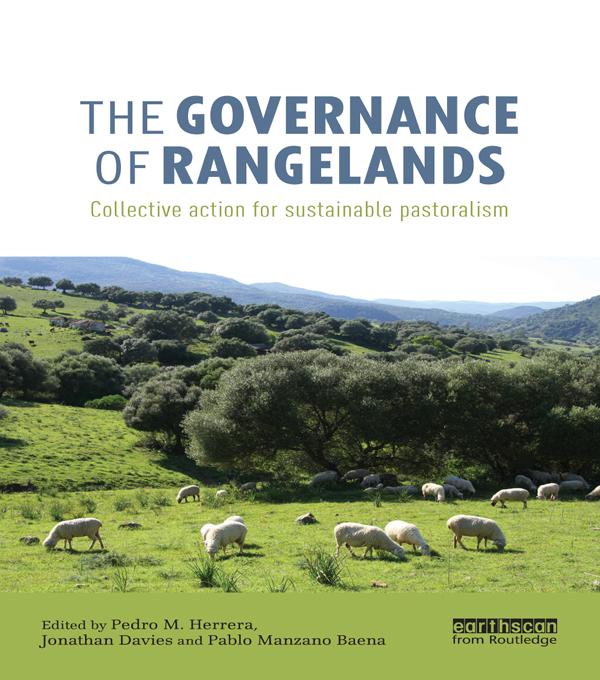
Rangelands are large natural landscapes that can include grasslands, shrublands, savannahs and woodlands. They are greatly influenced by, and often dependent on, the action of herbivores. In the majority of rangelands the dominant herbivores are found in domestic herds that are managed by mobile pastoralists. Most pastoralists manage their rangelands communally, benefitting from the greater flexibility and seasonal resource access that common property regimes can offer. As this book shows, this creates a major challenge for governance and institutions.
This work improves our understanding of the importance of governance, how it can be strengthened and the principles that underpin good governance, in order to prevent degradation of rangelands and ensure their sustainability. It describes the nature of governance at different levels: community governance, state governance, international governance, and the unique features of rangelands that demand collective action (issues of scale, ecological disequilibrium and seasonality).
A series of country case studies is presented, drawn from a wide spectrum of examples from Africa, the Middle East, Central Asia, Europe and North America. These provide contrasting lessons which are summarised to promote improved governance of rangelands and pastoralist livelihoods.
Płać wygodnie kartą, Klarną, Apple Pay lub Google Pay. Nie jesteś zadowolony? Zawsze masz 14-dniową gwarancję zwrotu pieniędzy. Więcej przeczytasz w naszych warunkach. Masz pytania? Napisz do nas na hello@memmo.org.
Memmo ułatwia naukę – gdziekolwiek jesteś na świecie. U nas znajdziesz podręczniki i sprytne narzędzia do nauki w jednym miejscu: streszczenia, quizy, podcasty i fiszki. A do tego Ted, Twój kumpel do nauki, który odpowie na wszystko, co Cię nurtuje. Ponad 50 000 studentów już tu się uczy – stworzone, byś uczył się szybciej i mniej stresował.