
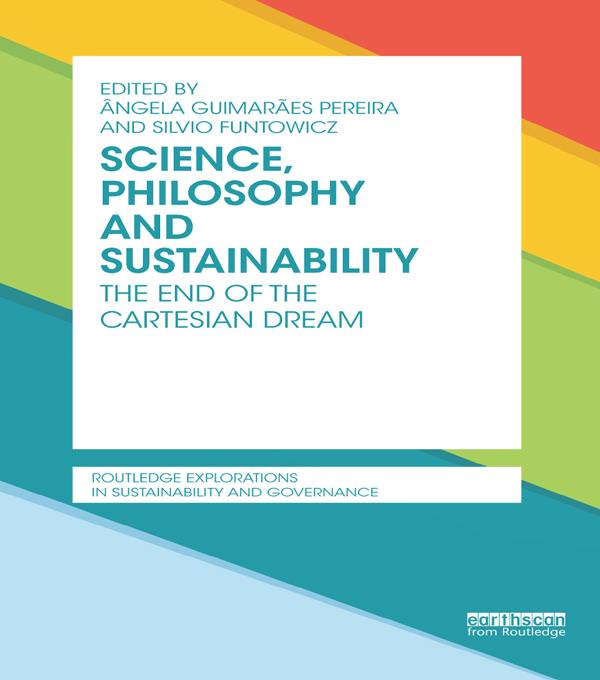
For science to remain a legitimate and trustworthy source of knowledge, society will have to engage in the collective processes of knowledge co-production, which not only includes science, but also other types of knowledge. This process of change has to include a new commitment to knowledge creation and transmission and its role in a plural society.
This book proposes to consider new ways in which science can be used to sustain our planet and enrich our lives. It helps to release and reactivate social responsibility within contemporary science and technology. It reviews critically relevant cases of contemporary scientific practice within the Cartesian paradigm, relabelled as 'innovation research', promoted as essential for the progress and well-being of humanity, and characterised by high capital investment, centralised control of funding and quality, exclusive expertise, and a reductionism that is philosophical as well as methodological.
This is an accessible and relevant book for scholars in Science and Technology Studies, History and Philosophy of Science, and Science, Engineering and Technology Ethics. Providing an array of concrete examples, it supports scientists, engineers and technical experts, as well as policy-makers and other non-technical professionals working with science and technology to re-direct their approach to global problems, in a more integrative, self-reflective and humble direction.
Płać wygodnie kartą, Klarną, Apple Pay lub Google Pay. Nie jesteś zadowolony? Zawsze masz 14-dniową gwarancję zwrotu pieniędzy. Więcej przeczytasz w naszych warunkach. Masz pytania? Napisz do nas na hello@memmo.org.
Memmo ułatwia naukę – gdziekolwiek jesteś na świecie. U nas znajdziesz podręczniki i sprytne narzędzia do nauki w jednym miejscu: streszczenia, quizy, podcasty i fiszki. A do tego Ted, Twój kumpel do nauki, który odpowie na wszystko, co Cię nurtuje. Ponad 50 000 studentów już tu się uczy – stworzone, byś uczył się szybciej i mniej stresował.