
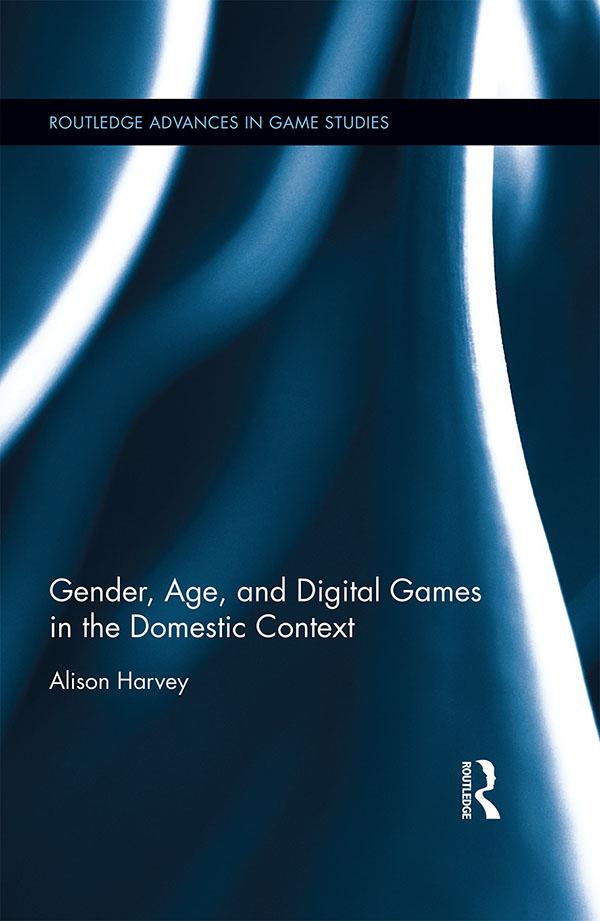
Western digital game play has shifted in important ways over the last decade, with a plethora of personal devices affording a range of increasingly diverse play experiences. Despite the celebration of a more inclusive environment of digital game play, very little grounded research has been devoted to the examination of familial play and the domestication of digital games, as opposed to evolving public and educational contexts. This book is the first study to provide a situated investigation of the site of family play— the shared spaces and private places of gameplay within the domestic sphere. It carries out an empirically grounded and critical analysis of what marketing and sales discourses about shifts in the digital games audience actually look like in the space of the home, as well as the social and cultural role these ludic technologies take in the everyday practices of the family in the domestic context. It examines the material realities of video game technologies in the home; including time management and spatial organization, as well as the discursive role these devices play in discussions of technological competence and its complex relationship to age, generational differences, and gender performance. Harvey’s interdisciplinary approach and innovative methodology will hold great critical appeal for those studying digital culture, children’s media, and feminist studies of new media, as well as critical theories of technology and leisure and sport theory.
Płać wygodnie kartą, Klarną, Apple Pay lub Google Pay. Nie jesteś zadowolony? Zawsze masz 14-dniową gwarancję zwrotu pieniędzy. Więcej przeczytasz w naszych warunkach. Masz pytania? Napisz do nas na hello@memmo.org.
Memmo ułatwia naukę – gdziekolwiek jesteś na świecie. U nas znajdziesz podręczniki i sprytne narzędzia do nauki w jednym miejscu: streszczenia, quizy, podcasty i fiszki. A do tego Ted, Twój kumpel do nauki, który odpowie na wszystko, co Cię nurtuje. Ponad 50 000 studentów już tu się uczy – stworzone, byś uczył się szybciej i mniej stresował.