
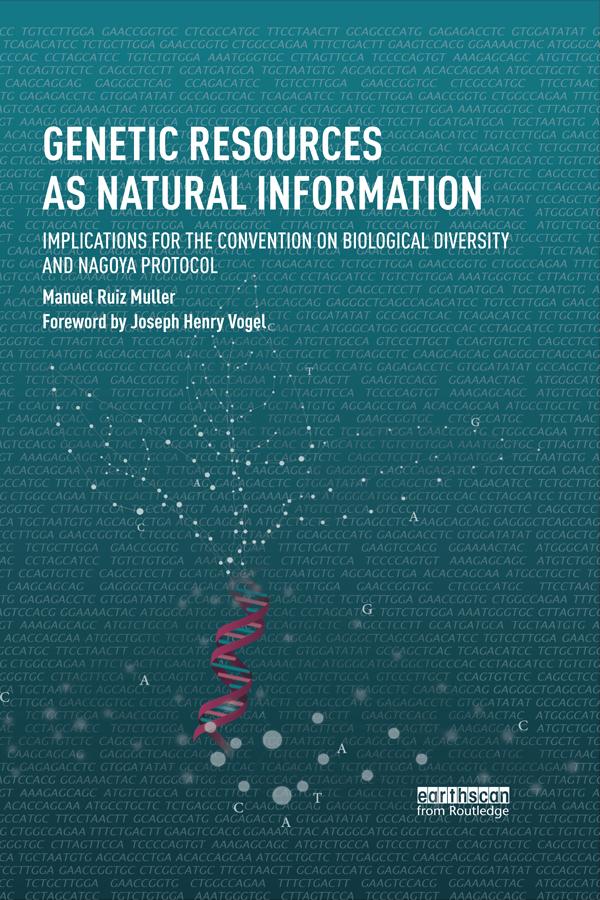
Demonstrating the shortcomings of current policy and legal approaches to access and benefit-sharing (ABS) in the Convention on Biological Diversity (CBD), this book recognizes that genetic resources are widely distributed across countries and that bilateral contracts undermine fairness and equity. The book offers a practical and feasible regulatory alternative to ensure the goal of fairness and equity is effectively and efficiently met.
Through a legal analysis that also incorporates historic, economic and sociological perspectives, the book argues that genetic resources are not tangible resources but information. It shows that the existing preference for bilateralism and contracts reflects resistance on the part of many of the stakeholders involved in the CBD process to recognize them as such. ABS issues respond very well to the economics of information, yet as the author explains, these have been either sidelined or overlooked.
At a time when the Nagoya Protocol on ABS has renewed interest in feasible policy options, the author provides a constructive and provocative critique. The institutional, policy and regulatory framework constitute "bounded openness" under which fairness and equity emerge.
Płać wygodnie kartą, Klarną, Apple Pay lub Google Pay. Nie jesteś zadowolony? Zawsze masz 14-dniową gwarancję zwrotu pieniędzy. Więcej przeczytasz w naszych warunkach. Masz pytania? Napisz do nas na hello@memmo.org.
Memmo ułatwia naukę – gdziekolwiek jesteś na świecie. U nas znajdziesz podręczniki i sprytne narzędzia do nauki w jednym miejscu: streszczenia, quizy, podcasty i fiszki. A do tego Ted, Twój kumpel do nauki, który odpowie na wszystko, co Cię nurtuje. Ponad 50 000 studentów już tu się uczy – stworzone, byś uczył się szybciej i mniej stresował.