
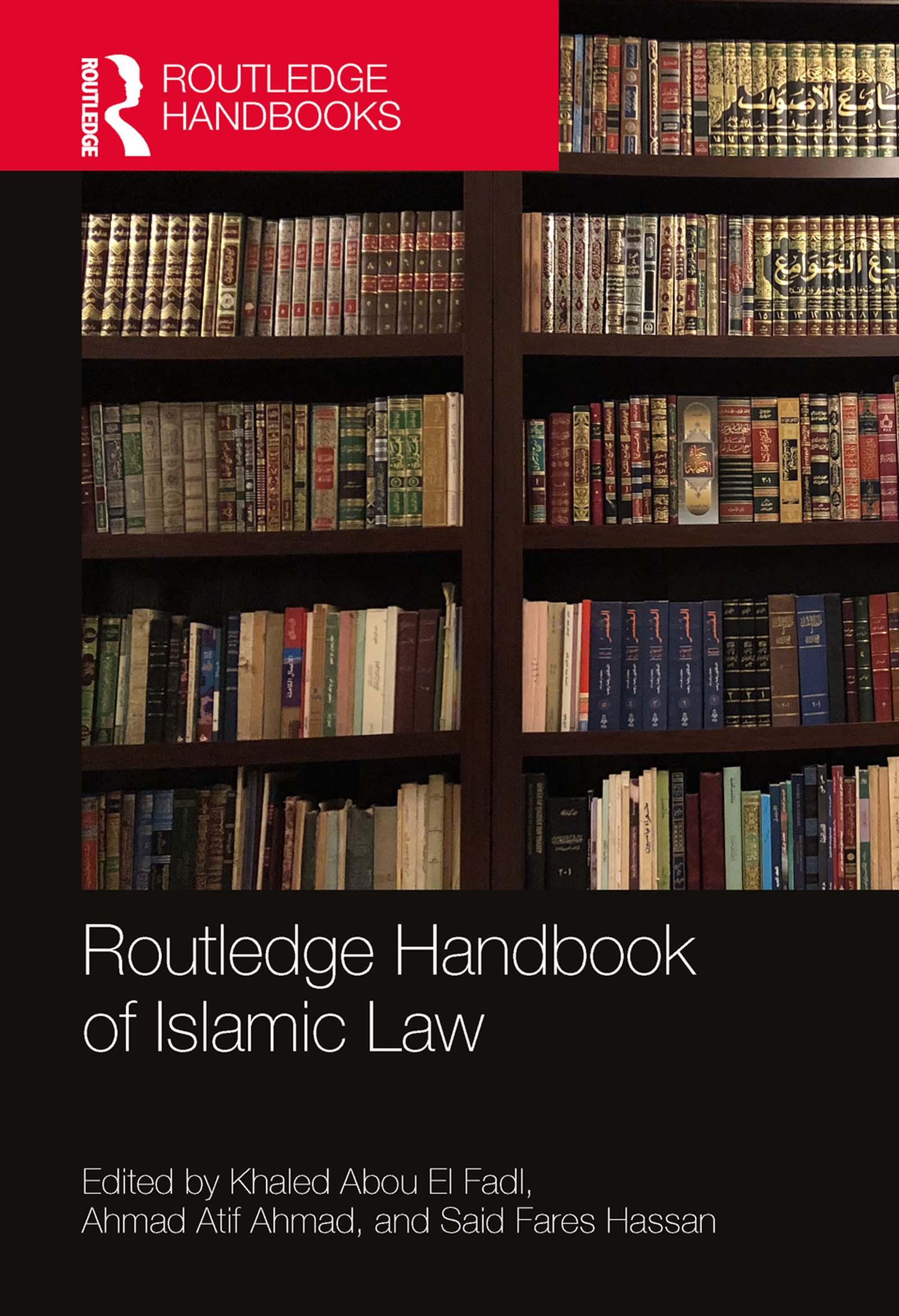
This handbook is a detailed reference source comprising original articles covering the origins, history, theory and practice of Islamic law. The handbook starts out by dealing with the question of what type of law is Islamic law and includes a critical analysis of the pedagogical approaches to studying and analysing Islamic law as a discipline. The handbook covers a broad range of issues, including the role of ethics in Islamic jurisprudence, the mechanics and processes of interpretation, the purposes and objectives of Islamic law, constitutional law and secularism, gender, bioethics, Muslim minorities in the West, jihad and terrorism.
Previous publications on this topic have approached Islamic law from a variety of disciplinary and pedagogical perspectives. One of the original features of this handbook is that it treats Islamic law as a legal discipline by taking into account the historical functions and processes of legal cultures and the patterns of legal thought.
With contributions from a selection of highly regarded and leading scholars in this field, the Routledge Handbook of Islamic Law is an essential resource for students and scholars who are interested in the field of Islamic Law.
Płać wygodnie kartą, Klarną, Apple Pay lub Google Pay. Nie jesteś zadowolony? Zawsze masz 14-dniową gwarancję zwrotu pieniędzy. Więcej przeczytasz w naszych warunkach. Masz pytania? Napisz do nas na hello@memmo.org.
Memmo ułatwia naukę – gdziekolwiek jesteś na świecie. U nas znajdziesz podręczniki i sprytne narzędzia do nauki w jednym miejscu: streszczenia, quizy, podcasty i fiszki. A do tego Ted, Twój kumpel do nauki, który odpowie na wszystko, co Cię nurtuje. Ponad 50 000 studentów już tu się uczy – stworzone, byś uczył się szybciej i mniej stresował.