
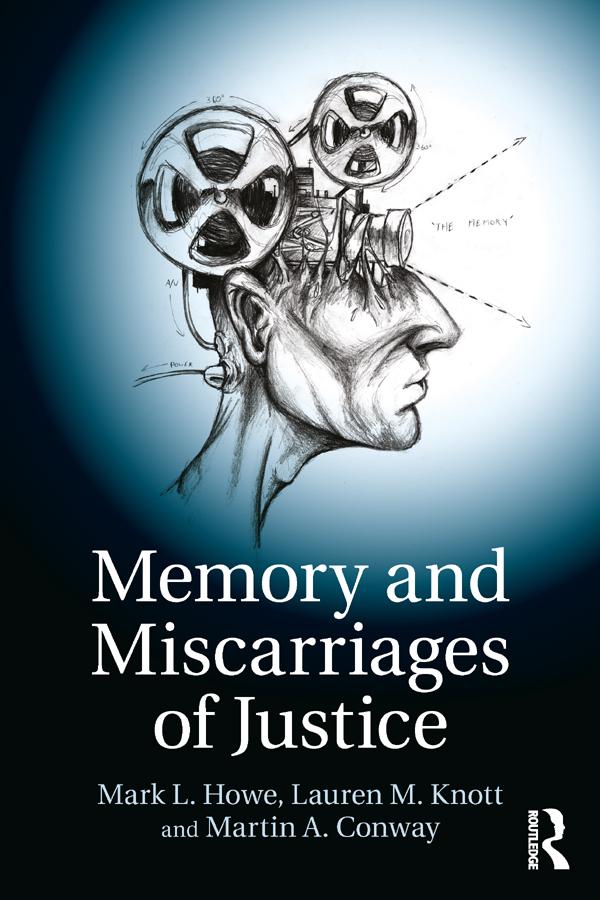
Memory is often the primary evidence in the courtroom, yet unfortunately this evidence may not be fit for purpose. This is because memory is both fallible and malleable; it is possible to forget and also to falsely remember things which never happened.
The legal system has been slow to adapt to scientific findings about memory even though such findings have implications for the use of memory as evidence, not only in the case of eyewitness testimony, but also for how jurors, barristers, and judges weigh evidence. Memory and Miscarriages of Justice provides an authoritative look at the role of memory in law and highlights the common misunderstandings surrounding it while bringing the modern scientific understanding of memory to the forefront.
Drawing on the latest research, this book examines cases where memory has played a role in miscarriages of justice and makes recommendations from the science of memory to support the future of memory evidence in the legal system. Appealing to undergraduate and postgraduate students of psychology and law, memory experts, and legal professionals, this book provides an insightful and global view of the use of memory within the legal system.
Płać wygodnie kartą, Klarną, Apple Pay lub Google Pay. Nie jesteś zadowolony? Zawsze masz 14-dniową gwarancję zwrotu pieniędzy. Więcej przeczytasz w naszych warunkach. Masz pytania? Napisz do nas na hello@memmo.org.
Memmo ułatwia naukę – gdziekolwiek jesteś na świecie. U nas znajdziesz podręczniki i sprytne narzędzia do nauki w jednym miejscu: streszczenia, quizy, podcasty i fiszki. A do tego Ted, Twój kumpel do nauki, który odpowie na wszystko, co Cię nurtuje. Ponad 50 000 studentów już tu się uczy – stworzone, byś uczył się szybciej i mniej stresował.