
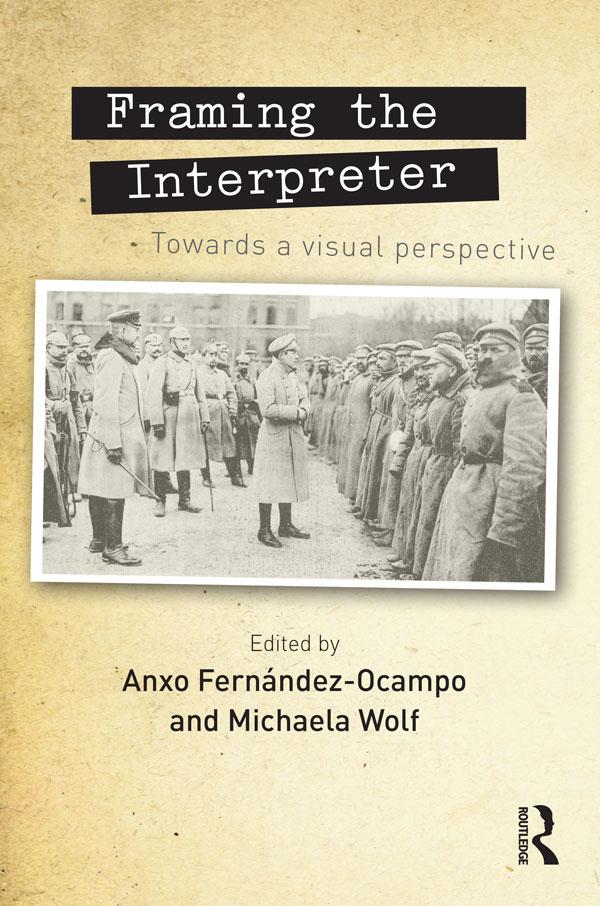
Situations of conflict offer special insights into the history of the interpreter figure, and specifically the part played in that history by photographic representations of interpreters.
This book analyses photo postcards, snapshots and press photos from several historical periods of conflict, associated with different photographic technologies and habits of image consumption: the colonial period, the First and Second World War, and the Cold War. The book’s methodological approach to the "framing" of the interpreter uses tools taken primarily from visual anthropology, sociology and visual syntax to analyse the imagery of the modern era of interpreting. By means of these interpretative frames, the contributions suggest that each culture, subculture or social group constructed its own representation of the interpreter figure through photography.
The volume breaks new ground for image-based research in translation studies by examining photographic representations that reveal the interpreter as a socially constructed category. It locates the interpreter’s mediating efforts at the core of the human sciences.
This book will be of interest to researchers and advanced students in translation and interpreting studies, as well as to those working in visual studies, photography, anthropology and military/conflict studies.
Płać wygodnie kartą, Klarną, Apple Pay lub Google Pay. Nie jesteś zadowolony? Zawsze masz 14-dniową gwarancję zwrotu pieniędzy. Więcej przeczytasz w naszych warunkach. Masz pytania? Napisz do nas na hello@memmo.org.
Memmo ułatwia naukę – gdziekolwiek jesteś na świecie. U nas znajdziesz podręczniki i sprytne narzędzia do nauki w jednym miejscu: streszczenia, quizy, podcasty i fiszki. A do tego Ted, Twój kumpel do nauki, który odpowie na wszystko, co Cię nurtuje. Ponad 50 000 studentów już tu się uczy – stworzone, byś uczył się szybciej i mniej stresował.