
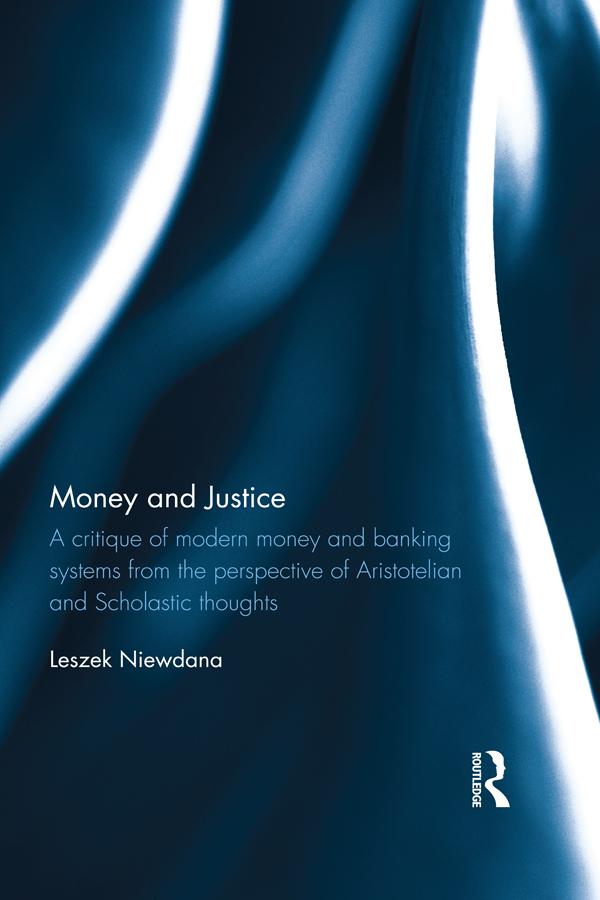
Money has always represented power. For Aristotle, this power was inseparable from the exercise of justice within a community. This is why issuance of money was the prerogative of the lawful authority (government). Such a view of monetary power was widespread, and includes societies as distant as China. Over the past several centuries, however, private interests increasingly tapped into the exercise of the money power. Through gradual shifts, commercial banks have gained a legally protected right to create money through issuance of debts. The aim of this book is to unravel various layers hiding the real workings of modern money and banking systems and injustices ingrained in them.
By asking what money really is, who controls it and for what purpose (why), the book provides insight into understanding of modern money and banking systems, as well as the causes of growing financialization of economies throughout the world, money manias and economic instability. The book also increases the awareness of injustices hidden in the workings of modern money and banking systems and the need for moral underpinnings of such systems. Finally, it suggests a money system which could immensely improve human, economic, and ecological conditions.
Płać wygodnie kartą, Klarną, Apple Pay lub Google Pay. Nie jesteś zadowolony? Zawsze masz 14-dniową gwarancję zwrotu pieniędzy. Więcej przeczytasz w naszych warunkach. Masz pytania? Napisz do nas na hello@memmo.org.
Memmo ułatwia naukę – gdziekolwiek jesteś na świecie. U nas znajdziesz podręczniki i sprytne narzędzia do nauki w jednym miejscu: streszczenia, quizy, podcasty i fiszki. A do tego Ted, Twój kumpel do nauki, który odpowie na wszystko, co Cię nurtuje. Ponad 50 000 studentów już tu się uczy – stworzone, byś uczył się szybciej i mniej stresował.