
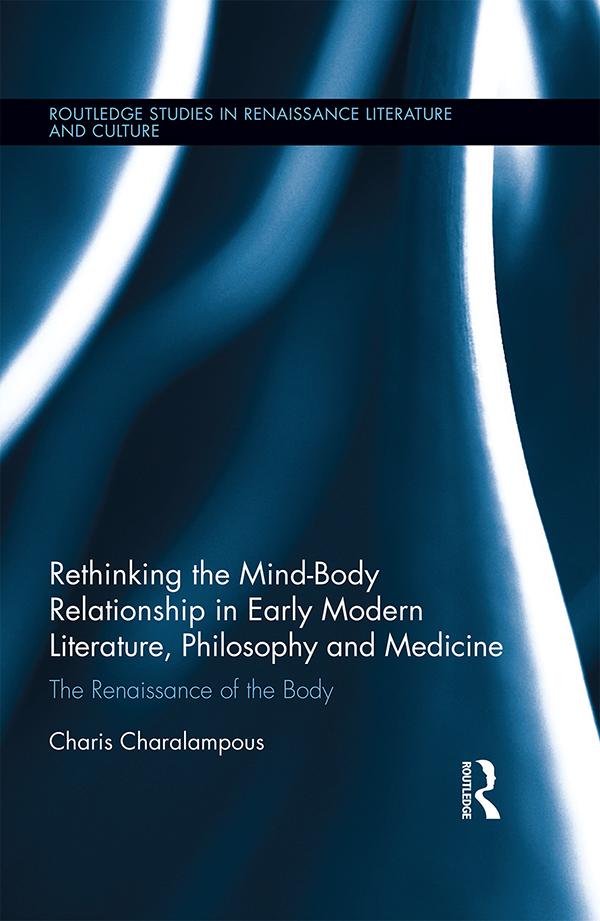
This book explores a neglected feature of intellectual history and literature in the early modern period: the ways in which the body was theorized and represented as an intelligent cognitive agent, with desires, appetites, and understandings independent of the mind. It considers the works of early modern physicians, thinkers, and literary writers who explored the phenomenon of the independent and intelligent body. Charalampous rethinks the origin of dualism that is commonly associated with Descartes, uncovering hitherto unknown lines of reception regarding a form of dualism that understands the body as capable of performing complicated forms of cognition independently of the mind. The study examines the consequences of this way of thinking about the body for contemporary philosophy, theology, and medicine, opening up new vistas of thought against which to reassess perceptions of what literature can be thought and felt to do. Sifting and assessing this evidence sheds new light on a range of historical and literary issues relating to the treatment, perception, and representation of the human body. This book examines the notion of the thinking body across a wide range of genres, topics, and authors, including Montaigne’s Essays, Spenser’s allegorical poetry, Donne’s metaphysical poetry, tragic dramaturgy, Shakespeare, and Milton’s epic poetry and shorter poems. It will be essential for those studying early modern literature, cognition, and the body.
Płać wygodnie kartą, Klarną, Apple Pay lub Google Pay. Nie jesteś zadowolony? Zawsze masz 14-dniową gwarancję zwrotu pieniędzy. Więcej przeczytasz w naszych warunkach. Masz pytania? Napisz do nas na hello@memmo.org.
Memmo ułatwia naukę – gdziekolwiek jesteś na świecie. U nas znajdziesz podręczniki i sprytne narzędzia do nauki w jednym miejscu: streszczenia, quizy, podcasty i fiszki. A do tego Ted, Twój kumpel do nauki, który odpowie na wszystko, co Cię nurtuje. Ponad 50 000 studentów już tu się uczy – stworzone, byś uczył się szybciej i mniej stresował.