
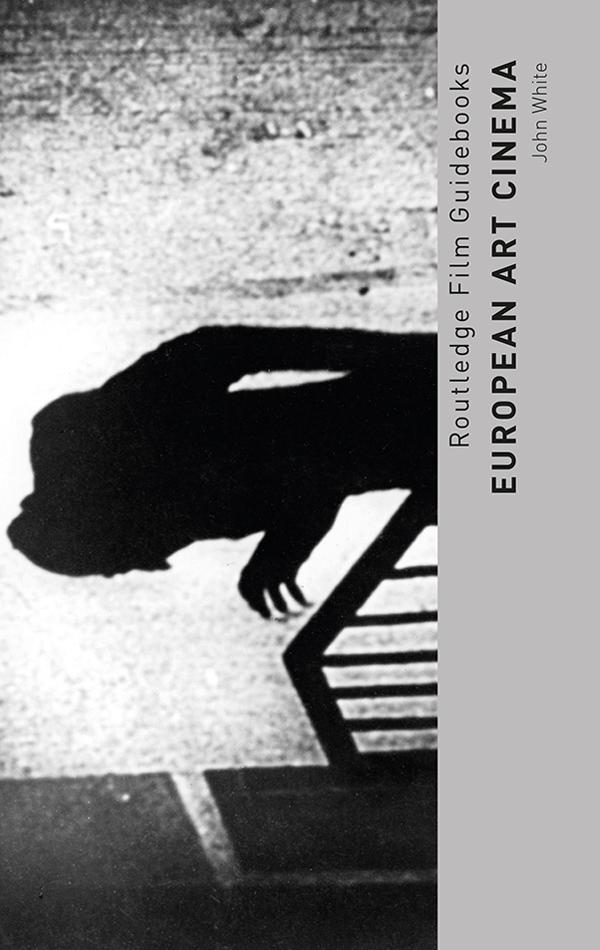
European art cinema includes some of the most famous films in cinema history. It is elite filmmaking that stands in direct opposition to popular cinema; and yet, it also has an intimate relationship with Hollywood.
This guidebook sketches successive phases of art cinema in Europe from its early beginnings of putting Shakespeare’s plays on the screen, through movements such as Expressionism and Surrealism, to the New Waves of the 1960s and more recent incarnations like Dogme 95. Using film examples, John White examines basic critical approaches to art cinema such as semiotics and auteur theory, as well as addressing recurring themes and ideas such as existentialism and Christian belief. The different levels of political commitment and social criticism, which appear in many of these films, are also discussed.
The book includes case studies of eight representative films:
• The Cabinet of Dr Caligari (Wiene, 1920)
• Earth (Dovzhenko, 1930)
• A Man Escaped (Bresson, 1956)
• Hiroshima mon amour (Resnais, 1959)
• Aguirre, Wrath of God (Herzog, 1972)
• Comrades (Douglas, 1986)
• Le Quattro Volte (Frammartino, 2010)
• Silence (Collins, 2012).
Płać wygodnie kartą, Klarną, Apple Pay lub Google Pay. Nie jesteś zadowolony? Zawsze masz 14-dniową gwarancję zwrotu pieniędzy. Więcej przeczytasz w naszych warunkach. Masz pytania? Napisz do nas na hello@memmo.org.
Memmo ułatwia naukę – gdziekolwiek jesteś na świecie. U nas znajdziesz podręczniki i sprytne narzędzia do nauki w jednym miejscu: streszczenia, quizy, podcasty i fiszki. A do tego Ted, Twój kumpel do nauki, który odpowie na wszystko, co Cię nurtuje. Ponad 50 000 studentów już tu się uczy – stworzone, byś uczył się szybciej i mniej stresował.