
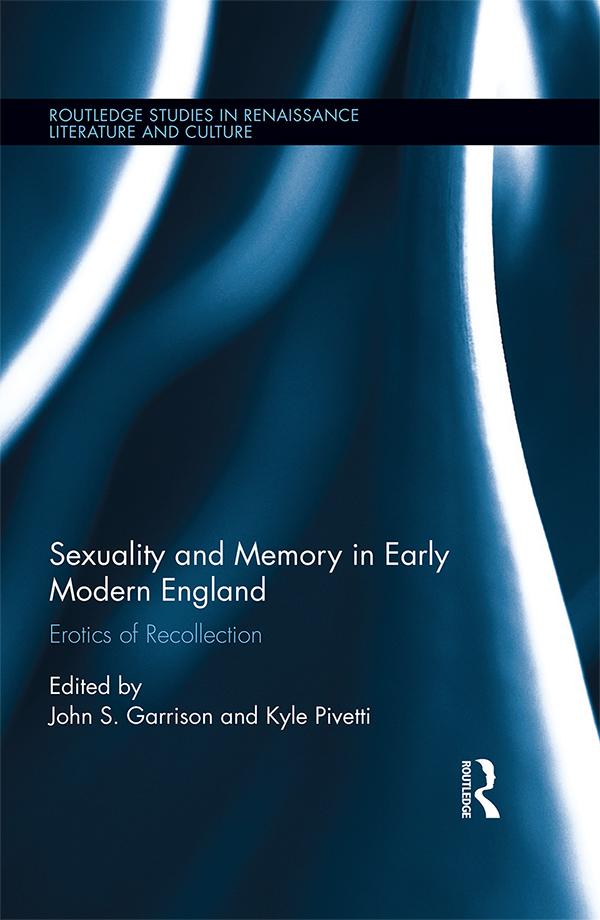
This volume brings together two vibrant areas of Renaissance studies today: memory and sexuality. The contributors show that not only Shakespeare but also a broad range of his contemporaries were deeply interested in how memory and sexuality interact. Are erotic experiences heightened or deflated by the presence of memory? Can a sexual act be commemorative? Can an act of memory be eroticized? How do forms of romantic desire underwrite forms of memory? To answer such questions, these authors examine drama, poetry, and prose from both major authors and lesser-studied figures in the canon of Renaissance literature. Alongside a number of insightful readings, they show that sonnets enact a sexual exchange of memory; that epics of nationhood cannot help but eroticize their subjects; that the act of sex in Renaissance tragedy too often depends upon violence of the past. Memory, these scholars propose, re-shapes the concerns of queer and sexuality studies – including the unhistorical, the experience of desire, and the limits of the body. So too does the erotic revise the dominant trends of memory studies, from the rhetoric of the medieval memory arts to the formation of collective pasts.
Płać wygodnie kartą, Klarną, Apple Pay lub Google Pay. Nie jesteś zadowolony? Zawsze masz 14-dniową gwarancję zwrotu pieniędzy. Więcej przeczytasz w naszych warunkach. Masz pytania? Napisz do nas na hello@memmo.org.
Memmo ułatwia naukę – gdziekolwiek jesteś na świecie. U nas znajdziesz podręczniki i sprytne narzędzia do nauki w jednym miejscu: streszczenia, quizy, podcasty i fiszki. A do tego Ted, Twój kumpel do nauki, który odpowie na wszystko, co Cię nurtuje. Ponad 50 000 studentów już tu się uczy – stworzone, byś uczył się szybciej i mniej stresował.