
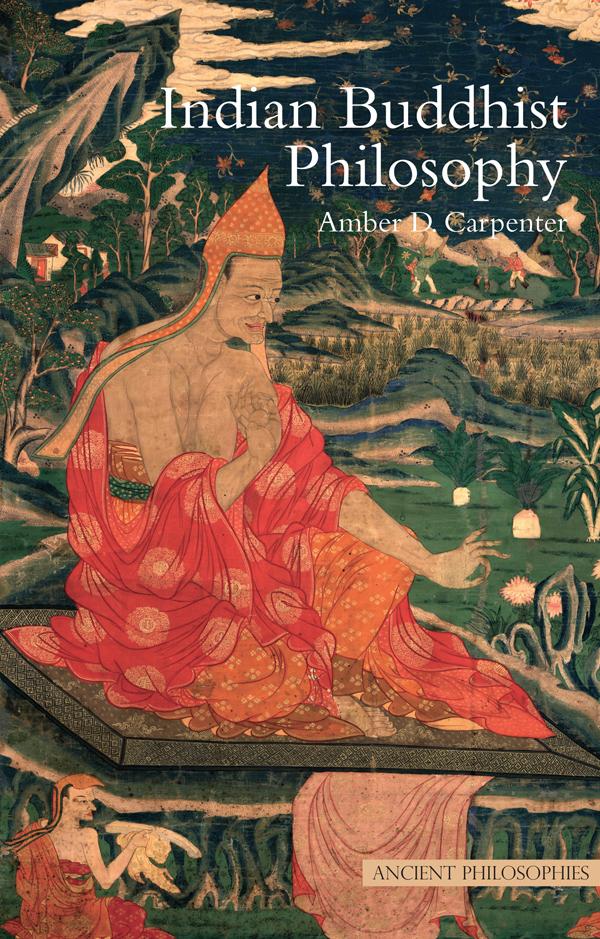
Organised in broadly chronological terms, this book presents the philosophical arguments of the great Indian Buddhist philosophers of the fifth century BCE to the eighth century CE. Each chapter examines their core ethical, metaphysical and epistemological views as well as the distinctive area of Buddhist ethics that we call today moral psychology. Throughout, this book follows three key themes that both tie the tradition together and are the focus for most critical dialogue: the idea of anatman or no-self, the appearance/reality distinction and the moral aim, or ideal. Indian Buddhist philosophy is shown to be a remarkably rich tradition that deserves much wider engagement from European philosophy. Carpenter shows that while we should recognise the differences and distances between Indian and European philosophy, its driving questions and key conceptions, we must resist the temptation to find in Indian Buddhist philosophy, some Other, something foreign, self-contained and quite detached from anything familiar. Indian Buddhism is shown to be a way of looking at the world that shares many of the features of European philosophy and considers themes central to philosophy understood in the European tradition.
Płać wygodnie kartą, Klarną, Apple Pay lub Google Pay. Nie jesteś zadowolony? Zawsze masz 14-dniową gwarancję zwrotu pieniędzy. Więcej przeczytasz w naszych warunkach. Masz pytania? Napisz do nas na hello@memmo.org.
Memmo ułatwia naukę – gdziekolwiek jesteś na świecie. U nas znajdziesz podręczniki i sprytne narzędzia do nauki w jednym miejscu: streszczenia, quizy, podcasty i fiszki. A do tego Ted, Twój kumpel do nauki, który odpowie na wszystko, co Cię nurtuje. Ponad 50 000 studentów już tu się uczy – stworzone, byś uczył się szybciej i mniej stresował.
Może Ci się spodobać
Kup książkę0