
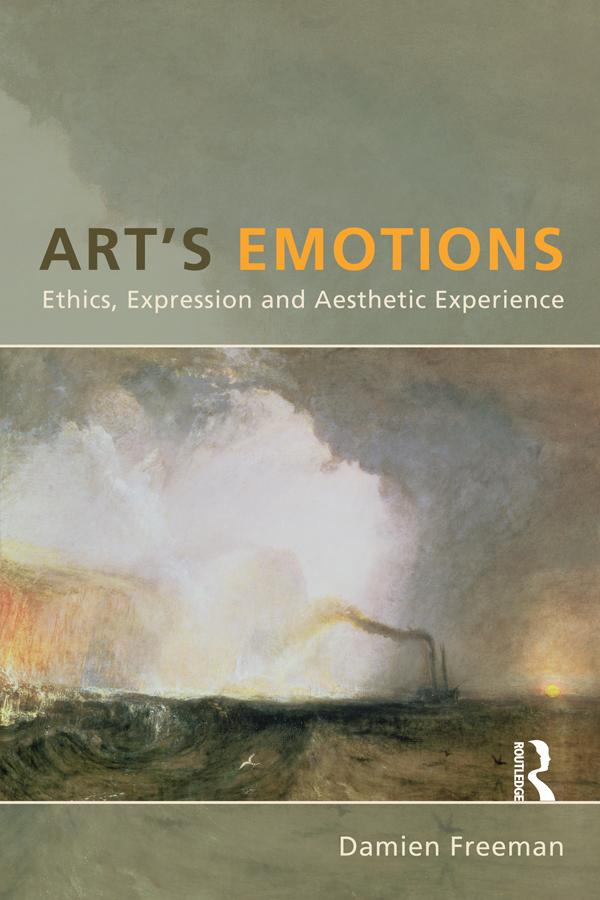
Despite the very obvious differences between looking at Manet’s Woman with a Parrot and listening to Elgar’s Cello Concerto, both experiences provoke similar questions in the thoughtful aesthete: why does the painting seem to express reverie and the music, nostalgia? How do we experience the reverie and nostalgia in such works of art? Why do we find these experiences rewarding in similar ways? As our awareness of emotion in art, and our engagement with art’s emotions, can make such a special contribution to our life, it is timely for a philosopher to seek to account for the nature and significance of the experience of art’s emotions.
Damien Freeman develops a new theory of emotion that is suitable for resolving key questions in aesthetics. He then reviews and evaluates three existing approaches to artistic expression, and proposes a new approach to the emotional experience of art that draws on the strengths of the existing approaches. Finally, he seeks to establish the ethical significance of this emotional experience of art for human flourishing. Freeman challenges the reader not only to consider how art engages with emotion, but how we should connect up our answers to questions concerning the nature and value of the experiences offered by works of art.
Płać wygodnie kartą, Klarną, Apple Pay lub Google Pay. Nie jesteś zadowolony? Zawsze masz 14-dniową gwarancję zwrotu pieniędzy. Więcej przeczytasz w naszych warunkach. Masz pytania? Napisz do nas na hello@memmo.org.
Memmo ułatwia naukę – gdziekolwiek jesteś na świecie. U nas znajdziesz podręczniki i sprytne narzędzia do nauki w jednym miejscu: streszczenia, quizy, podcasty i fiszki. A do tego Ted, Twój kumpel do nauki, który odpowie na wszystko, co Cię nurtuje. Ponad 50 000 studentów już tu się uczy – stworzone, byś uczył się szybciej i mniej stresował.