
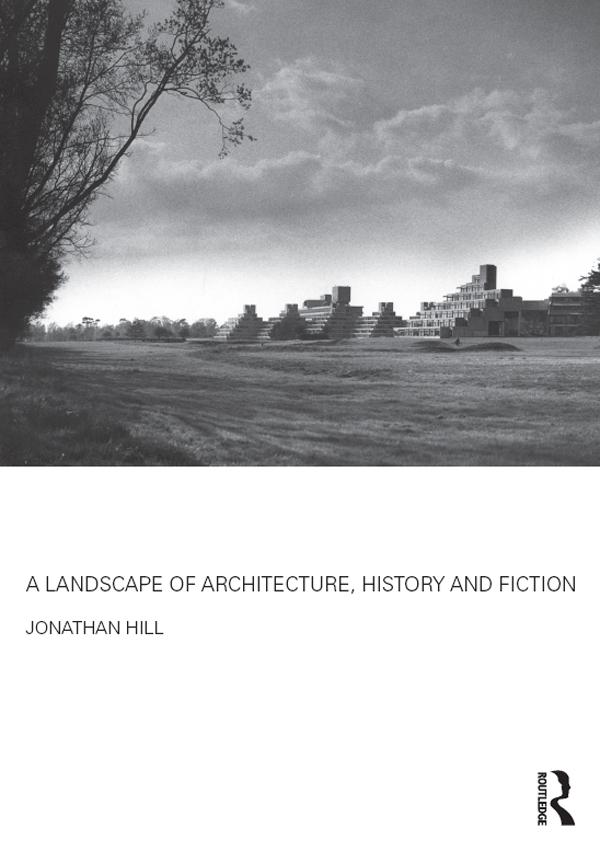
Architecture can be analogous to a history, a fiction, and a landscape. We expect a history or a novel to be written in words, but they can also be cast in concrete or seeded in soil. The catalyst to this tradition was the simultaneous and interdependent emergence in the eighteenth century of new art forms: the picturesque landscape, the analytical history, and the English novel. Each of them instigated a creative and questioning response to empiricism’s detailed investigation of subjective experience and the natural world, and together they stimulated a design practice and lyrical environmentalism that profoundly influenced subsequent centuries.
Associating the changing natural world with journeys in self-understanding, and the design process with a visual and spatial autobiography, this book describes journeys between London and the North Sea in successive centuries, analysing an enduring and evolving tradition from the picturesque and romanticism to modernism. Creative architects have often looked to the past to understand the present and imagine the future. Twenty-first-century architects need to appreciate the shock of the old as well as the shock of the new.
Płać wygodnie kartą, Klarną, Apple Pay lub Google Pay. Nie jesteś zadowolony? Zawsze masz 14-dniową gwarancję zwrotu pieniędzy. Więcej przeczytasz w naszych warunkach. Masz pytania? Napisz do nas na hello@memmo.org.
Memmo ułatwia naukę – gdziekolwiek jesteś na świecie. U nas znajdziesz podręczniki i sprytne narzędzia do nauki w jednym miejscu: streszczenia, quizy, podcasty i fiszki. A do tego Ted, Twój kumpel do nauki, który odpowie na wszystko, co Cię nurtuje. Ponad 50 000 studentów już tu się uczy – stworzone, byś uczył się szybciej i mniej stresował.